Your digging level
Description
Funk gospel is a style of gospel music that blends the sacred, message-driven focus of church traditions with the rhythmic intensity and groove-based feel of funk.
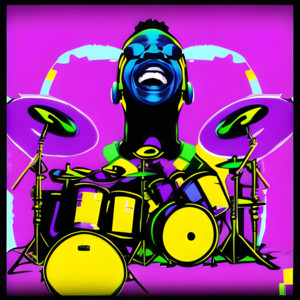
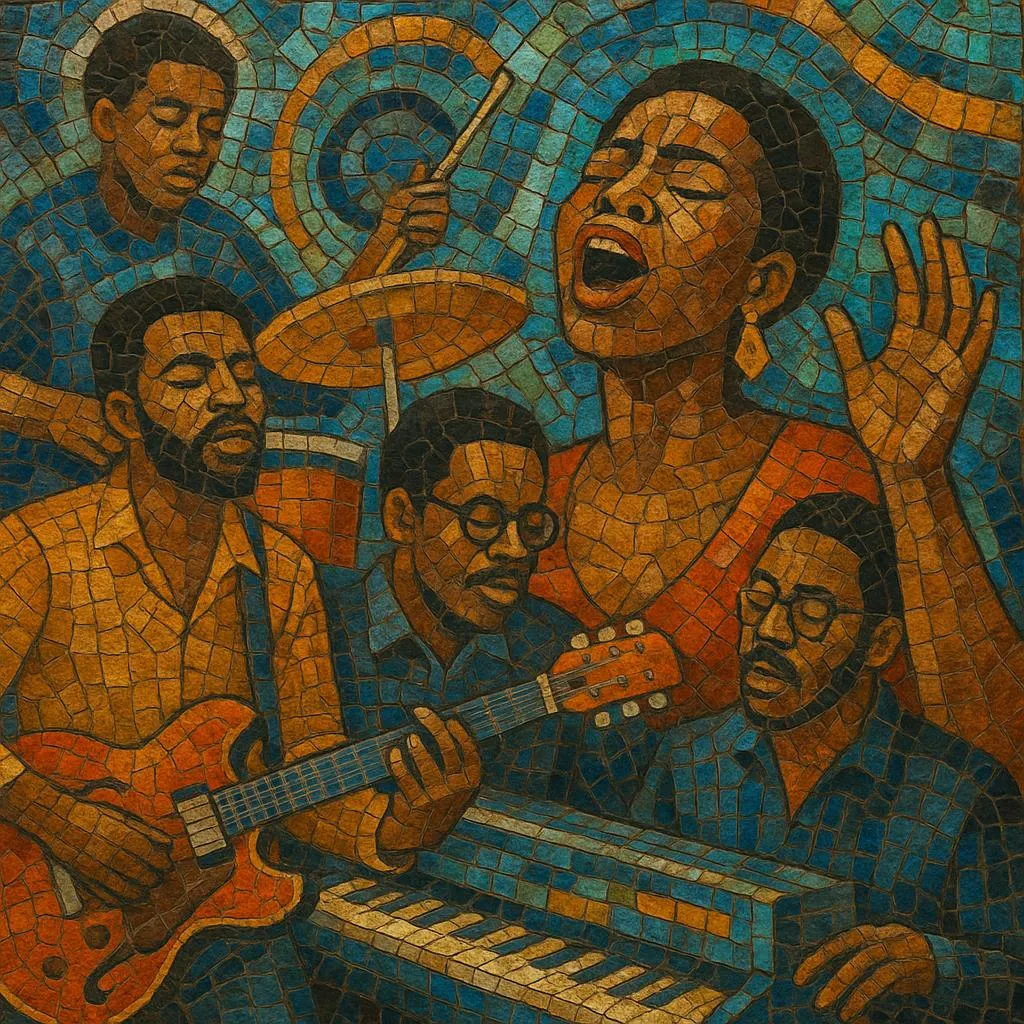
It features syncopated bass lines, tight drum patterns, prominent electric keyboards or organ, punchy horn-style riffs (often played by brass or keyboards), and highly expressive lead vocals backed by call-and-response choirs.
Lyrically, it typically centers on praise, testimony, perseverance, and faith, delivered with the energetic “pocket” and danceability associated with funk and classic soul.
History
Gospel music in the United States has long absorbed contemporary popular styles, and as funk developed in the late 1960s, many church musicians began adopting funk’s syncopation, bass-forward grooves, and rhythmic guitar/keyboard patterns.
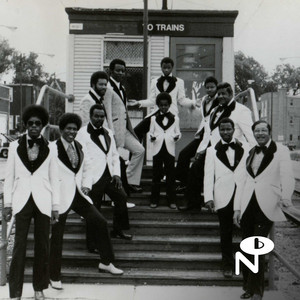
In the 1970s and 1980s, funk gospel grew alongside contemporary gospel and gospel-soul approaches, especially in urban church contexts where bands (drums, bass, keys, guitar) became more common. The influence of funk and soul on arrangements and live performance energy became increasingly pronounced.
From the 1990s onward, funk gospel continued to shape contemporary gospel band language, including “praise break” moments and high-energy vamp sections. Even when productions shifted toward R&B, hip hop, or electronic textures, funk-derived rhythmic discipline (the pocket), syncopated bass work, and call-and-response structures remained foundational in many gospel settings.