Your digging level

For this genre
0/8
🏆
Sign in, then listen to this genre to level up

Description

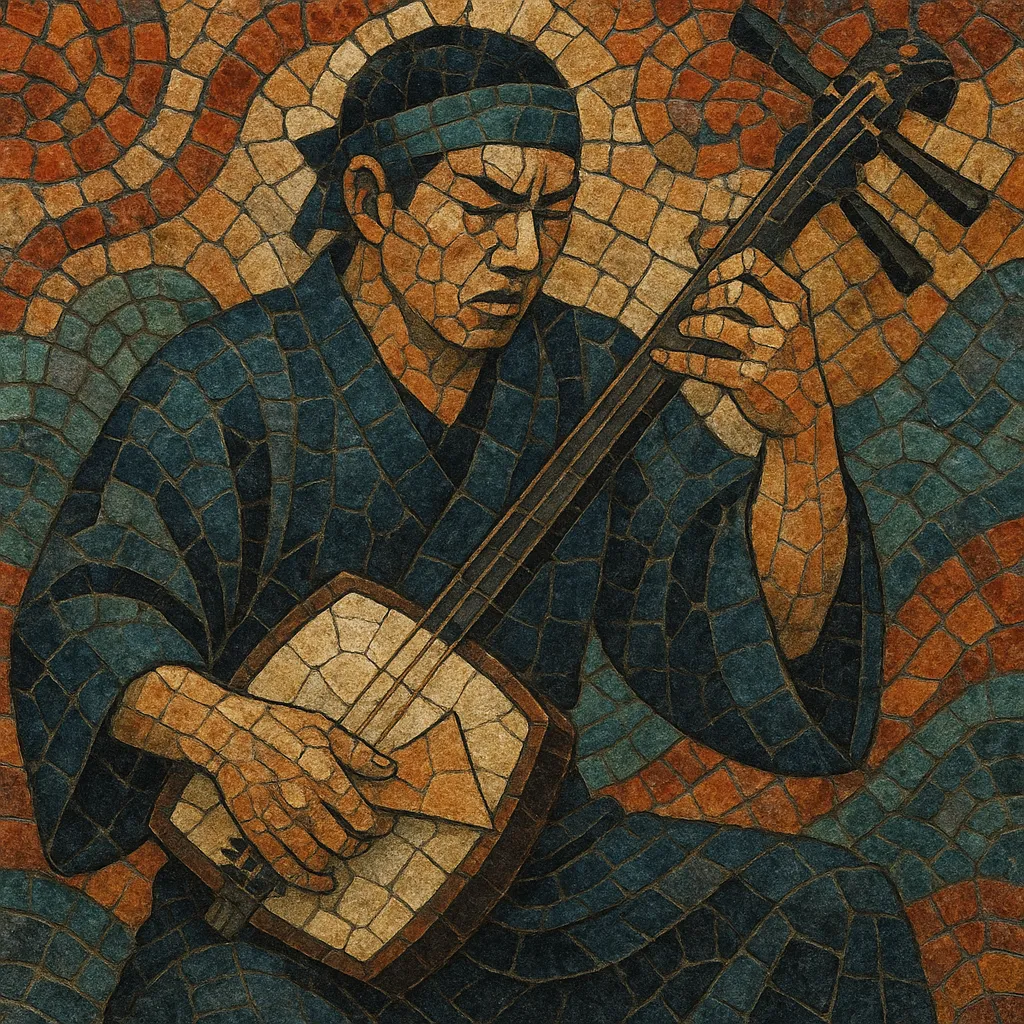
A virtuosic regional shamisen style from the Tsugaru area of Aomori, Japan, tsugaru-jamisen is known for its driving rhythms, percussive bachi (plectrum) strikes, and improvisatory development over folk-song (min'yō) melodic cells.

Players typically use a futozao (thick-neck) shamisen with a large bachi, exploiting the instrument’s sawari (sympathetic buzz) and powerful downstrokes to create both pitch and percussion. Core repertoire pieces such as Tsugaru Jongara-bushi, Tsugaru Yosare-bushi, and Tsugaru Aiya-bushi are treated as frameworks for variation, with free-rhythm introductions blossoming into fast, dance-like sections.

The style balances raw intensity and lyricism, combining rapid tremolo, slides, pull-offs, and offbeat accents with the Japanese jo–ha–kyū sense of pacing. It is performed solo, in duo call-and-response with singers and flutes, or in ensembles, and today appears in concert halls, festivals, competitions, and cross-genre collaborations.


Sources: Spotify, Wikipedia, Discogs, Rate Your Music, MusicBrainz, and other online sources

History

Origins (late 19th to early 20th century)

Tsugaru-jamisen emerged in the Tsugaru region of Aomori among itinerant blind musicians (often called bosama) who adapted shamisen accompaniment for local min'yō. Figures like Akimoto Nitarō (known as Nitabō) helped shape an energetic, percussive idiom that emphasized rhythmic drive, open-string drones, and spontaneous variation.

Codification and early masters

In the early 20th century, performers such as Shirakawa Gunpachirō codified techniques and set a core repertoire (notably the many variants of Tsugaru Jongara-bushi). The music’s structure—often a free-rhythm prelude leading into a fast, dance-like section—crystallized, while the futozao shamisen, heavy bachi, and use of sawari formed a recognizable sound ideal.

Postwar popularization

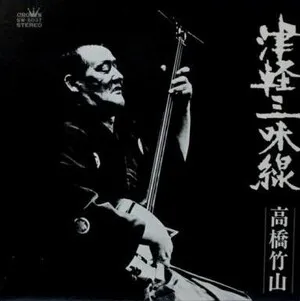
After World War II, Takahashi Chikuzan became a pivotal figure, touring widely and recording solo renditions that brought the style beyond its regional roots. The 1960s–70s Japanese folk and traditional-music revivals further expanded audiences, and regional festivals and competitions (notably in Hirosaki) nurtured new generations of players.

Contemporary era and crossovers

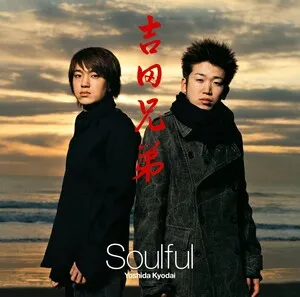
From the 1990s onward, artists such as the Yoshida Brothers, Agatsuma Hiromitsu, and Nitta Masahiro introduced tsugaru-jamisen to global audiences, blending it with rock, jazz, pop, and film/game scoring. Conservatories, competitions, and community ensembles maintain the tradition while encouraging innovation, ensuring the style remains both rooted in min'yō and open to modern collaboration.

How to make a track in this genre

Core instrument and setup
•   Use a futozao (thick-neck) shamisen with a large bachi. Embrace the sawari (buzz) by allowing the first string to lightly touch the instrument’s groove. •   Common tunings are honchōshi, niagari, and sansagari; choose based on singer range or tonal color. Keep open strings ringing to create drones and resonance.
Form and pacing
•   Model pieces on a jo–ha–kyū arc: begin with a free-rhythm introduction (jo), develop rhythmic density and melodic motifs (ha), then accelerate into a climactic, dance-like conclusion (kyū). •   Use standard frameworks (e.g., Tsugaru Jongara-bushi) as the basis for variation. Present the theme clearly, then spin variations with evolving textures and dynamics.
Techniques and articulation
•   Combine forceful downstrokes (tataki) with agile upstrokes (sukui). Interleave tremolo, slides (suri), hammer-ons and pull-offs (oshi/hajiki), left-hand taps (uchi), and percussive bachi hits on the skin for rhythmic punctuation. •   Accentuate offbeats and create syncopation; alternate between sparse, spacious phrasing and bursts of rapid notes.
Melody, rhythm, and harmony
•   Build melodic lines from Japanese pentatonic modes (yo and in). Use microtonal inflection, portamento, and ornaments to shape phrases. •   Rhythm often shifts from free rubato to a steady duple drive; interact with kakegoe (shouts) and, in ensembles, lock with taiko/shinobue patterns. •   Harmony is mostly implied: sustain open-string drones, double-stops, and octave figures for color rather than functional chord progressions.
Ensemble and arrangement
•   Solo is traditional, but duo or ensemble settings with voice (min'yō), shinobue/shakuhachi, and taiko are common. Use call-and-response and textural contrast to maintain momentum. •   For contemporary fusion, layer bass and drum kit under traditional patterns, leaving space for shamisen transients and dynamic swells.
Practice approach
•   Internalize core tunes (Jongara-bushi, Yosare-bushi, Aiya-bushi) and learn multiple regional variants. •   Focus on control of attack, decay, and resonance; practice dynamic extremes and tempo modulation to shape long-form arcs.

Top tracks

Locked
Share your favorite track to unlock other users’ top tracks
Influenced by
Has influenced
Challenges
Digger Battle
Let's see who can find the best track in this genre
© 2026 Melodigging
Melodding was created as a tribute to Every Noise at Once, which inspired us to help curious minds keep digging into music's ever-evolving genres.
Buy me a coffee for Melodigging