

Your digging level
Description
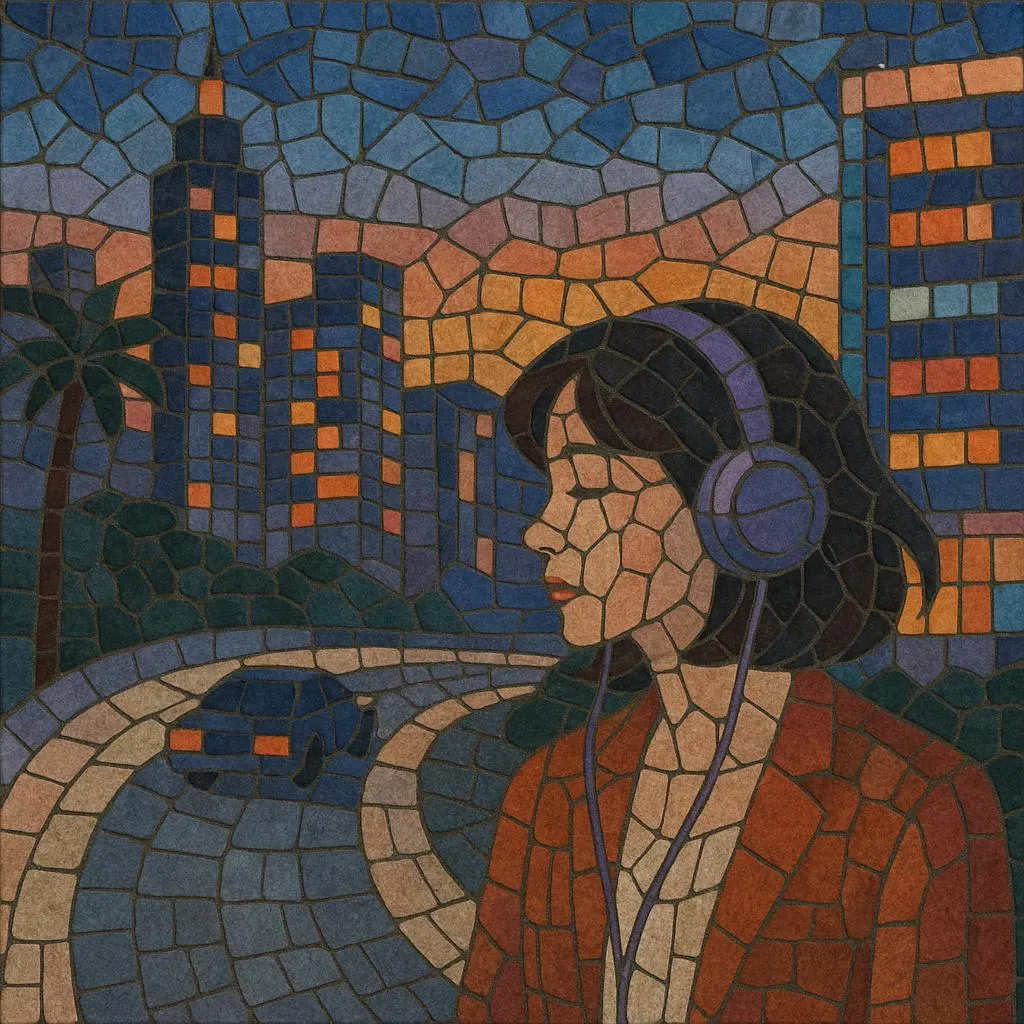
Classic city pop is a slick, urban strain of late-1970s and 1980s Japanese popular music that blended domestic kayōkyoku songwriting with contemporary Western studio styles like AOR, soft rock, boogie, funk, disco, and jazz fusion.
It is characterized by glossy production, sophisticated chord vocabulary (maj7, 9ths, sus and extended voicings), tight session musicianship, buoyant basslines, smooth electric pianos and synths (later including Yamaha DX7/LinnDrum-era textures), and radio-ready hooks. Lyrically, it evokes cosmopolitan lifestyles—night drives, seaside getaways, neon nightlife, office romance—projecting an aspirational, modern Japan aligned with the country’s bubble-era affluence.
While rooted in Japan’s pop lineage, classic city pop absorbed West Coast “yacht” polish and dancefloor rhythms, creating a breezy, urbane sound that later became a global cult favorite through internet rediscovery.


History
City pop emerged as a modern, urban evolution of kayōkyoku just as Japan’s economy accelerated. Young artists and producers, attuned to American AOR/soft rock, funk, disco, and jazz fusion, applied West Coast studio sheen to Japanese songwriting. Early work by sophisticated writer‑performers and top session bands established the sonic blueprint: airy vocals, complex yet accessible harmonies, and impeccably tight rhythm sections.
The genre flourished during Japan’s bubble economy. Advances in recording tech (multitrack studios, high-end consoles) and the arrival of digital synths and drum machines refined its sound. Radio (FM), car‑stereo culture, and a booming leisure industry (resorts, beach culture) amplified its imagery of driving, summer romance, and city nightlife. Albums from this decade codified the style’s crisp production, boogie/disco grooves, and jazzy chord vocabulary.
As musical tastes shifted toward new J‑pop, dance, and alternative movements, city pop receded from the mainstream. Many records went out of print, though dedicated fans and collectors preserved the catalog. Its studio craft and songwriting remained a touchstone for producers and crate diggers.
YouTube algorithms, reissue campaigns, and international crate culture revived city pop for a new generation. Producers in vaporwave and future funk sampled its hooks and textures, while “neo‑city pop” artists in Japan and abroad updated the palette with contemporary indie‑R&B and synthpop. The genre’s blend of nostalgia, sophistication, and danceability now resonates globally across DJ sets, streaming playlists, and modern retro‑pop scenes.


![How To Make JAPANESE CITY POP - [80s Production Tutorial]](https://i.ytimg.com/vi/EKbKCFuX9j4/hqdefault.jpg)

Best playlists


![70s-80s Japanese CITY POP (シティ・ポップ) Chill & Mellow Mix “WTMR BGM-69” [Playlist, AOR, Soul, DJ Mix]](https://i.ytimg.com/vi/_IXVNO5t2zQ/hqdefault.jpg)
