Your digging level
Description
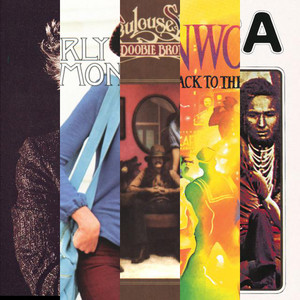
Mellow gold is a retro-tag used to describe the smooth, radio-friendly soft rock and singer‑songwriter pop that flourished in the 1970s and early 1980s.
Characterized by warm analog production, gently strummed acoustic guitars, soft electric pianos (Rhodes/Wurlitzer), silky vocal harmonies, and unobtrusive rhythm sections, it favors mid‑tempo grooves, plush major‑7th chords, and emotionally reflective, often romantic lyrics.
The term is widely used in digital curation (playlists, recommendation systems) to group the laid‑back, “AM radio” side of classic rock and pop—music that feels cozy, nostalgic, and effortlessly melodic.
History
Mellow gold coalesced in the United States as soft rock and singer‑songwriter movements crossed over to mainstream radio. The post‑60s preference for intimate, confessional lyrics met smoother studio craft and adult‑oriented programming, yielding gently produced hits with universal appeal.
High‑fidelity studios, lush string charts, refined session players, and the rise of FM/AM pop formats helped define the sound. Artists blended folk‑pop songwriting with blue‑eyed soul phrasing and soft‑focus arrangements, producing an enduring catalog of mid‑tempo singles and ballads.
Though trends shifted in the mid‑1980s, the style’s hallmarks—major‑7th harmonies, smooth grooves, intimate vocals—remained a template for adult contemporary and later informed indie folk/pop. In the streaming era, “mellow gold” resurfaced as a curatorial label, reconnecting listeners to warm, nostalgic 70s textures and influencing modern bedroom pop and singer‑songwriter aesthetics.

Top albums
![Arthur - The Album [Original Soundtrack]](https://i.scdn.co/image/ab67616d0000b273b00a6721828724ce38a1e7a3)
Best playlists