Your digging level
Description
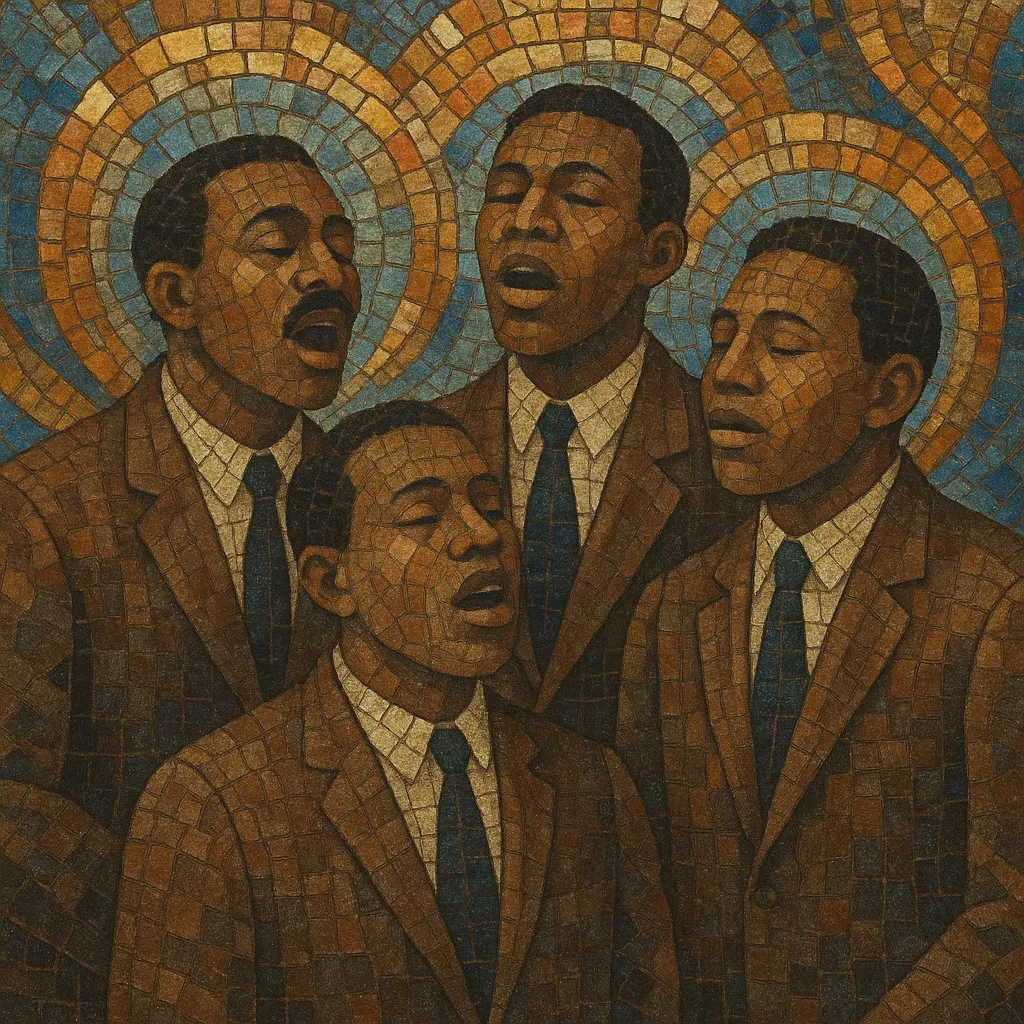
Jubilee is an African‑American vocal tradition rooted in the post–Civil War era and the concert presentation of spirituals. It is characterized by four‑part close harmony, tight ensemble blend, and call‑and‑response structures that preserve the communal spirit of the spiritual while adapting it for the stage.
Rhythmically, it highlights syncopation, handclaps, foot stomps, and percussive vocal figures that create complex propulsion without instruments (often a cappella). Texts center on Biblical narratives, deliverance, praise, and moral instruction, delivered with clear diction and dynamic contrasts.
Emerging first in college and institute choirs and later in professional quartets, the jubilee style became a foundation for the gospel quartet tradition and a major influence on doo‑wop, R&B, and soul.
History
In 1871, the Fisk Jubilee Singers of Nashville, Tennessee popularized harmonized concert arrangements of African‑American spirituals across the United States and Europe. Their success established "jubilee songs" as a respected stage repertoire and sparked similar ensembles at other schools (Hampton, Tuskegee), embedding the term "jubilee" in American musical life.
As the tradition spread, smaller male quartets (often TTBB) emerged, emphasizing tight four‑part harmony, call‑and‑response, and disciplined blend. Early recordings in the 1910s–1920s captured these "jubilee quartets," helping standardize the style’s balance of homophony, responsive leads, and rhythmic precision.
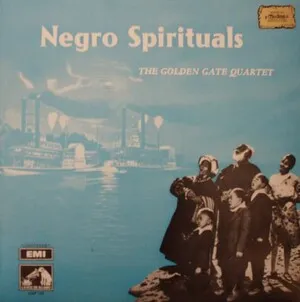
Groups like the Golden Gate Jubilee Quartet (later Golden Gate Quartet) brought jazz‑inflected harmonies, swing syncopations, and vocal percussion to the jubilee template, thriving on radio and in touring circuits. Their innovations expanded the rhythmic and timbral palette while retaining spiritual texts and antiphonal structure.
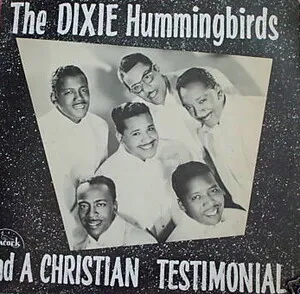
Several jubilee quartets evolved toward the more improvisatory, lead‑driven "hard" gospel style (e.g., the Soul Stirrers, Dixie Hummingbirds). The jubilee approach to close harmony, bass vocal ostinatos, and percussive call‑and‑response directly influenced doo‑wop street harmonies, early R&B textures, and, subsequently, soul performance practice.
Today, jubilee stands as a bridge between 19th‑century spirituals and 20th‑century Black sacred and popular music. Its aesthetic—concertized spirituals sung with complex rhythms and responsive voices—remains audible in gospel quartets, community choirs, and the DNA of doo‑wop, R&B, and soul.