Your digging level
Description
Gospel blues is a devotional style that blends the fervent message and call-and-response practices of African American church music with the form, harmony, and vocal timbre of the blues. It typically pairs biblical or testimonial lyrics with blues-inflected melodies, bottleneck guitar, and a sanctified, preacherly delivery.
Performances often feature 12‑bar or 8‑bar blues frameworks, shuffling rhythms, and expressive techniques such as moans, slides, and melisma. Street evangelists, tent revivals, and storefront churches were crucial incubators, and early recordings captured a raw, intimate sound shaped by wooden pews, handclaps, tambourines, and resonant vocals.
The result is music that can be simultaneously mournful and exultant—lamenting earthly trials while affirming hope, faith, and redemption.
History
Gospel blues formed in the early 1900s at the intersection of African American sacred traditions and the emergent country and Delta blues. Holiness–Pentecostal revivals, street-corner preaching, and storefront churches provided a setting where blues tonalities, testimonial speech, and congregational responses coexisted. Spirituals and field hollers supplied the repertoire’s devotional core and vocal techniques, while blues furnished formal structures and a solo-guitar idiom.
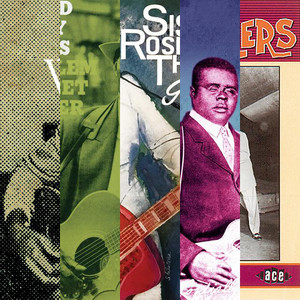
The genre crystalized on record in the late 1920s. Washington Phillips’ "Denomination Blues" (1927) and Blind Willie Johnson’s Columbia sides (beginning 1927) showcased sanctified lyrics over blues guitar, slide work, and a sermon-like vocal delivery. Other pivotal figures—Rev. Edward W. Clayborn ("The Guitar Evangelist"), Blind Joe Taggart, and Rev. Robert Wilkins—expanded the catalog with hymns, warnings, and testimonies cast in 8- and 12-bar forms.
In the 1930s, Sister Rosetta Tharpe brought gospel blues to urban stages and recording studios, fusing church repertoire with driving rhythm and showmanship, foreshadowing rhythm & blues and rock and roll. Arizona Dranes’s piano-driven recordings (mid‑1920s into the 1930s) also bridged sanctified worship and blues phrasing.
After World War II, the sound and spirit of gospel blues fed directly into rhythm & blues, early soul, and rock and roll. Sister Rosetta’s guitar attack influenced Chuck Berry and Elvis Presley, while the expressive church-blues vocal style shaped later gospel quartets and soloists. Rev. Gary Davis helped transmit the idiom to the 1960s folk revival, teaching fingerstyle techniques to a new generation.
Though the classic era belongs to prewar and immediate postwar recordings, gospel blues remains a reference point for gospel, blues revivalists, roots rock, and contemporary Christian artists seeking a raw, conviction-filled sound that marries lament with hope.
Start with a blues form—most often a 12‑bar structure in 4/4 with a medium shuffle or a steady, hymn-like pulse. Use I–IV–V progressions, occasional minor iv colorings, and blue notes (b3, b5, b7) in the melody.
Lead with acoustic or resonator guitar in open tunings (Open D/G) to facilitate slide. Complement with harmonica, piano/organ, handclaps, and tambourine. Aim for a warm, slightly gritty timbre; let slide vibrato, bent notes, and fingerpicked bass lines carry the groove.
Sing with preacherly intensity and dynamic contrast. Employ call-and-response phrases (soloist vs. congregation or guitar), melisma on key words, and expressive moans. Place climactic shouts or spoken exhortations between sung lines to heighten the testimonial feel.
Write devotional narratives: salvation, perseverance, warnings against sin, scriptural paraphrases, and personal testimony. Pair lamenting verses with affirming refrains. Repetition (short hooks like “I know it was the blood”) reinforces the message and invites participation.
Alternate verses with instrumental "responses" (turnarounds, slide fills). Use stop-time or breaks to spotlight key lines. Keep arrangements intimate and rhythmic—handclaps on 2 and 4, tambourine accents, and subtle bass runs anchor the feel. Record live, close-miked, and minimally processed to preserve immediacy.