Your digging level
Description
Mizo gospel is the Christian sacred and popular devotional music of the Mizo people from Mizoram, a hill state in Northeast India. It blends Western hymnody and choral traditions brought by missionaries with local melodic sensibilities, languages (primarily Mizo/Lushai), and later, contemporary band and studio production.
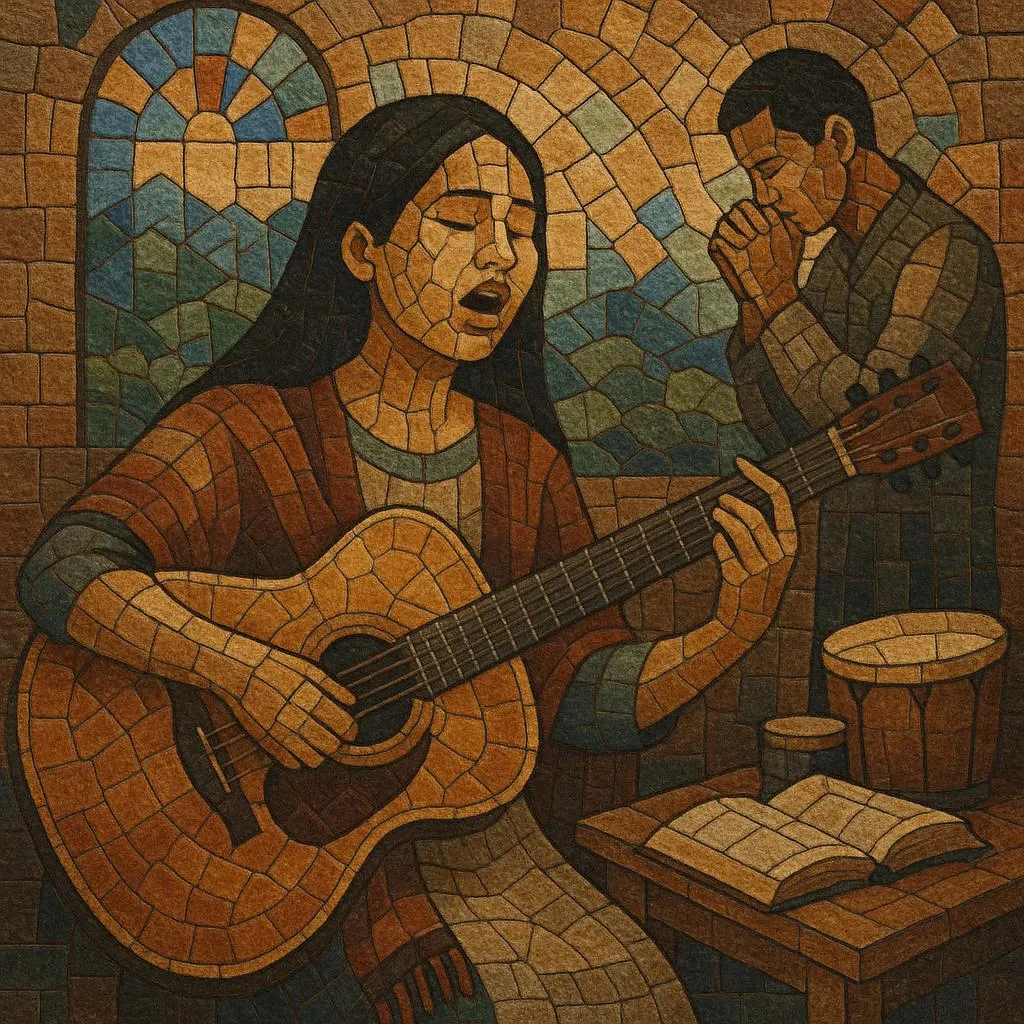
Core sounds range from four‑part SATB choirs and congregational “lengkhawm zai” hymn singing to modern praise-and-worship ensembles with acoustic guitar, keyboards, bass, and light drums. Lyrics focus on faith, testimony, consolation, and communal praise, and are almost always delivered in the Mizo language.
Over the 20th century the style expanded from church liturgy and school choirs into recordings, radio, and live concerts, while retaining its identity as spiritually centered, community-driven music.
History
Christianity reached the Lushai Hills (now Mizoram) in the 1890s through Welsh Presbyterian missionaries. Early Mizo Christian music grew from translated hymnody, tonic‑sol‑fa teaching, and congregational singing traditions introduced in mission schools and churches. By the 1900s–1910s, choral singing and community choirs were firmly established, shaping a distinct devotional singing culture in the Mizo language.
As church networks expanded, formally organized choirs—youth, women’s, and city or synod ensembles—developed a repertoire of hymns, anthems, and oratorios adapted for local performance. Notable mission‑linked ensembles and school concert groups helped standardize four‑part harmony, sight-singing, and disciplined choir practice, creating a durable foundation for Mizo gospel performance.
From the 1970s–1990s, cassette culture, All India Radio/Doordarshan broadcasts, and local studios enabled wider dissemination. Arrangers began adding acoustic guitar, keyboard pads, and gentle percussion to traditional choral textures. Translations of global praise songs joined original Mizo compositions, and church festivals and youth conventions fostered a vibrant live scene.
Today, Mizo gospel spans a continuum—from a cappella choirs to band‑led worship with soft pop/rock production. Community choirs remain central to liturgy and cultural life, while independent composers, church media ministries, and youth worship teams release singles and concert videos online. Despite stylistic updates, the genre keeps its core identity: faith‑centered lyrics, communal participation, and an emphasis on harmony and uplift.