Your digging level

For this genre
0/8
🏆
Sign in, then listen to this genre to level up

Description

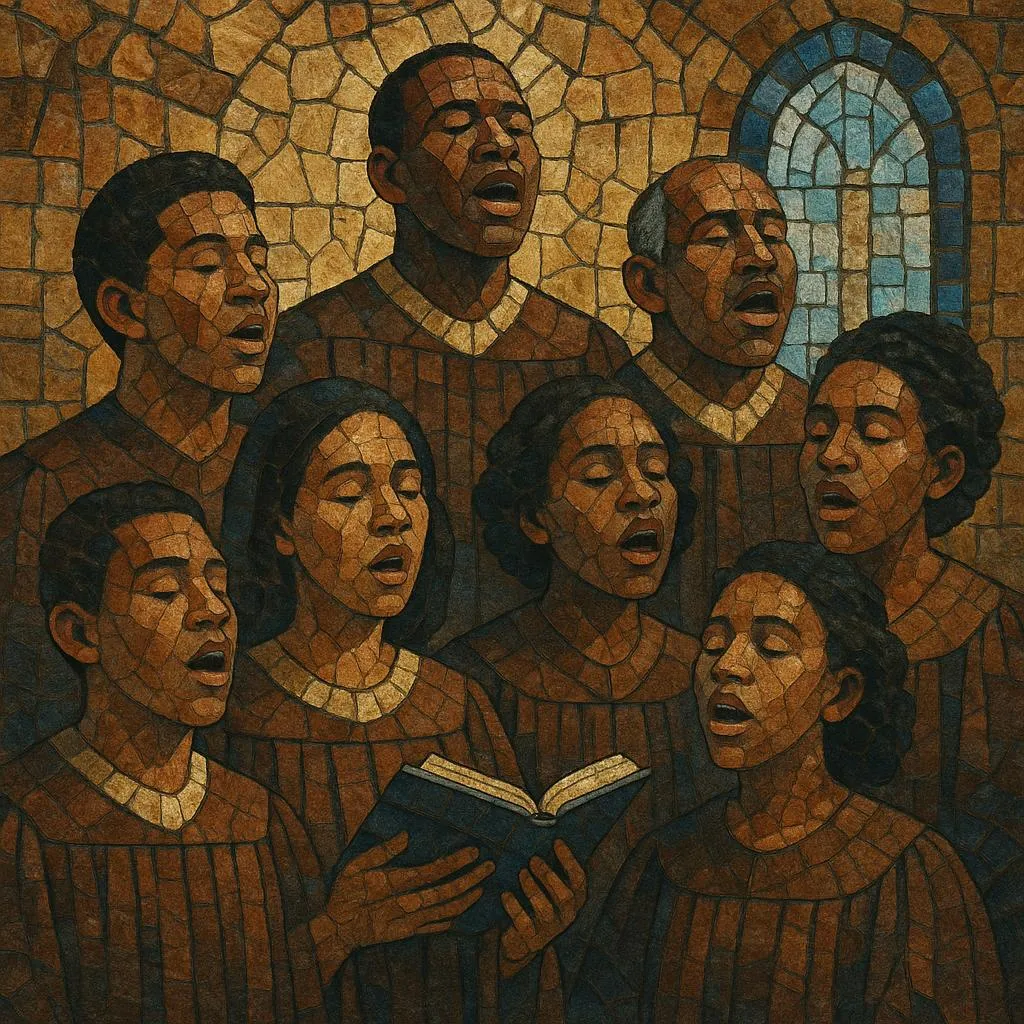
SDA choir refers to the choral tradition associated with the Seventh-day Adventist (SDA) Church. It blends Protestant hymnody, African American spiritual–gospel practice, and classical choral technique with a distinctive Adventist theological focus on Sabbath, the Second Coming, and scripture-centered devotion.

A hallmark of the style is four-part SATB harmony, frequently sung a cappella or with minimal accompaniment (piano, organ, strings), strong sectional blend, and clear diction for congregational edification. In many regions—especially across East and Southern Africa and the Pacific—the sound incorporates call-and-response, antiphonal textures, and vernacular languages, giving SDA choirs a vibrant, transnational identity.

Modern SDA choirs range from polished collegiate ensembles to large church- and youth-based groups, and their repertoire spans traditional hymns, spirituals, scripture songs, and newly composed worship pieces aligned with Adventist faith and mission.

Sources: Spotify, Wikipedia, Discogs, RYM, MB, user feedback and other online sources

History

Roots (late 19th–early 20th century)
•   The SDA Church (formally organized in 1863 in the United States) adopted the Protestant hymnbook tradition for congregational worship. •   Early choral practice drew directly from hymn singing, shape-note legacies, and European–American choral methods, emphasizing clear voicing, doctrinal texts, and orderly worship.
Consolidation of a Choir Aesthetic (1900s–1950s)
•   As Adventist schools, colleges, and academies proliferated, campus choirs became laboratories for a polished SATB sound—often a cappella or lightly accompanied. •   Repertoire centered on hymns, psalms, scripture songs, and adapted spirituals, favoring homophony, strong part-leading, and accessible tonal harmony.
Global Expansion (mid–late 20th century)
•   Mission activity spread SDA congregational and choral practice throughout Africa, the Caribbean, Latin America, Europe, and the Pacific. •   Local musical languages enriched the style: call-and-response, polyrhythmic handclaps, and indigenous languages entered Adventist choral worship while retaining theological and liturgical consistency.
Professionalization and Media Era (1990s–present)
•   University ensembles and large church choirs released albums and embarked on international tours; television and radio (e.g., religious broadcasting) amplified the repertoire. •   The digital era (YouTube, streaming) elevated notable ensembles from Rwanda, the UK, the US, the Philippines, Canada, and Kenya, cementing "SDA choir" as a recognizable, global worship-church choral genre with both traditional and contemporary expressions.

How to make a track in this genre

Core Harmony and Voicing
•   Write in four-part SATB with clear lyric underlay and singable ranges; prioritize homophony for textual clarity, with occasional imitative or antiphonal passages for contrast. •   Use functional, diatonic harmony (I–IV–V, secondary dominants, and tasteful modulations up a whole/half step for lift). Cadences should feel conclusive and supportive of congregational devotion.
Melody and Text Setting
•   Craft stepwise, hymn-like melodies with memorable contours and limited leaps, ensuring congregational accessibility. •   Texts focus on Adventist theology (Sabbath, Second Coming, holiness, healthful living, biblical narratives). Favor scripture paraphrases and clear, doctrinal language.
Rhythm and Texture
•   Keep meters steady (4/4, 3/4, 6/8). In African contexts, incorporate gentle off-beat claps, call-and-response refrains, and unison/solo leads answered by full choir. •   Vary texture by alternating full SATB, men/women in antiphony, or brief a cappella reductions before climactic tutti returns.
Timbre and Performance Practice
•   Emphasize blended choral tone, unified vowels, and crisp consonants. Aim for devotional sincerity over vocal showmanship. •   Common accompaniments: piano or organ; strings or small ensemble may double lines. Many pieces are effective entirely a cappella.
Arrangement Tips
•   Introduce key-changes near the final refrain for uplift; thicken harmony (add 9ths/6ths sparingly) without obscuring text. •   Endings often employ rallentando with sustained tonic or a soft, prayerful amen cadence. In festive pieces, use a strong plagal or authentic cadence with full-voice resonance.

Top tracks

Locked
Share your favorite track to unlock other users’ top tracks

Upcoming concerts

in this genre
Influenced by
Has influenced

Download our mobile app

Get the Melodigging app and start digging for new genres on the go
© 2026 Melodigging
Melodding was created as a tribute to Every Noise at Once, which inspired us to help curious minds keep digging into music's ever-evolving genres.
Buy me a coffee for Melodigging