Your digging level
Description
Hengelliset laulut (Finnish “spiritual songs”) is a Finnish-language tradition of Christian devotional song that developed alongside the Lutheran hymn and the 19th‑century revival movements.
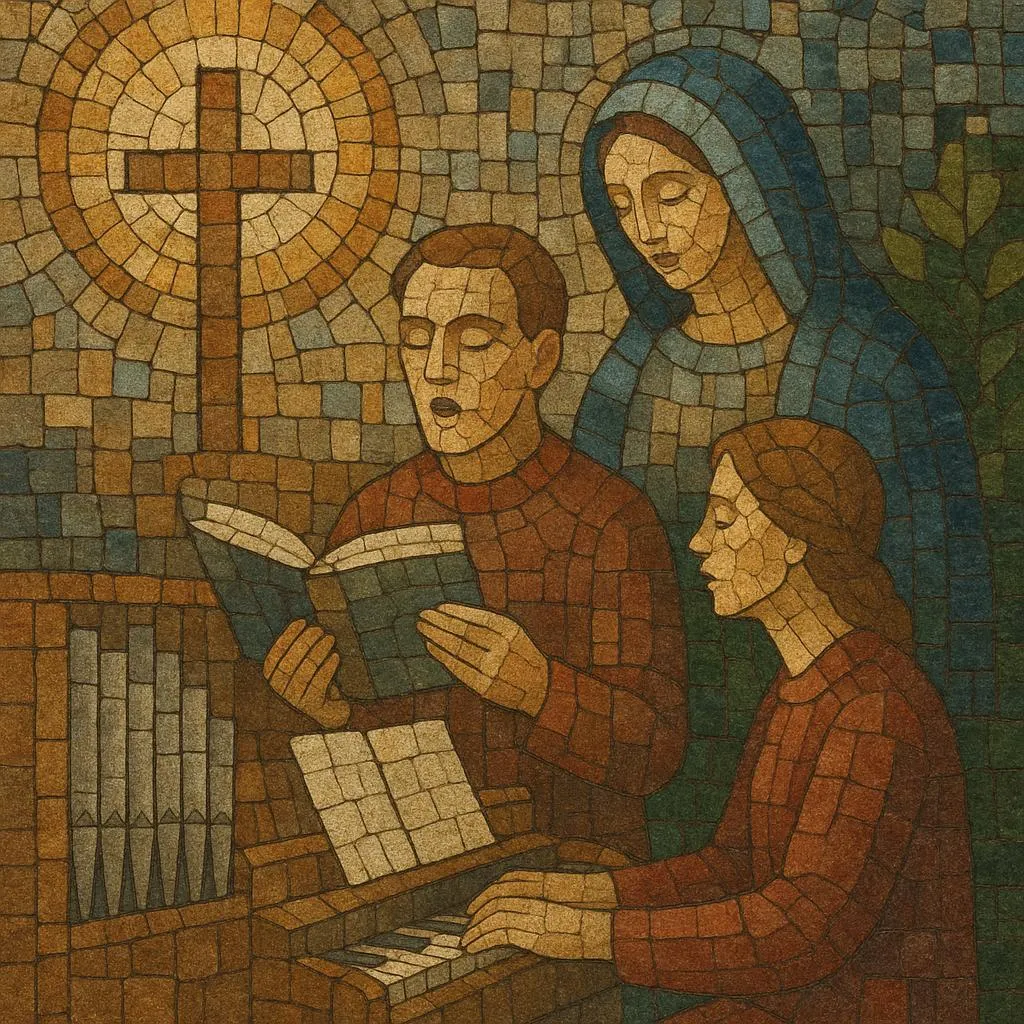
It encompasses congregational hymns sung at services and gatherings, home and camp-meeting repertoire, and choral or small‑group settings accompanied most often by organ, piano, or sung a cappella.
Musically, the style favors clear, singable melodies, four‑part chorale harmony, and texts that stress consolation, repentance, hope, and communal faith, often drawing on Finland’s Lutheran hymnal and revivalist collections such as Siionin virret and Siionin laulut.
History
The roots of hengelliset laulut lie in the Lutheran Reformation and the spread of vernacular hymnody in Finland. From the 16th century onward, Finnish congregations adopted chorales and psalm paraphrases for worship, establishing the harmonic, strophic template that would remain central.
In the 1800s, national awakening and revivalist movements (notably herännäisyys, evankelisuus, and Laestadianism) energized spiritual song beyond the official hymnal. Collections such as Siionin virret and Siionin laulut gathered accessible Finnish-language songs for meetings, home devotion, and large outdoor gatherings, cementing the term hengelliset laulut in popular use.
Finland’s rich choral tradition—male-voice choirs, mixed choirs, and children’s choirs—adopted spiritual songs into concert and liturgical programs. Organ‑accompanied congregational singing grew alongside a cappella traditions, and arrangers created SATB settings suitable for parish life and national radio broadcasts. The 20th‑century hymnal revisions (culminating in the widely used 1986 Virsikirja) refreshed texts and melodies, keeping the repertoire current while preserving core revivalist material.
Today, hengelliset laulut spans parish services, seasonal feasts, pilgrimages, and major revival meetings. Choirs perform both traditional chorales and newer devotional songs; small ensembles and family groups sing them in homes, camps, and community events. Modern recordings, hymn festivals, and digital hymnals continue to circulate the repertoire, while new compositions maintain the genre’s hallmarks of singability, clear theology, and communal participation.