Your digging level
Description
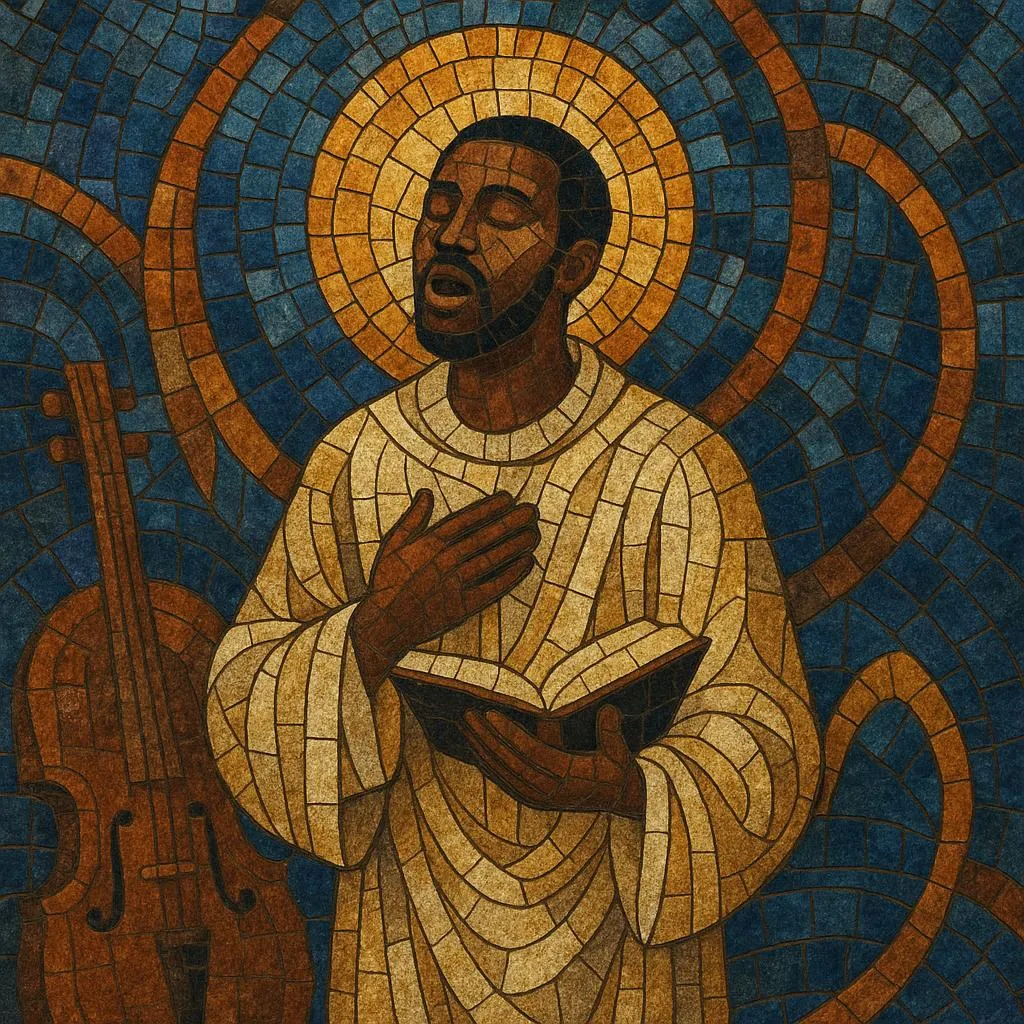
Adventista (Adventist music) refers to the body of sacred and devotional music connected with the Seventh-day Adventist Church, including its Spanish- and Portuguese-language expressions in the Americas.
It combines Protestant hymnody, African American gospel influence, and choral traditions with contemporary Christian pop and worship ballad aesthetics. Typical formats range from a cappella male quartets and massed choirs to small praise ensembles and orchestral-accompanied soloists.
Lyrically, Adventist music centers on distinct themes such as the Second Coming (the “Advent”), Sabbath rest, redemption in Christ, creation, healthful living, and hope. The tone tends toward reverent, singable, and congregationally accessible songs—often arranged in SATB harmony or gentle pop/ballad idioms—intended for worship services, evangelistic meetings, and media ministry.
History
The Seventh-day Adventist Church formed in the United States in the mid-19th century, inheriting a deep repertoire of Protestant hymnody. Early Adventist worship featured congregational hymns and simple part-singing, with texts emphasizing distinctive beliefs such as the Second Coming, the Sabbath, and biblical prophecy. Hymnbooks compiled by Adventist editors solidified a core canon for congregational use.
Male vocal quartets and choirs became signature sounds in the Adventist tradition. Radio and later television ministries popularized polished quartet singing and contralto/tenor soloists, spreading Adventist repertoire well beyond local congregations. During this period, the church’s publishing and broadcasting arms disseminated hymnals, choral arrangements, and recordings, while academy and university ensembles trained successive generations of performers.
As Adventism expanded rapidly in Latin America, “música adventista” developed vibrant Spanish- and Portuguese-language expressions. Choirs, quartets, and worship ensembles linked to Adventist universities, media networks, and camp-meeting circuits created a recognizable sound: reverent, melodic, and evangelistic. Production values rose with studio recordings, orchestral accompaniments, and televised concerts.
Today Adventist music spans classic hymn-based choral works, a cappella quartets, and contemporary worship-pop. Media ministries and digital platforms (including Spanish- and Portuguese-language channels) amplify new songwriting while preserving historic hymnody. Global ensembles from North America, Latin America, Africa, and Asia contribute to a diverse yet recognizably Adventist aesthetic centered on hope, holiness, and the imminence of Christ’s return.