Your digging level
Description
Traditional gospel is a sacred vocal music tradition rooted in African-American church life, centered on Christian testimony, communal participation, and expressive singing.
It is typically built around call-and-response patterns, strong melodic hooks, and harmonies shaped by spirituals, blues, and hymnody.
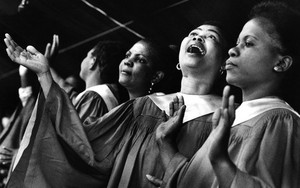
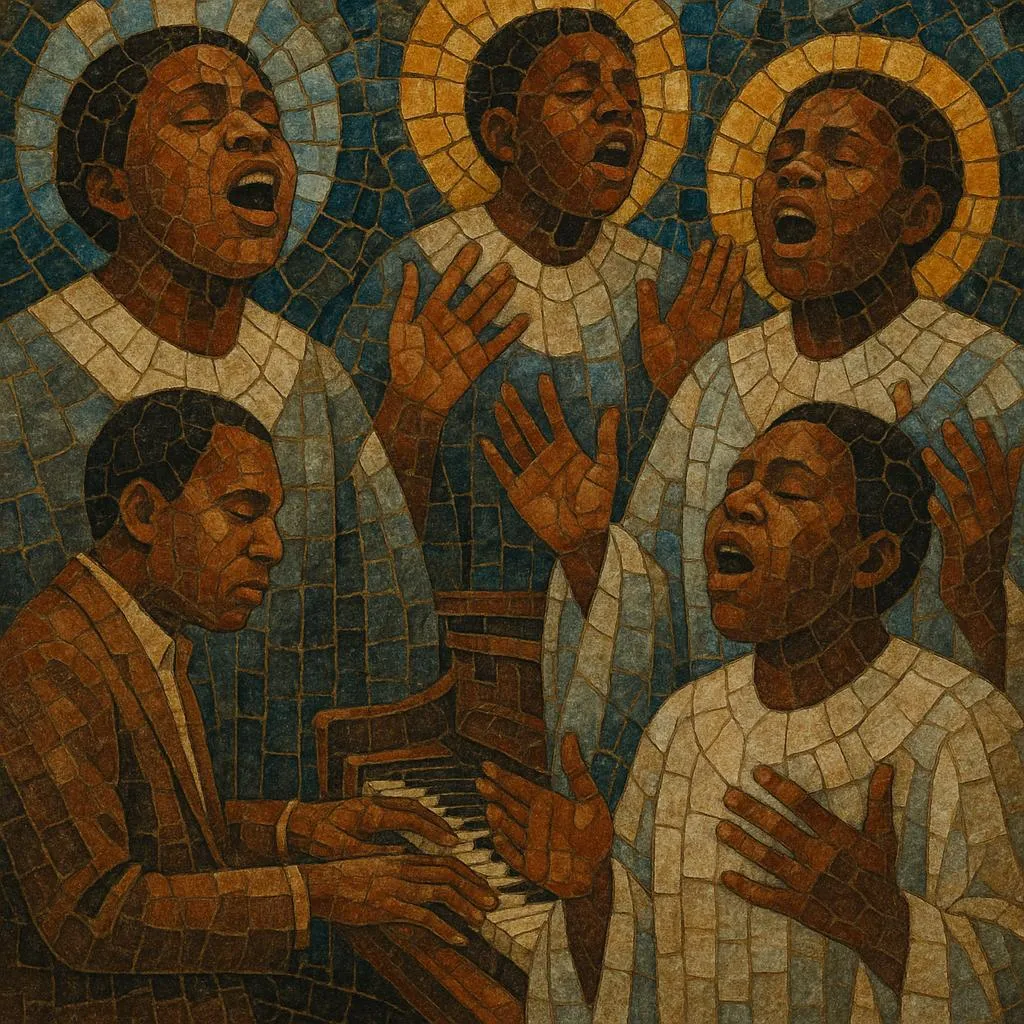
Performances commonly feature choir or lead vocalist with choir responses, supported by piano and/or Hammond organ, handclaps, and sometimes a full rhythm section.
Lyrically, it focuses on faith, salvation, perseverance through hardship, gratitude, and personal relationship with God, often delivered with improvisation, melisma, and dynamic intensity.
Compared with contemporary gospel, traditional gospel tends to emphasize church-oriented repertoire, classic song forms, and a “sanctified” feel over pop or electronic production aesthetics.
History
Traditional gospel emerged from African-American Protestant worship practices, drawing on the spirituals tradition and the hymn repertory common to Baptist, Methodist, and Holiness/Pentecostal congregations.
In the early 20th century, composers and church musicians began formalizing a distinct repertoire of gospel songs that blended hymn-like structures with blues-inflected melody, rhythmic drive, and improvisational vocal style.
The mid-20th century saw gospel choirs become major vehicles for the style, with prominent directors and soloists shaping powerful choral arrangements, call-and-response frameworks, and intensified performance practice.
Recordings and radio helped spread the genre beyond local churches while maintaining strong ties to worship settings.
Traditional gospel increasingly intersected with soul and R&B, influencing popular music while continuing to preserve church-based aesthetics in many congregations and quartet/choir traditions.
While contemporary gospel adopted pop, hip-hop, and modern production, traditional gospel remains active through choirs, quartets, and church musicians who maintain classic repertoire, harmonies, and performance conventions.