Your digging level
Description
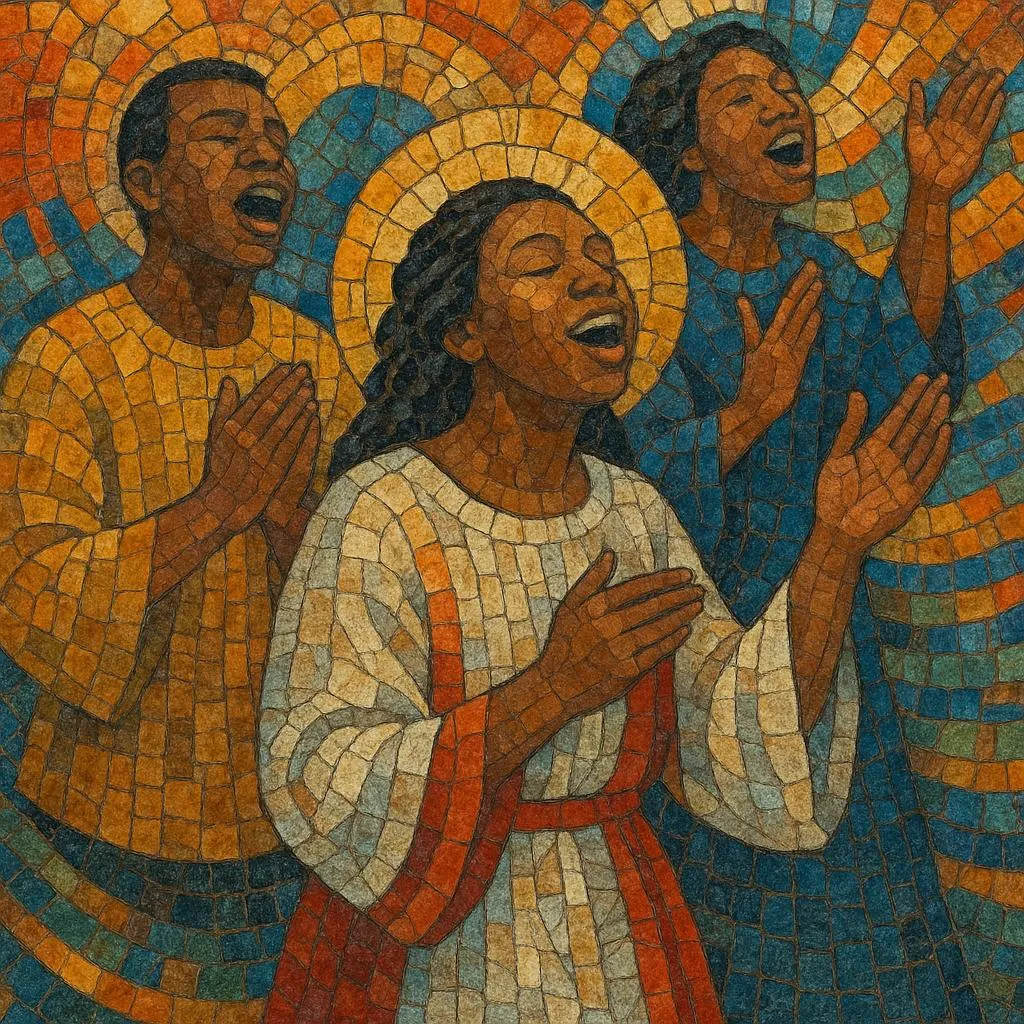
Praise is a contemporary branch of Christian gospel music centered on exuberant, congregational songs of thanksgiving and celebration. It emphasizes upbeat grooves, call-and-response between leader and choir/congregation, and memorable refrains designed for corporate participation.
Stylistically, praise draws on modern gospel, R&B, soul, and pop production. Songs often feature rhythm-section drive, handclaps on the backbeat, bright choir voicings, and dynamic key changes that elevate energy. Lyric content is declarative and God-focused—expressing gratitude, victory, and joy—rather than contemplative or meditative.
In church practice, “praise” commonly denotes the high-energy portion of a service (often paired with a slower “worship” segment). In recordings and live albums, it overlaps with contemporary gospel and CCM but is distinct in its celebratory tempo, danceable feel, and congregational call.
History
Praise grows out of African American gospel traditions where spirited congregational singing, handclaps, and call-and-response were core. Early quartet and choir forms, coupled with the R&B–soul crossover of mid‑century gospel, established the rhythmic feel and harmonic language (bright triads, extended dominants, blues inflections) that later became the bedrock of praise.
As contemporary gospel and CCM modernized arrangements with drum kits, electric bass, keyboards, and horn sections, churches increasingly organized services into “praise” (up‑tempo celebration) and “worship” (slower devotion). Choir-driven gospel ministries and praise teams popularized radio-ready refrains, modulations, and audience participation, solidifying “praise” as a recognizable sound.
With large choirs, touring ensembles, and broadcast worship events, praise aesthetics spread internationally. Producers integrated hip‑hop grooves, modern R&B harmonies, and pop hooks, while retaining the communal, call‑and‑response DNA. Today, praise informs everything from youth choirs to stadium-scale worship events and has influenced regional variants in Africa, the Caribbean, and Latin America.


![Learn 4 Chords - Play 100's of WORSHIP songs! 5 examples [EASY LESSON]](https://i.ytimg.com/vi/BMn7tDmAa0o/hqdefault.jpg)


Top albums

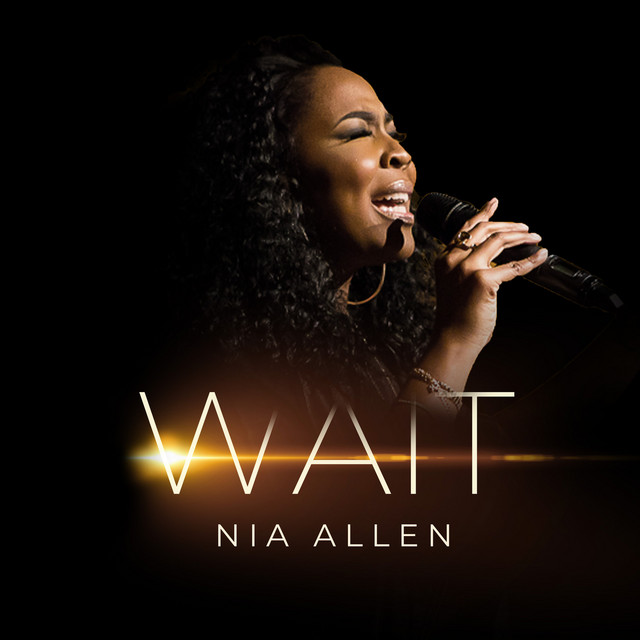
![You Waited (Radio Edit) [Live]](https://i.scdn.co/image/ab67616d0000b273e6e23f3bae9df6bd33a77e78)
Best playlists