Your digging level
Description
Jirai kei is a recent Japanese internet-born pop micro‑genre and aesthetic that blends cute, sugary sounds with darker, obsessive and self‑destructive themes. The term comes from a fashion/aesthetic scene associated with yamikawaii and menhera culture, and in music it describes songs that sound soft and adorable on the surface but conceal lyrics about toxic love, dependency, jealousy, and emotional volatility.
Sonically, jirai kei draws from J‑pop and Vocaloid traditions (denpa/picopop brightness, catchy hooks) while adopting modern hyperpop gloss, trap/EDM percussion, and highly edited, youthful vocals. The contrast between childlike, pastel timbres and intense, confessional writing is central to the style, making it both immediately hooky and emotionally sharp—an audio embodiment of “cute but dangerous.”



History
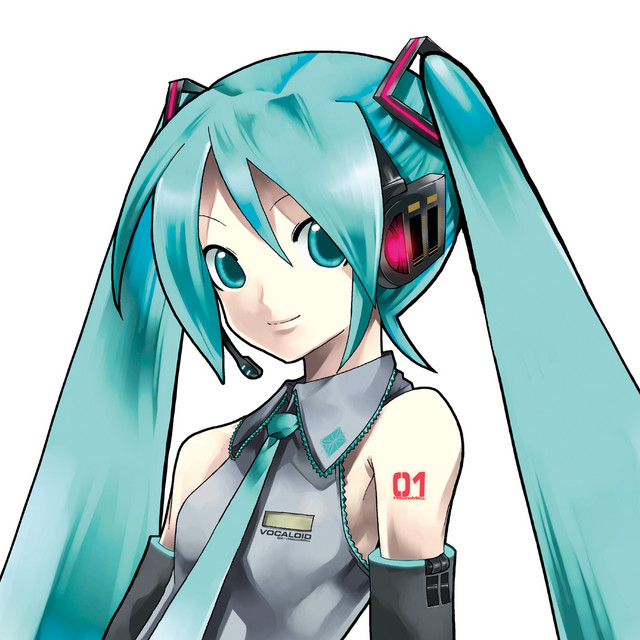
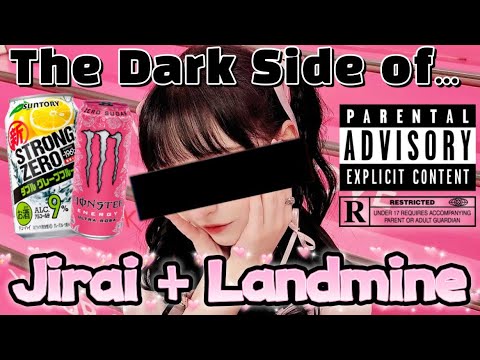
Jirai kei emerged in Japan during the mid‑to‑late 2010s in parallel with the growth of yamikawaii/menhera fashion and the flourishing of internet‑native music scenes on Nico Nico Douga, YouTube, and later TikTok. Producers and singers active in Vocaloid and utaite communities began marrying denpa/picopop brightness with darker, candid lyrics about unstable relationships and mental fragility—an inversion of kawaii tropes that resonated with Gen Z audiences.
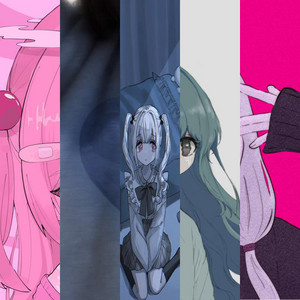
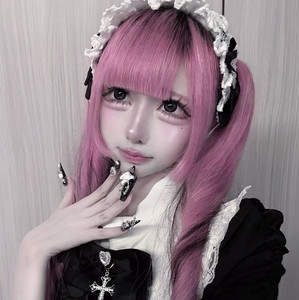
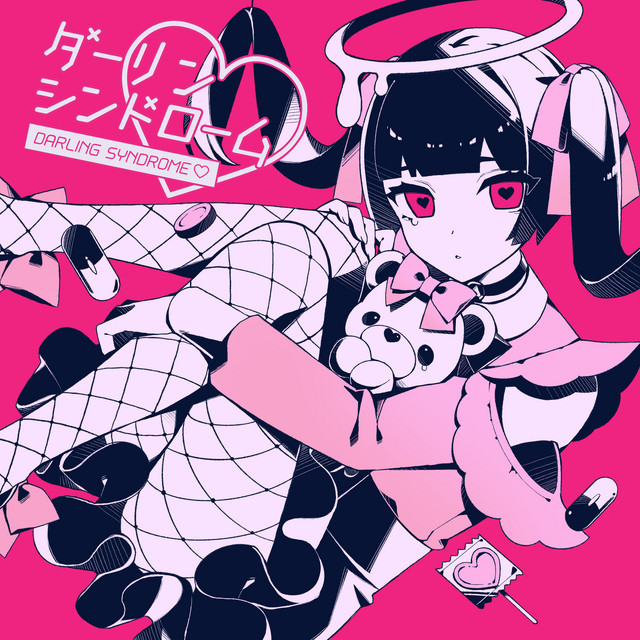
As short‑form video platforms exploded, snippets of “cute yet toxic” hooks spread virally. Visual signifiers—pastel palettes, medical motifs, ribbons and lace offset by sharp eyeliner and emotional volatility—traveled with the sound. The term “jirai kei,” already used in fashion discourse, was informally applied to songs that matched this cute/dangerous duality. Internet‑first singers and Vocaloid producers (and later virtual singers) provided a steady stream of intensely hooky tracks ideal for lip‑syncs and edits.
By the early 2020s, jirai kei had coalesced around: (1) bright, childlike timbres (glockenspiel, toy‑like synths, chip leads), (2) crisp EDM/trap/club drums, (3) heavily tuned or stylized vocals, and (4) lyrics centering yandere‑adjacent obsession, dependency, jealousy, and self‑sabotage. The friction between confectionary production and confessional darkness became the style’s signature.
Jirai kei sits near Vocaloid/utaite and alt‑idol spheres, shares sheen with hyperpop and kawaii future bass, and overlaps with contemporary J‑pop singer‑songwriters who pen introspective, emotionally spiky tracks. While not an industry category, it operates as a recognizable micro‑scene and tag in streaming and social platforms.