Your digging level
Description
Guarania is a Paraguayan genre created in 1925 by composer José Asunción Flores to convey the introspective character and nostalgia of the Paraguayan people.
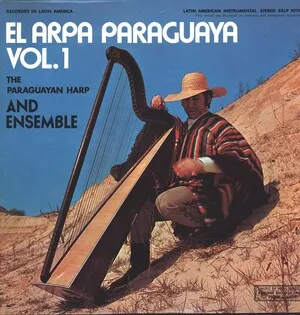
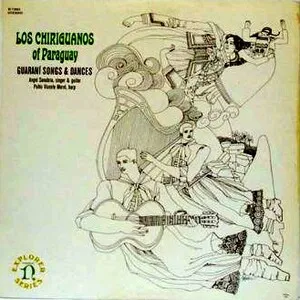
It is marked by slow and melancholic rhythms, lyrical melodies—often in minor modes—and poetic lyrics in Spanish and/or Guaraní. The Paraguayan harp, alongside voice, guitar, and sometimes accordion or small ensembles, carries flowing arpeggios and sustained harmonies that give the style its dreamy, plaintive aura. The result is intimate, song-centered music that favors expressive phrasing and rubato over virtuosic speed.
History
José Asunción Flores conceived Guarania in Asunción in 1925 as a deliberate break from the brisk energy of the Paraguayan polka. Seeking a vehicle for national sentiment, he slowed the tempo, deepened the harmony, and set melodies that could carry the melancholy and longing he heard in everyday Paraguayan life. Working with poets such as Manuel Ortiz Guerrero, Flores created emblematic songs (notably "India" and "Panambí Vera") that quickly defined the new style.
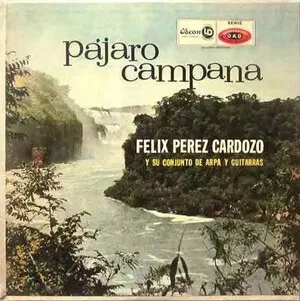
Between the Chaco War (1932–1935) and the mid‑century, Guarania matured into a principal art‑song form of Paraguay. Performers adopted the Paraguayan harp for its warm resonance and flowing arpeggios, while singers brought a bel canto‑like expressiveness to the melodies. Repertoire expanded through composers such as Mauricio Cardozo Ocampo and Félix Pérez Cardozo, and through the lyrical contributions of Paraguayan poets writing in Spanish and Guaraní.
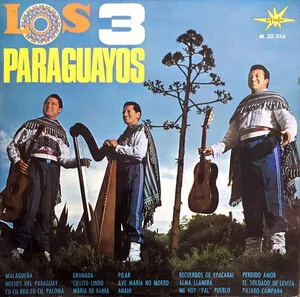
From the 1950s, ensembles like Los Paraguayos (led by Luis Alberto del Paraná) and harpists such as Digno García toured Europe and the Americas, turning Guarania into an international emblem of Paraguayan music. Demetrio Ortiz’s "Recuerdos de Ypacaraí" became one of the genre’s most globally recognized songs, covered widely across Latin America and beyond. The style influenced how the Paraguayan harp and song were perceived on world stages—romantic, lyrical, and unmistakably Paraguayan.
Guarania remains central to Paraguay’s musical identity. While it coexists with contemporary pop and rock, it continues to inform those styles’ lyricism and melodic contour. Conservatories, folk festivals, and harp traditions sustain the repertoire, and modern artists record classic guaranias with updated arrangements. The genre endures as a touchstone for themes of homeland, memory, nature, and love—its slow, reflective pulse still synonymous with Paraguayan nostalgia.