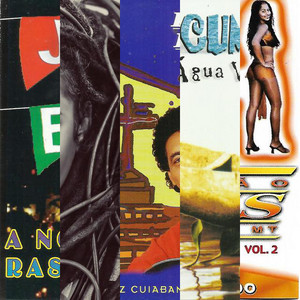
Your digging level
Description
Música mato-grossense is the umbrella term for the popular and folk music made in the Brazilian state of Mato Grosso. It blends riverine Pantanal folk poetics, indigenous and Afro-Brazilian roots, and borderland dance rhythms with Brazilian rural pop and urban dance-floor sensibilities.
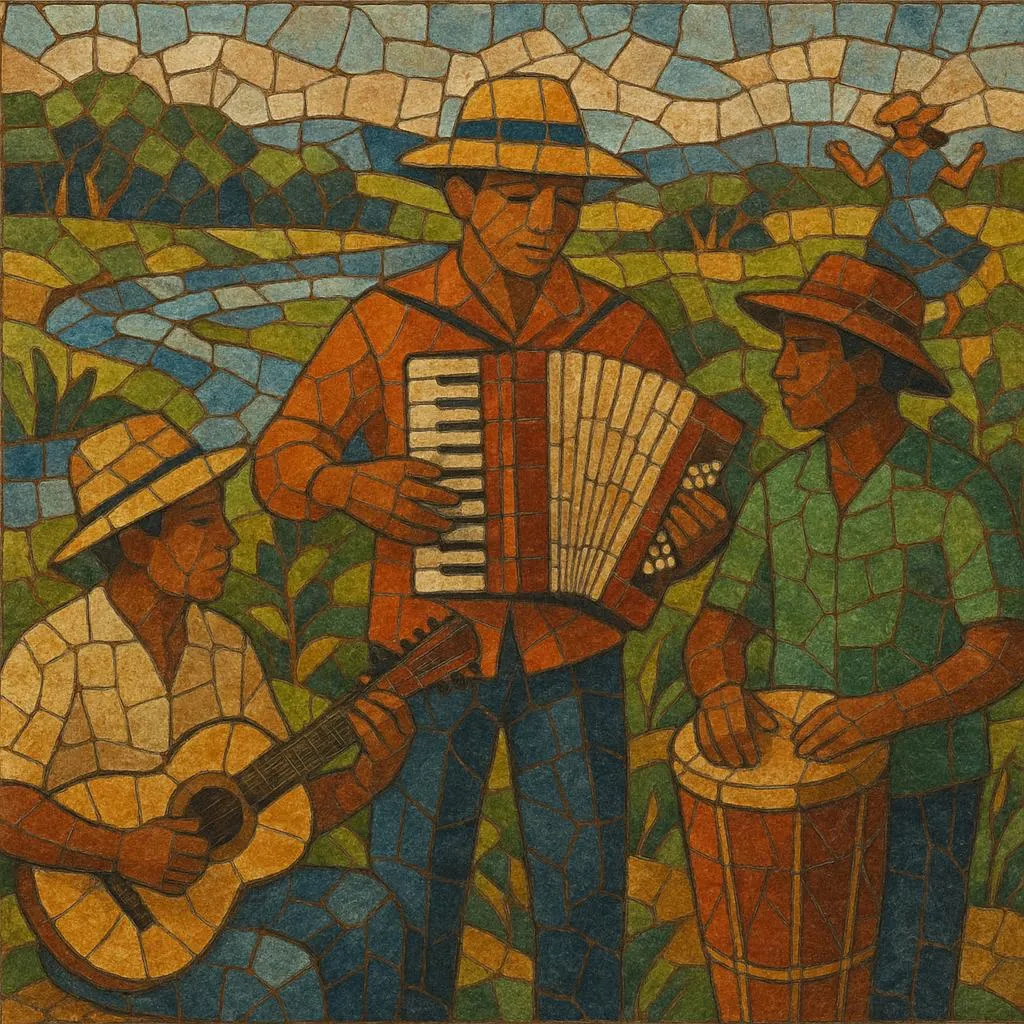
Core local styles include rasqueado cuiabano (a lively guitar- and accordion-led dance form), the devotional-and-dance pair siriri and cururu, and the more recent club-driven lambadão that rose from the peripheries of Cuiabá and Várzea Grande. Typical timbres range from the regional viola-de-cocho and hand percussion to accordion and violão, and—more recently—drum machines, synth basses, and keyboards.
Lyrically, songs often depict the Pantanal landscape, rivers, fishing, festas, faith, love, and everyday humor delivered with regional slang (cuiabanês), creating a strong sense of place and identity.
History
Música mato-grossense grew from older rural and devotional practices such as siriri and cururu, both tied to festive and religious cycles around Cuiabá and the riverside communities. Indigenous musicalities from peoples of the region (e.g., Xavante, Bororo) and Afro-Brazilian rhythmic practices mingled with Luso-Iberian song forms. Cross-border currents—especially chamamé and guarania from the Guarani cultural area—also entered local repertoires.
By the early 20th century, rasqueado cuiabano had coalesced as a distinct local dance-music with guitar (violão), accordion, and the characteristic “rasqueado” strumming, alongside regional instruments like the viola-de-cocho.
With urban growth in Cuiabá and better radio/TV infrastructure, local artists began recording and circulating distinctly mato-grossense songs. The period cemented rasqueado cuiabano as a modern emblem of the state’s sound and helped codify a regional repertoire that still drew on siriri/cururu rhythms and themes.
Lambadão emerged in the 1990s from neighborhood sound systems and dance halls in Cuiabá and Várzea Grande, adapting the earlier lambada’s swing to faster tempos, bright synths, and punchy drum machines. At the same time, the national boom of sertanejo and its university-era variant resonated locally, feeding back into the mato-grossense palette.
Today the label “música mato-grossense” spans traditional ensembles that safeguard siriri/cururu and viola-de-cocho practices (recognized as cultural heritage) and a vibrant contemporary scene that includes indie, rock, MPB, and electronic fusions. Artists from the state tour nationally while local festivals, cultural groups, and community projects sustain transmission of rhythms, instruments, and regional repertoire.