Your digging level

For this genre
0/8
🏆
Sign in, then listen to this genre to level up

Description

Lambadão cuiabano (often shortened to lambadão) is a fast, swinging popular style from the Baixada Cuiabana in the state of Mato Grosso, Brazil, centered on the cities of Cuiabá and Várzea Grande.

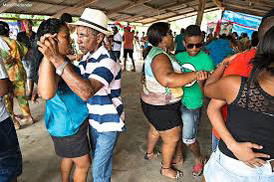
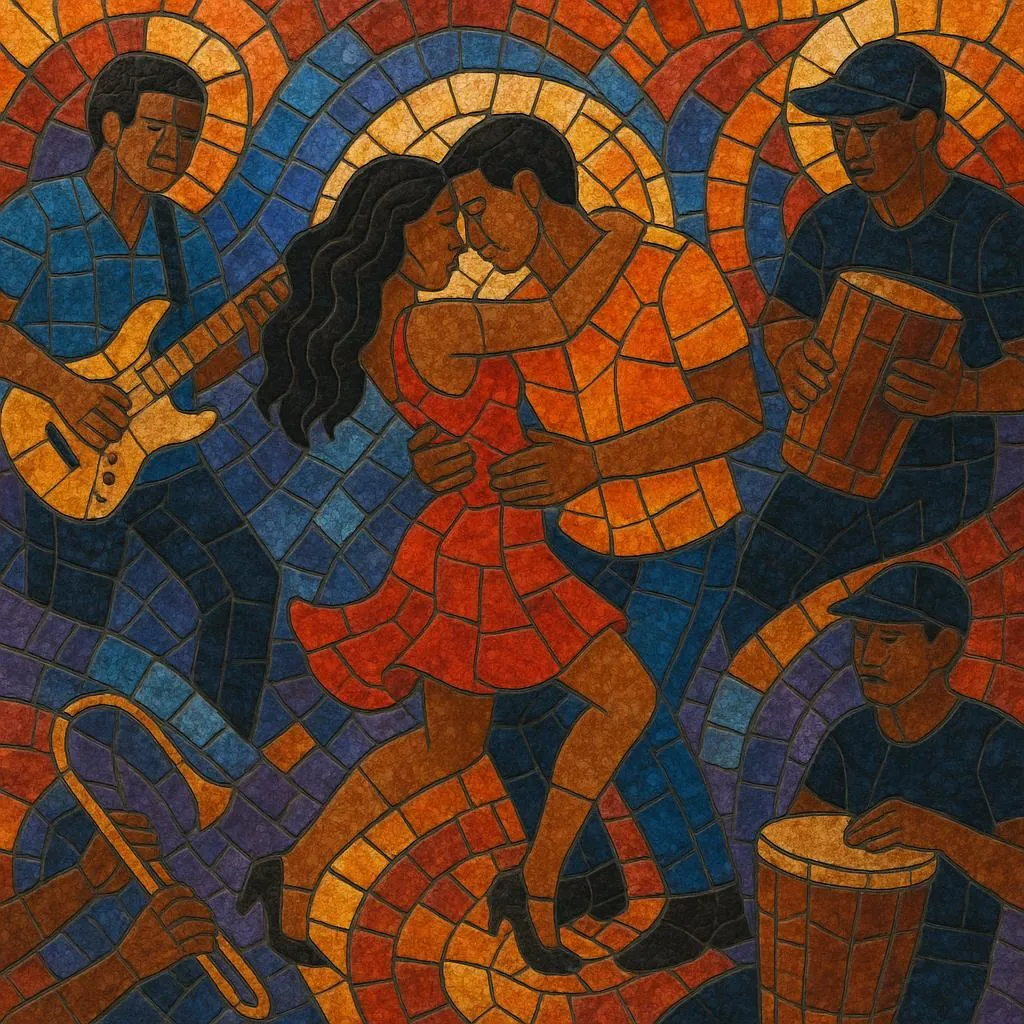
Born in working‑class peripheral neighborhoods and baile scenes, it pushes the lambada/carimbó lineage to higher tempos with bright electric guitar lines, punchy drum‑machine patterns, synth bass, and call‑and‑response vocals. The lyrics are usually romantic or playful, and the accompanying couple dance can be highly sensual—features that have historically attracted prejudice and moral panic even as the style has become a living symbol of local culture.

Today lambadão is a staple of regional parties, sound systems, and community festivals, where its upbeat feel, catchy hooks, and virtuosic guitar figures keep dance floors moving.


Sources: Spotify, Wikipedia, Discogs, RYM, MB, user feedback and other online sources

History

Roots and formation (late 1980s–1990s)

After the nationwide lambada boom at the turn of the 1990s, musicians and sound‑system crews in the Baixada Cuiabana adapted that Amazonian-Caribbean swing to local tastes. Drawing on lambada’s own ingredients—carimbó’s pulse, guitarrada’s lead‑guitar vocabulary, brega’s melodrama, and Caribbean dance‑floor energies (merengue/cumbia)—they sped up the groove and favored inexpensive drum machines and keyboards. The result, taking shape in neighborhood parties and peripheral clubs of Cuiabá and Várzea Grande, came to be known as lambadão cuiabano.

Consolidation and scene culture (2000s)

Through the 2000s, bands standardized a high‑energy format: bright, chorus‑soaked guitars playing rapid quebradas; synth‑bass ostinatos; four‑to‑the‑floor or sharply syncopated machine beats; and sing‑along, romantic refrains. Baile promoters, community radio, and street sound systems helped codify the repertoire and the very fast, sensual couple dance associated with the style.

Prejudice and recognition

Because lambadão emerged in the periphery and its dance can be overtly sensual, the genre faced stigma from mainstream media and cultural institutions. Over time, however, its popularity at local festas, weddings, and neighborhood bailes led to broader acceptance. Municipal cultural events and regional media began to acknowledge lambadão as a distinctive expression of Mato Grosso’s urban culture.

Digital era and present day

YouTube channels, social networks, and independent video producers amplified the scene beyond local borders. Today lambadão functions as a cultural marker of Cuiabá/Várzea Grande nightlife—still proudly grassroots, still dance‑first, and still defined by quick tempos, catchy hooks, and romantic, playful storytelling.


How to make a track in this genre

Tempo and groove
•   Aim for fast dance tempos, typically 140–160 BPM. •   Use a driving two‑beat feel with strong off‑beat accents and frequent syncopations. Drum machines with tight kicks, crisp claps, and bright hi‑hats are common.
Instrumentation
•   Core setup: electric guitar (lead focus), synth/keyboard (pads, brass, arp lines), bass (often synth), drum machine, and lead + backing vocals. •   Guitar tone is bright with chorus/delay, playing rapid quebrada (broken) figures and catchy melodic hooks influenced by guitarrada/lambada.
Harmony and form
•   Keep harmony simple and circular to favor dancing: I–V–vi–IV or I–IV–V progressions in major; occasional parallel minor for verses. •   Use verse–pre–chorus–chorus structures with short instrumental turnarounds for dance breaks.
Melody and vocals
•   Melodies are direct and memorable, sitting in a comfortable tenor/alto range for crowd sing‑alongs. •   Employ call‑and‑response between lead and backing vocals; add ad‑libs and crowd cues (e.g., short shouts) before drops.
Lyrics and themes
•   Romantic, flirtatious, or playful narratives dominate; occasional humor or double entendre reflects the dance‑floor setting. •   Keep lines concise, with repeated hooks that land squarely on the downbeat of the chorus.
Production tips
•   Layer hand‑claps and short percussive samples to energize the backbeat. •   Sidechain pads/keys lightly to the kick for bounce; EQ guitars to leave space for vocals and synth bass. •   Use brief breaks and builds to spotlight dance moves—8‑bar instrumental breaks with guitar licks are typical.
Performance and dance
•   Arrange sets to sustain momentum: start strong, alternate hits with instrumental interludes, and close with the most sing‑along chorus. •   On stage, emphasize the sensual, fast‑paced dance connection—clear kick, crisp claps, and a bright lead guitar are essential for the floor.

Top tracks

Locked
Share your favorite track to unlock other users’ top tracks

Upcoming concerts

in this genre
Influenced by
Has influenced
No genres found

Download our mobile app

Get the Melodigging app and start digging for new genres on the go
© 2026 Melodigging
Melodding was created as a tribute to Every Noise at Once, which inspired us to help curious minds keep digging into music's ever-evolving genres.
Buy me a coffee for Melodigging