Your digging level
Description
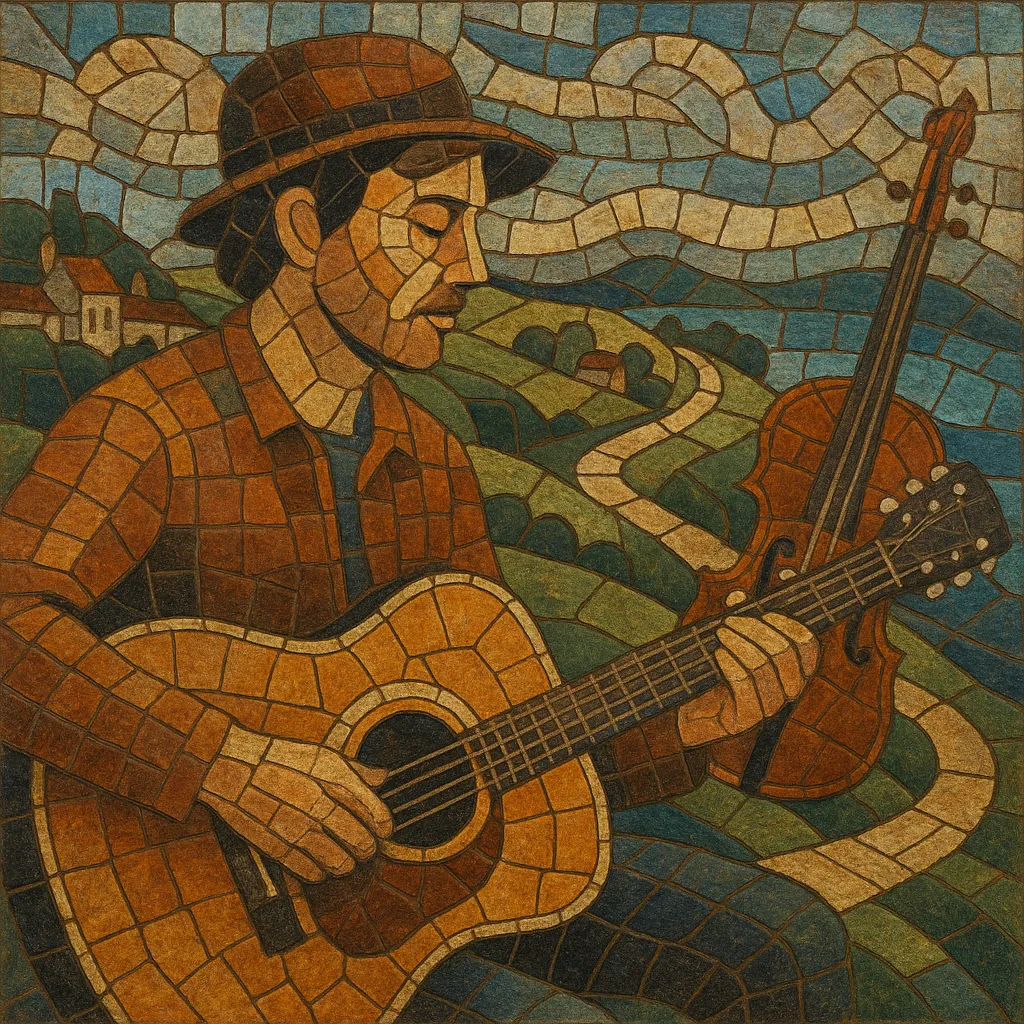
UK Americana is the British take on Americana’s blend of country, folk, blues, and roots rock, filtered through a distinctly UK songwriting sensibility. It keeps the genre’s hallmarks—acoustic-forward arrangements, road-worn storytelling, and organic, live-in-the-room production—while drawing on the British folk tradition’s modal colors, fingerstyle guitar, and understated vocal delivery.
In practice, UK Americana favors close vocal harmonies, pedal steel or fiddle ornamentation, and rhythm sections that swing gently between train beats, shuffles, and waltzes. Lyrically it often exchanges American place-names and frontier mythos for British imagery—motorways, coastlines, terraced streets, and pub corners—creating songs that feel rooted, reflective, and quietly anthemic.
History
British artists have long engaged with American roots idioms—from skiffle and folk revivals to country-rock—laying groundwork for today’s UK Americana. Labels and promoters in the late 1990s and 2000s (e.g., Loose Music; Communion’s live circuits) nurtured alt-country and roots acts alongside British folk revivalists, helping a community coalesce.
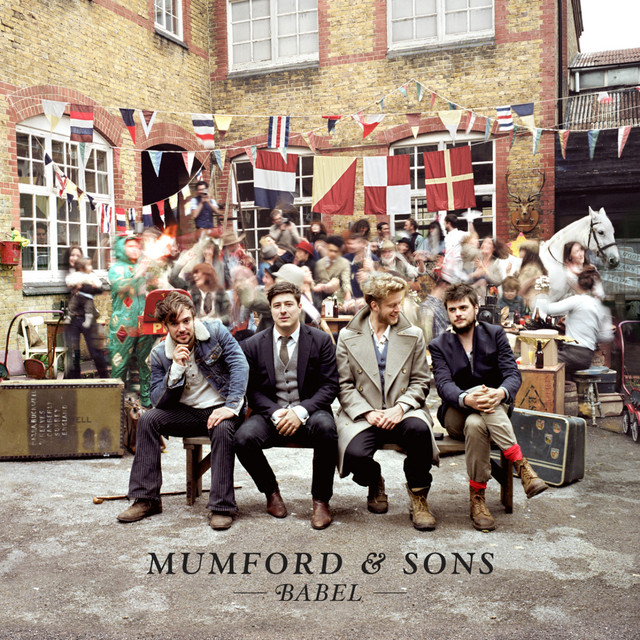
The 2010s saw the term “UK Americana” crystallize as a scene descriptor. The Americana Music Association UK (founded in 2012) and the UK Americana Awards (launched mid-decade) formalized networks between artists, venues, and media. Breakout successes by artists such as Laura Marling and Mumford & Sons brought acoustic-forward, harmony-rich roots music into the mainstream spotlight, while a broad tier of touring acts (from intimate singer-songwriters to full-band country-rock outfits) filled clubs and small theaters nationwide.
By the late 2010s, UK Americana had its own festival presence (e.g., Black Deer Festival) and regular national media support, with BBC radio and specialist press covering new releases and live sessions. Collaboration with Nashville writers, producers, and touring circuits grew common, yet many UK acts retained a distinctively British lyrical perspective and folk guitar vocabulary. Artists like Yola and Jade Bird garnered international attention, underscoring the scene’s export potential.
Today, UK Americana spans intimate indie-folk to twang-tinged rock, remaining united by organic production, narrative songwriting, and a reverence for traditional instruments. The scene continues to evolve via cross-genre collaborations, while staying anchored in live performance and craft-driven recording.

Top albums