Your digging level
Description
New Partisans is a short‑lived, mid‑1980s movement on the Yugoslav rock scene—centered in Sarajevo—that fused pop rock/power pop songcraft with elements of South Slavic folk music.
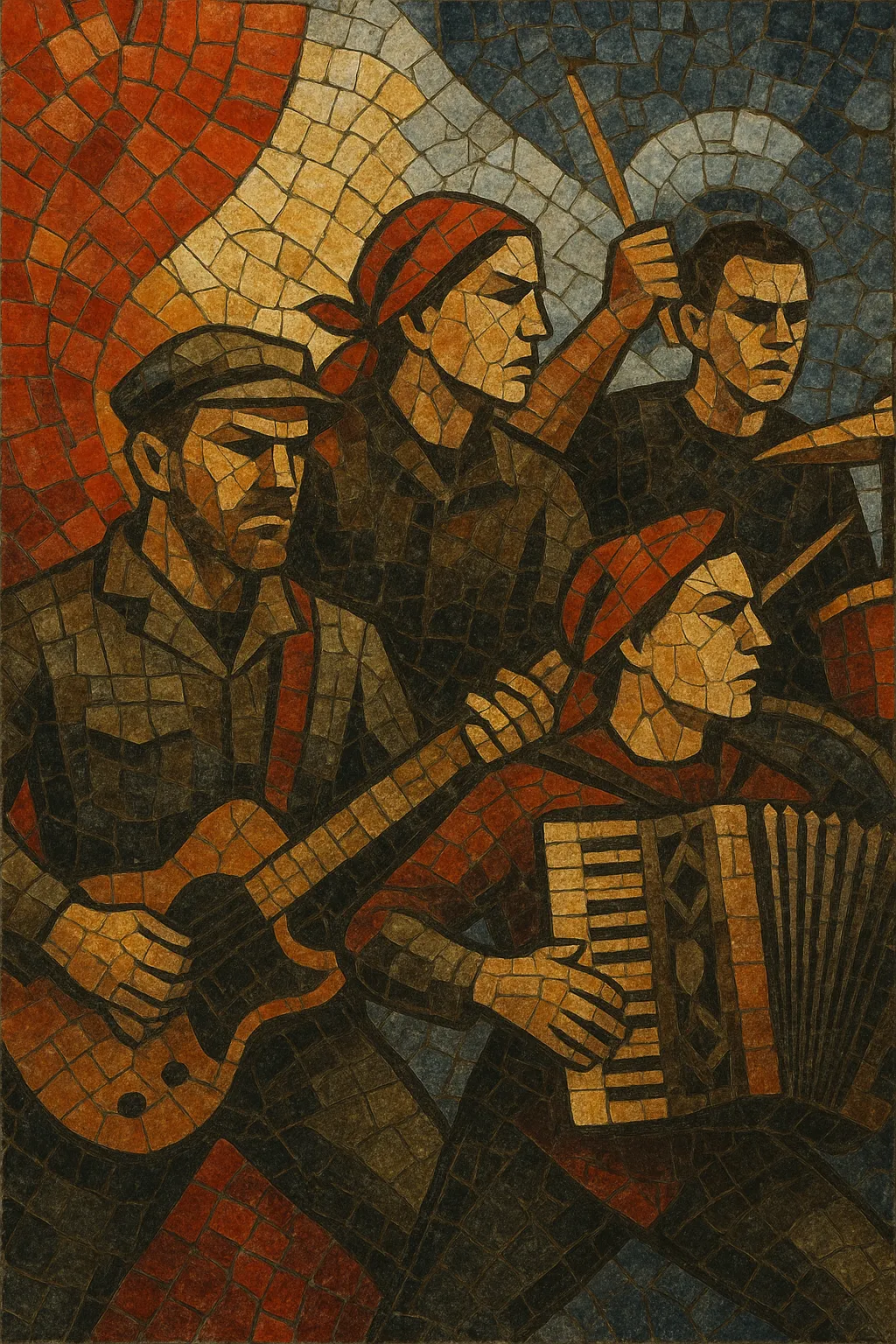
Lyrically and visually it drew heavily on the symbolism, songs, and mythology of the WWII Yugoslav Partisan movement and the late‑socialist ideal of "bratstvo i jedinstvo" (brotherhood and unity). The result was anthemic, catchy, youth‑oriented pop rock dressed in folkloric colors (march‑like rhythms, brass and accordion colors, communal choruses) and patriotic/nostalgic themes.
History
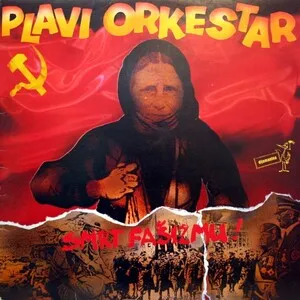
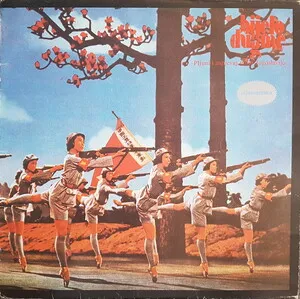
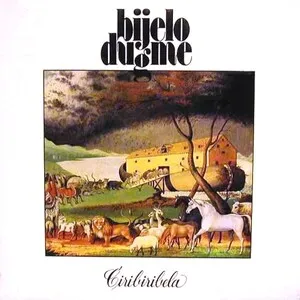
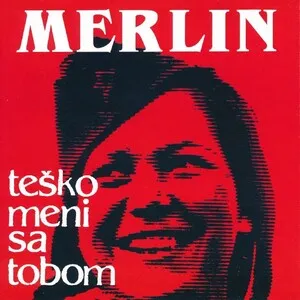
The term “New Partisans” (Novi partizani) was coined by critics to describe a cluster of Sarajevo‑based releases in the mid‑to‑late 1980s. Bands such as Bijelo Dugme, Plavi Orkestar, and Merlin refreshed mainstream Yugoslav pop rock with accessible power‑pop hooks while borrowing melodic turns, rhythms, and instrumentation from local folk traditions. Their songs and artwork re‑activated imagery from the WWII Partisan struggle and the state narrative of brotherhood and unity, reframing it for a new, urban youth audience.
Key albums by Bijelo Dugme (notably their mid‑1980s period), Plavi Orkestar’s breakout “Soldatski bal” (1985), and Merlin’s early releases showcased the movement’s core: upbeat pop‑rock grooves, sing‑along choruses, occasional march‑like beats, and folkloric timbres (brass, tamburica/accordion colors) combined with lyrics referencing camps, uniforms, slogans, and camaraderie associated with the Partisan mythos. Stage dress, videos, and cover art often reinforced those motifs.
Mass audiences across SFR Yugoslavia embraced the songs’ immediacy and communal spirit, helping these acts dominate radio and television. Critics, however, were divided: some praised the clever synthesis of folk and pop with a unifying national narrative, while others saw the phenomenon as retrograde kitsch or soft propaganda that commodified socialist symbols for late‑Cold‑War pop consumption.
The movement was brief. By the end of the 1980s—and especially with the political unraveling and wars of the early 1990s—the shared Yugoslav frame that made New Partisans legible quickly collapsed. Artists dispersed into solo careers or new styles. Yet the material remains a vivid document of late‑socialist pop modernity: a snapshot of Sarajevo’s fertile scene, the mainstreaming of folk‑pop hybridity, and a pre‑war moment of Yugoslav nostalgia that later generations revisit as “Yu‑nostalgia.”