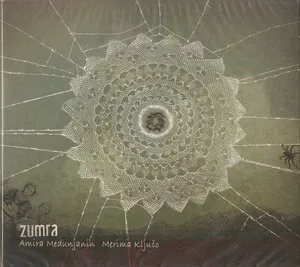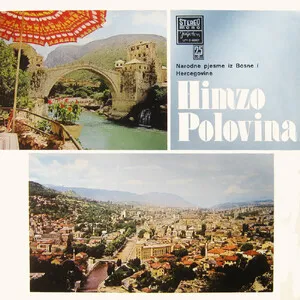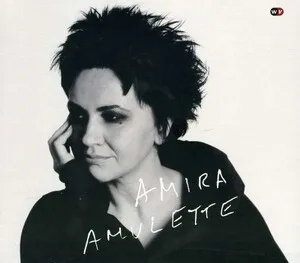
Your digging level for this genre

0/8
🏆
Sign in, then listen to this genre to level up

Description

Sevdalinka (often shortened to “sevdah”) is an urban Bosnian song tradition rooted in the Ottoman period, characterized by ornate, melismatic singing, modal (maqam-based) melodies, and a reflective, intimate atmosphere. The word sevdah derives from the Turkish sevda (love/longing), ultimately from Arabic sawda (melancholy), and the genre’s lyrics revolve around love, yearning, beauty, and urban life.

Historically performed in salons and coffeehouses, sevdalinka employs free or subtly pulsed rhythms and rich vocal ornamentation. Early accompaniment featured saz/šargija and tambura; later, accordion, violin, clarinet, and guitar became common. While traditionally strophic and voice-led, contemporary performers blend sevdah’s modal language with modern arrangements, keeping its emotive essence intact.

History

Origins (Ottoman Bosnia, 16th–18th centuries)

Sevdalinka emerged in the urban centers of Bosnia and Herzegovina (Sarajevo, Mostar, Travnik, Banja Luka) during the Ottoman era. It absorbed the modal vocabulary and vocal aesthetics of Ottoman/Turkish classical traditions and the wider maqam world, fostering a refined, salon-oriented song practice distinct from rural folk styles.

19th century urban culture

By the 1800s, sevdalinka was a hallmark of Bosnian urban life, performed in households, gardens, and teahouses. Lyrics celebrated love, longing, and understated sensuality, often referencing rivers, bridges, and city quarters. Instruments like saz/šargija and tambura accompanied the highly ornamented vocal line.

Early recordings and the radio era (20th century)

With the advent of recording and Radio Sarajevo in the 1930s, sevdalinka entered a broader public sphere. Mid‑century singers refined the idiom with careful diction, expressive rubato, and nuanced ornamentation, while accordion, violin, and clarinet became standard accompaniments. The genre achieved a golden era in socialist Yugoslavia (1950s–1970s), producing canonical interpretations that defined its sound for subsequent generations.

War, diaspora, and revival (1990s–present)

Conflict in the 1990s disrupted cultural life but also disseminated sevdalinka globally through diaspora communities. From the 2000s onward, a "New Sevdah" wave—artists and ensembles reimagining sevdah with chamber, jazz, and world-music sensibilities—revitalized the tradition. These reinterpretations keep the maqam-informed melodic contour and emotive core while modernizing harmony, texture, and stage presentation.


How to make a track in this genre

Vocal focus and delivery
•   Center the composition on a solo voice with expressive, melismatic ornamentation. Use rubato and flexible phrasing to convey longing (sevdah). •   Keep dynamics intimate; sevdah favors nuance and subtle crescendos over dramatic belting.
Scales, modes, and melody
•   Base melodies on maqam-derived modes (e.g., Hijaz, Rast, Nihavend), allowing characteristic augmented seconds and microtonal inflections where appropriate. •   Employ stepwise motion with ornamental turns, mordents, and slides; cadences often linger with a sighing quality.
Rhythm and form
•   Use strophic song form with repeating verses and a recurring refrain (if desired). •   Alternate free-meter introductions (taksim-like) with gently pulsed sections in slow 2/4 or 3/4; occasional asymmetric meters (e.g., 7/8) can appear but are not mandatory.
Harmony and accompaniment
•   Traditional: accompany with saz/šargija or tambura, later adding accordion, violin, and clarinet for coloristic lines and drones/ostinati. •   Contemporary: tasteful guitar or piano voicings may imply modal centers without heavy functional harmony; keep chords sparse to preserve the vocal line’s primacy.
Lyrics and themes
•   Write poetic texts about love, longing, beauty, and urban settings (bridges, rivers, gardens). Evoke nostalgia and restrained passion; imagery should be delicate rather than overt. •   Maintain a conversational, story-like tone; repetition and subtle variation reinforce emotional depth.
Arrangement tips
•   Begin with a short, free-tempo instrumental prelude (taksim) to establish the mode. •   Layer instruments sparingly; avoid dense textures. Let the voice guide microtiming and phrasing, with instruments shadowing or answering motifs.

Top tracks

Locked
Share your favorite track to unlock other users’ top tracks
Influenced by
Has influenced
Challenges
Digger Battle
Let's see who can find the best track in this genre
© 2025 Melodigging
Melodding was created as a tribute to Every Noise at Once, which inspired us to help curious minds keep digging into music's ever-evolving genres.
Buy me a coffee for Melodigging