Your digging level
Description
New primitivism (Novi primitivizam) is a satirical, rock‑oriented cultural and musical movement that emerged in Sarajevo in the early 1980s. It mixes the energy and simplicity of punk and new wave with local Bosnian folk color, everyday slang, and sharp, self‑deprecating humor. Rather than celebrating technical virtuosity, it foregrounds a down‑to‑earth, "street" authenticity and a mischievous critique of social pretensions.
Musically, it relies on straightforward rock instrumentation—guitars, bass, drums, occasional keyboards—while freely borrowing melodic turns and storytelling style from sevdalinka and other regional folk idioms. Lyrically, songs are packed with witty narratives, radio‑skit banter, and characters from urban neighborhoods, using the Sarajevo dialect to lampoon bureaucracy, elitism, and pop‑culture trends. Closely tied to radio and TV satire (notably Top lista nadrealista), the movement became a defining facet of the Sarajevo pop‑rock school within the former Yugoslavia.
History
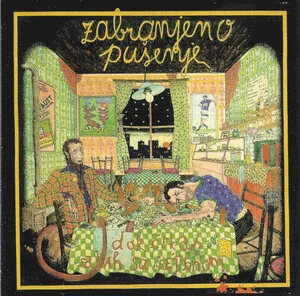
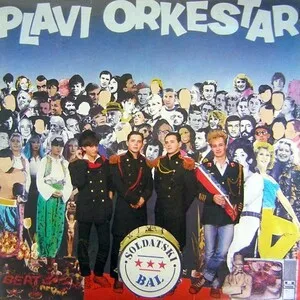
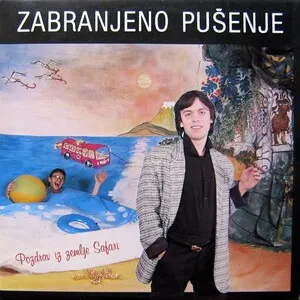
New primitivism took shape in Sarajevo (Bosnia and Herzegovina, then SFR Yugoslavia) at the start of the 1980s. A circle of friends and collaborators around Radio Sarajevo embraced a tongue‑in‑cheek identity of being "primitives"—a jab at the perceived elitism of art rock and the intellectual pose of some new‑wave circles. Bands such as Zabranjeno Pušenje, Elvis J. Kurtović & His Meteori, and Bombaj Štampa formed the core, favoring unpretentious rock grooves, neighborhood storytelling, and the Sarajevo dialect.
The movement’s sensibility spread through radio sketches and, later, the TV phenomenon Top lista nadrealista, which fused music, absurdist humor, and social satire. Zabranjeno Pušenje’s debut album “Das ist Walter” (1984) crystallized the sound and attitude: concise rock structures, witty monologues, and local references. Occasional controversies—most famously a misunderstanding over the word “Maršal” (interpreted as referencing Tito)—only amplified the movement’s notoriety and anti‑pretension stance.
By the mid‑1980s, New primitivism was a recognized strand of the Sarajevo pop‑rock school, touring across Yugoslavia and appearing in mainstream media. The groups maintained a distinctive mix of punkish directness, folk melodic inflections, and comedic theater, keeping the focus on everyday life and urban characters rather than grand political manifestos.
The Yugoslav wars disrupted the scene; members dispersed, and bands split or morphed into new projects (notably Emir Kusturica & The No Smoking Orchestra, a branch carrying some of the humor and Balkan‑folk/rock fusion forward). Despite the rupture, New primitivism left a lasting imprint on ex‑Yugoslav pop‑rock humor, TV satire, and the practice of blending local folk flavor with contemporary rock attitude. Its ethos—irreverent, vernacular, and proudly unpolished—continues to influence comedic rock and hybrid Balkan rock projects.
Use a classic rock setup: electric guitar (rhythm and simple riffs), bass, drums, and optional keyboards. Keep tempos mid‑tempo to brisk and rely on a punchy, unfussy backbeat. Favor clear song forms (verse–chorus with bridges) and leave space for spoken asides or comedic interjections.
Write tunes that sit comfortably in rock modes but occasionally lean into sevdah‑like melodic contours (minor key inflections, expressive ornamentation at phrase ends). Harmonies should be straightforward (I–IV–V, ii–V–I, or minor i–VI–VII), with occasional modal moments. Consider sprinkling in folk timbres (accordion, acoustic guitar, or clarinet), but keep the overall texture anchored in a garage‑rock/new‑wave directness.
Build songs around witty, slice‑of‑life vignettes featuring neighborhood characters, small absurdities, and soft social critique. Use colloquial Bosnian/BCMS phrasing, Sarajevo slang, and humorous wordplay. Balance sung lines with brief spoken skits or mock announcements. The vocal delivery should be expressive yet conversational, projecting warmth and irony rather than grandiosity.
Keep arrangements compact and dynamic: short intros, quick hooks, occasional gang vocals for jokes or catchphrases. Embrace a slightly raw sound—imperfection supports the anti‑pretension ethos. On stage, integrate comedic timing, mock‑serious banter, and visual gags to blur lines between concert and sketch comedy.
Avoid overproduction; a live, radio‑friendly mix suits the style. Let guitars and vocals sit forward, with drums dry and tight. If adding folk instruments, tuck them in as color rather than virtuosic leads, unless a brief comedic spotlight serves the narrative.