Your digging level

For this genre
0/8
🏆
Sign in, then listen to this genre to level up

Description

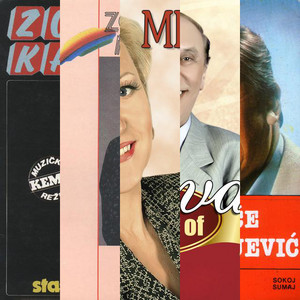
Narodna muzika (literally “people’s music”) is the umbrella term for the folk-derived popular music tradition of the former Yugoslavia, encompassing Serbian, Bosnian, Croatian, Macedonian, Montenegrin, and Slovenian regional styles. In mid‑20th‑century broadcasting and recording, it came to mean a commercialized yet tradition‑rooted idiom that preserved village tunes, sevdah ballads, and dance music while adapting them for urban audiences.

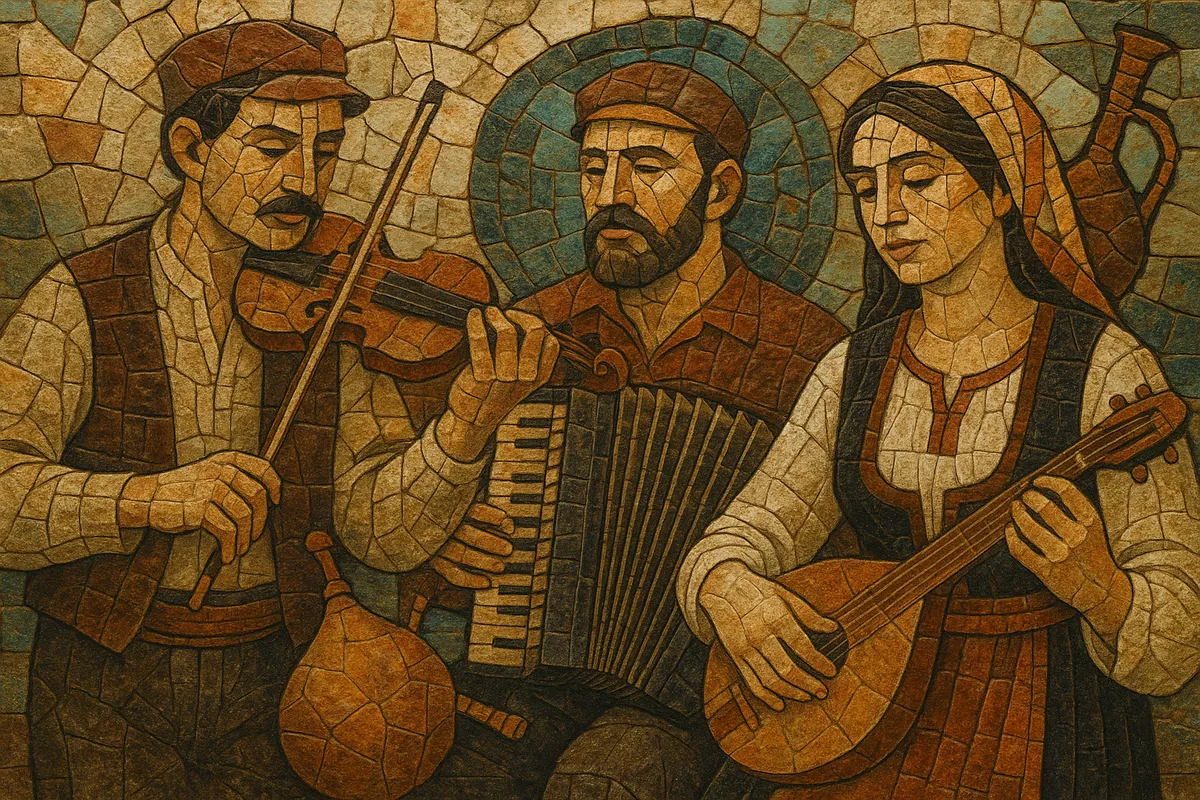
Its sound blends asymmetric Balkan meters, modal melodies with oriental (maqam/Hijaz) inflections, and highly ornamented vocals. Typical instruments include accordion, violin, clarinet, tamburica ensembles, frula (shepherd’s flute), gajde (bagpipes), tapan/davul and darbuka, with regional brass bands also prominent in parts of Serbia and Macedonia. By the 1970s–80s, studio orchestras and later synthesizers standardized arrangements for radio and “kafana” (tavern) stages, producing a repertoire of dance tunes and poignant love/nostalgia ballads.


Sources: Spotify, Wikipedia, Discogs, Rate Your Music, MusicBrainz, and other online sources

History

Origins and Consolidation (1950s–1960s)

Post‑WWII radio networks and state labels such as PGP RTB and Jugoton documented and curated village repertoires across Yugoslavia. Under the rubric “narodna muzika,” producers arranged traditional songs for small studio ensembles, featuring accordion, violin, clarinet, tamburica, and folk percussion. Early stars popularized sevdah‑tinged ballads and lively dance tunes, bringing rural idioms into urban cafés and national festivals (e.g., Ilidža).

Golden Era and Mass Popularity (1970s–1980s)

Television variety shows and prolific cassette/LP markets spread narodna across the federation and diaspora. While preserving regional characteristics (kolo dances in Serbia, sevdalinka ballads in Bosnia and Herzegovina, oro dances in Macedonia), the sound became more standardized: arranged intros, verse–chorus forms, and polished studio orchestration. Lyrical themes foregrounded love, longing, homeland, tavern life, and migration.

Crossover and Modernization (late 1980s–1990s)

Electronic keyboards, drum machines, and bigger PA systems transformed live performance. Narodna singers increasingly crossed into pop arrangements, setting the stage for 1990s pop‑folk and turbo‑folk aesthetics. Despite sociopolitical upheavals, the classic narodna repertoire remained central at celebrations—weddings, slavas, and community gatherings—maintaining a shared cultural memory.

Legacy and Contemporary Presence (2000s–present)

Reissues, televised folk competitions, and digital platforms revived interest in classic catalogues. Younger performers blend narodna melodic vocabulary and asymmetric meters with pop, rock, or EDM elements. The canon continues to function as a living tradition—adaptable yet instantly recognizable through its vocal ornamentation, modal color, and dance‑ready grooves.

How to make a track in this genre

Core Sound Palette
•   Instruments: accordion (lead harmony/melody), violin and clarinet (counter‑melodies/ornaments), tamburica ensemble (rhythmic/harmonic bed), frula or gajde for folk color, tapan/davul or darbuka for groove; add brass (trumpet, tuba) in southern/central Serbian and Macedonian aesthetics. •   Vocals: strong, chest‑forward timbre with melismatic turns, mordents, and portamenti; frequent call‑and‑response or duet refrains.
Rhythm and Groove
•   Use asymmetric meters common to the Balkans: 7/8, 9/8, 11/8; also 2/4 for kolos and brisk dances. •   Percussion patterns emphasize additive groupings (e.g., 2+2+3 in 7/8) and off‑beat darbuka accents; bass (tuba or synth) reinforces downbeats.
Melody and Harmony
•   Melodic modes often reflect Hijaz/maqam color (raised second; augmented seconds), Dorian, or harmonic minor. Lean on narrow‑range motifs expanded with ornamentation. •   Harmony is functional but sparse: I–IV–V and minor i–VII–VI movements; occasional Phrygian‑flavored cadences. Drone fifths from tamburica or accordion can add folk authenticity.
Form and Arrangement
•   Common structure: short instrumental intro (accordion/clarinet), two verses with a memorable chorus, instrumental break featuring violin or accordion solo, final chorus repeats. •   Layer parts gradually: start with tamburica/accordion and vocal; add percussion and counter‑melodies; finish with communal claps/shouts for dance sections.
Lyrics and Themes
•   Focus on love, heartbreak, homesickness, village/urban contrasts, tavern life (kafana), seasonal cycles, and family rites. Aim for direct, image‑rich language and sing‑along refrains.
Production Tips (Modern Settings)
•   Blend live folk instruments with subtle synth pads and programmed percussion to modernize without losing character. •   Preserve vocal intimacy and ornament detail with close miking and light compression; use plate/room reverbs to emulate TV/radio classic ambience.

Top tracks

Locked
Share your favorite track to unlock other users’ top tracks
Influenced by
Has influenced
Challenges
Digger Battle
Let's see who can find the best track in this genre
© 2026 Melodigging
Melodding was created as a tribute to Every Noise at Once, which inspired us to help curious minds keep digging into music's ever-evolving genres.
Buy me a coffee for Melodigging