Your digging level for this genre

0/8
🏆
Sign in, then listen to this genre to level up

Description

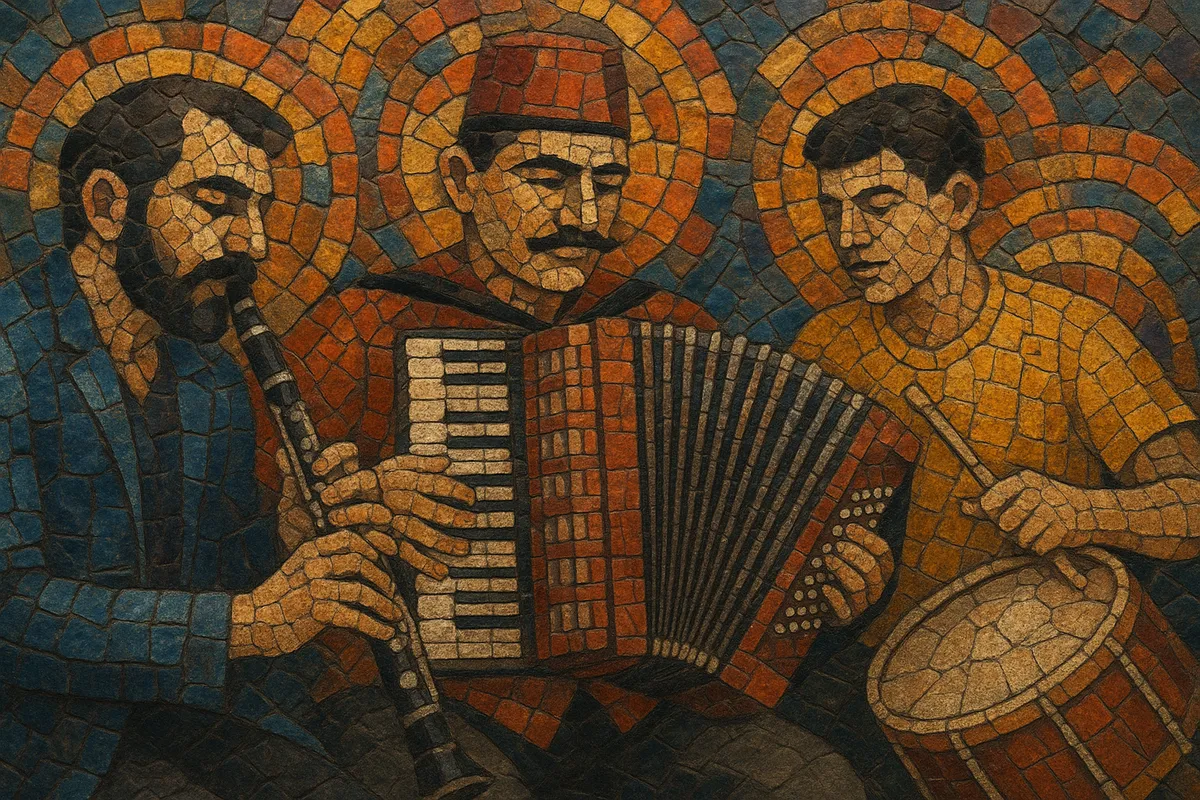
Balkan beats is a DJ‑driven club style that fuses high‑energy Balkan brass and Romani folk melodies with contemporary electronic dance rhythms. Typical sets and productions splice horn riffs, accordion/clarinet lines, and tapan/darbuka grooves into breakbeat, big beat, house, drum and bass, and hip‑hop frameworks.

The sound emphasizes odd‑meter dance feels common in the Balkans (7/8, 9/8, etc.), punchy kick–snare patterns, and celebratory call‑and‑response hooks. Emerging from Berlin’s diasporic nightlife and parallel scenes in Vienna and Paris, it thrives on remixes, bootlegs, and live–DJ hybrids that keep a brass‑band party energy on a club sound system.

History

Roots (late 1990s)

The seeds of Balkan beats were planted in late‑1990s Berlin, when immigrant and post‑Yugoslav diaspora communities brought Balkan brass and Romani dance music into underground clubs. DJ Robert Soko’s “BalkanBeats” nights popularized the practice of mixing traditional horn tunes with breakbeats and club grooves, translating wedding‑band energy to the dance floor.

Breakthrough (2000s)

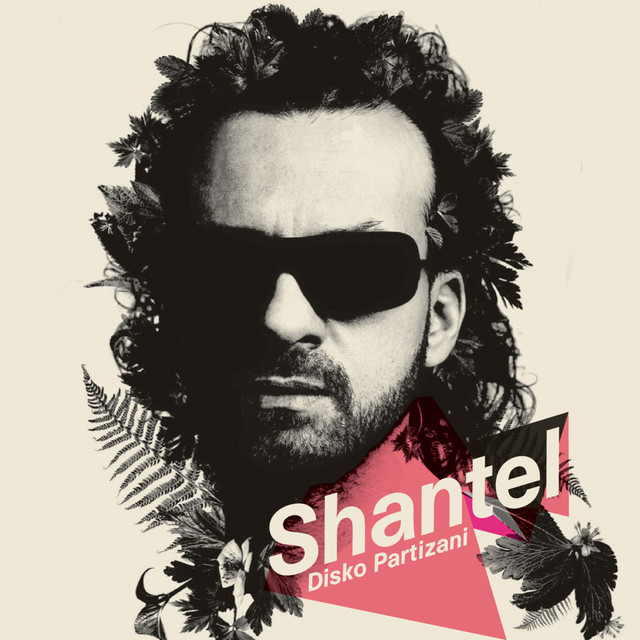
In the 2000s the style spread rapidly across Europe. Shantel’s Bucovina Club parties and productions (culminating in the crossover hit "Disko Partizani" in 2007) became emblematic, while labels such as Asphalt Tango connected producers with bands like Fanfare Ciocărlia and Mahala Rai Banda for remix projects. Parallel acts (e.g., Balkan Beat Box) broadened the palette with hip‑hop, dub, and electronic textures, solidifying a recognizable club idiom.

Consolidation and Hybridization (2010s)

By the 2010s, Balkan beats had global visibility on festival circuits and club nights from Vienna and Paris to North America. The sound cross‑pollinated with global bass, electro‑swing scenes, and contemporary house and drum and bass, while producers from the Balkans joined European counterparts, bringing more localized rhythms and modes into polished club productions.

Today

Balkan beats remains a party‑forward, DJ‑and‑band hybrid culture. It functions both as a remix tradition—reframing folk and brass repertoire for modern systems—and as an original production scene with new songs written in Balkan modes but engineered for club dynamics.

How to make a track in this genre

Tempo and Meter
•   Use driving club tempos: 120–130 BPM for house/big‑beat feels; 90–110 BPM for hip‑hop/dub bounces; 170–175 BPM for drum and bass reinterpretations. •   Embrace Balkan odd meters (7/8, 9/8, 11/8). Common 7/8 groupings are 2+2+3 or 3+2+2. Program percussion accents accordingly so the groove remains danceable.
Rhythm and Groove
•   Layer tapan (large double‑headed drum) patterns and darbuka/riq hand‑percussion over a modern kick–snare grid. •   For four‑on‑the‑floor tracks, keep a solid side‑chain‑friendly kick; add offbeat claps and syncopated hi‑hats to mirror brass phrasing.
Melody and Harmony
•   Write brass‑friendly hooks for trumpet/clarinet/alto sax in Dorian, harmonic minor, Phrygian dominant, or Mixolydian with augmented second color. •   Use ornamentation (grace notes, turns, fast mordents) and call‑and‑response lines between brass and accordion/violin. •   Harmonic motion can be modal and vamp‑based (pedal tones, drones) with occasional dominant–tonic cadences for lift.
Instrumentation and Sound Design
•   Core palette: trumpets, clarinet, saxes, tuba/sousaphone (or synth bass), accordion, violin; augmented by tapan/darbuka plus club drums and subs. •   Sample classic brass bands (clear licensing) or record short horn stabs; resample into riffs, pitch‑bend, and slice for fills. •   Sound design favors saturated horns, roomy claps, and chesty sub‑bass; sprinkle crowd shouts/handclaps for live energy.
Arrangement and Production
•   DJ‑friendly intros/outros (16–32 bars) for mixing; build to horn‑led drops. •   Alternate between full‑band choruses and stripped breakdowns (hand percussion, drone, or vocal chant) to reset the floor. •   Use sidechain compression to let kicks breathe under dense brass; parallel saturation and subtle tape delay suit horn sections.
Vocals and Lyrics
•   If using vocals, lean into celebratory, festive, or satirical themes; multiple languages (Serbian, Romani, Bulgarian, Romanian, etc.) work naturally. •   Chant‑style hooks and crowd‑responsive refrains are effective for live/DJ settings.
Performance Tips
•   Hybrid sets (DJ + live horns/percussion) capture the style’s essence. Keep cueable edits of horn hooks for on‑the‑fly layering. •   Maintain groove clarity in odd meters with percussion accents and simple bass ostinatos so dancers can lock in.

Top tracks

Locked
Share your favorite track to unlock other users’ top tracks
Influenced by
Has influenced
Challenges
Digger Battle
Let's see who can find the best track in this genre
© 2025 Melodigging
Melodding was created as a tribute to Every Noise at Once, which inspired us to help curious minds keep digging into music's ever-evolving genres.
Buy me a coffee for Melodigging