Your digging level

For this genre
0/8
🏆
Sign in, then listen to this genre to level up

Description

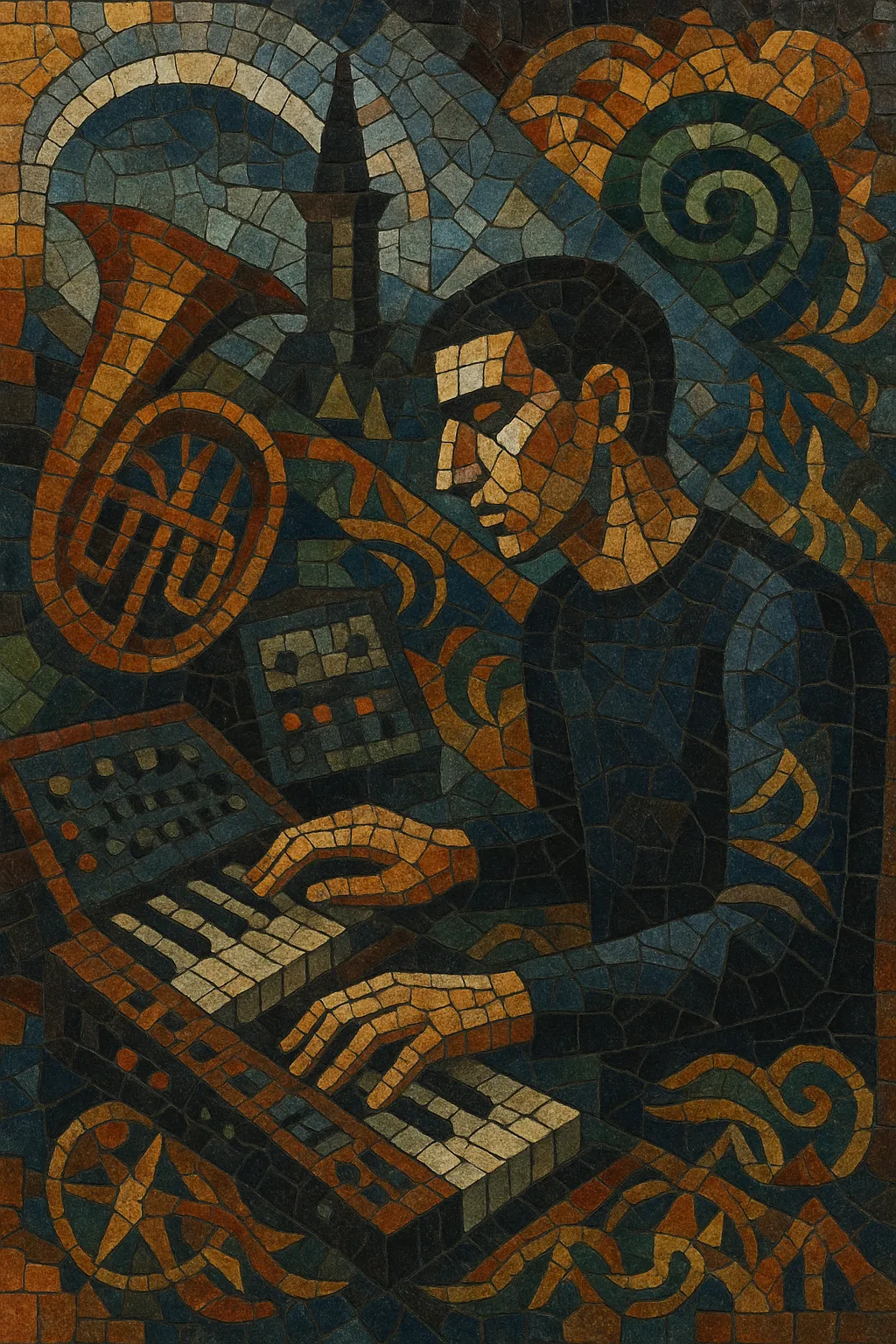
Serbian electronic is a regional scene label for electronic music produced in Serbia, spanning techno, house, progressive, psytrance, electro, and experimental styles.

It is characterized by robust club-ready rhythms, a dark and industrial-tinged sound from Belgrade’s warehouse culture, and occasional use of Balkan melodic colors, brass samples, and folk-leaning ornamentation. Producers often merge Western club idioms with local scales and rhythmic cells, resulting in tracks that feel both cosmopolitan and distinctly Balkan.

Key hubs such as Belgrade and Novi Sad—supported by clubs, independent labels, and major festivals—have helped export the sound, while a progressive psytrance wing and a groove-focused house/tech-house lane broaden its sonic palette.


Sources: Spotify, Wikipedia, Discogs, Rate Your Music, MusicBrainz, and other online sources

History

Origins (1990s)

The modern Serbian electronic scene coalesced in the 1990s around Belgrade’s clubs and radio culture during a turbulent socio-political period. DIY parties, underground warehouses, and venues such as Industrija and Akademija fostered a gritty, techno-forward sound with influences from Detroit/Berlin techno, early house, electro, and leftfield IDM. Despite regional hardship, these spaces became crucial cultural refuges and incubators for DJs and producers.

Expansion and Festival Era (2000s)

The 2000s brought visibility through festivals and stronger infrastructure. EXIT Festival (Novi Sad) and later Lovefest (Vrnjačka Banja) and No Sleep events in Belgrade helped platform local artists alongside international names. Meanwhile, labels and collectives nurtured multiple lanes: a minimal/tech-house strand, a vibrant progressive/psytrance network (with Serbia-based progressive-psy imprints and artists), and a house/electro crossover with radio-friendly hooks.

2010s–Present

In the 2010s, Belgrade’s club ecosystem (including spaces like Drugstor and Barutana) consolidated a tougher techno identity while parallel scenes—progressive/melodic techno, nu-disco/electropop hybrids, and bass-adjacent styles—flourished. Producers increasingly folded in Balkan melodic gestures (augmented seconds, Hijaz/double-harmonic flavors) and brass or folk snippets, not as pastiche but as textural identity. By the 2020s, Serbian electronic acts regularly tour internationally, and the scene’s output spans from industrial-leaning techno to festival-sized progressive trance/house, maintaining its balance of local color and global club language.

How to make a track in this genre

Tempo & Rhythm
•   Techno/tech-house lanes typically sit at 124–132 BPM; progressive/psytrance branches range from 128–138 BPM. •   Start from a solid 4/4 kick with tight, syncopated percussion. Use rolling 16th-note hats and ghosted shakers to drive momentum. •   For local flavor, experiment with Balkan rhythmic cells (e.g., 3–3–2 groupings) or occasional 7/8 motifs, but keep dance-floor usability central.
Harmony & Melody
•   Build riffs around minor, harmonic minor, Phrygian, or double-harmonic (Hijaz) colors to evoke a Balkan-tinged mood. •   Use short, modal hooks and ornamentation (grace notes, bends, portamento) rather than long chordal progressions. •   For progressive/psy, layer evolving arps, modal pads, and call-and-response motifs.
Sound Design & Instrumentation
•   Core toolkit: punchy analog/digital kick, layered claps, crisp hats, FM/VA bass, and percussive synth stabs. •   Add industrial texture (saturated drums, metallic foley, distant warehouse reverb) to echo Belgrade’s warehouse aesthetic. •   Tastefully sample or emulate brass lines and folk timbres (trumpet stabs, clarinet-like leads) for regional identity.
Structure & Arrangement
•   Techno: long-form builds, tension via filtering, polymetric percussion, and breakdowns with noise risers. •   Progressive/psy: narrative arrangements with evolving bass patterns, gated pads, and thematic re-introductions. •   Keep DJ-friendly intros/outros and coherent energy arcs for club use.
Vocals & Lyrics
•   Use sparse vocal chops in Serbian or neighboring languages; process with delays, formant shifts, and granular textures. •   In pop-leaning tracks, integrate toplines influenced by ex-Yu pop or turbo-folk phrasing while retaining club foundations.
Mix & Master
•   Prioritize a weighty, controlled low end; carve space for kick-bass interplay. •   Use parallel saturation and harmonic exciters for presence; maintain headroom and tight stereo imaging for big-system translation.

Top tracks

Locked
Share your favorite track to unlock other users’ top tracks
Influenced by
Has influenced
Challenges
Digger Battle
Let's see who can find the best track in this genre
© 2026 Melodigging
Melodding was created as a tribute to Every Noise at Once, which inspired us to help curious minds keep digging into music's ever-evolving genres.
Buy me a coffee for Melodigging