Your digging level
Description
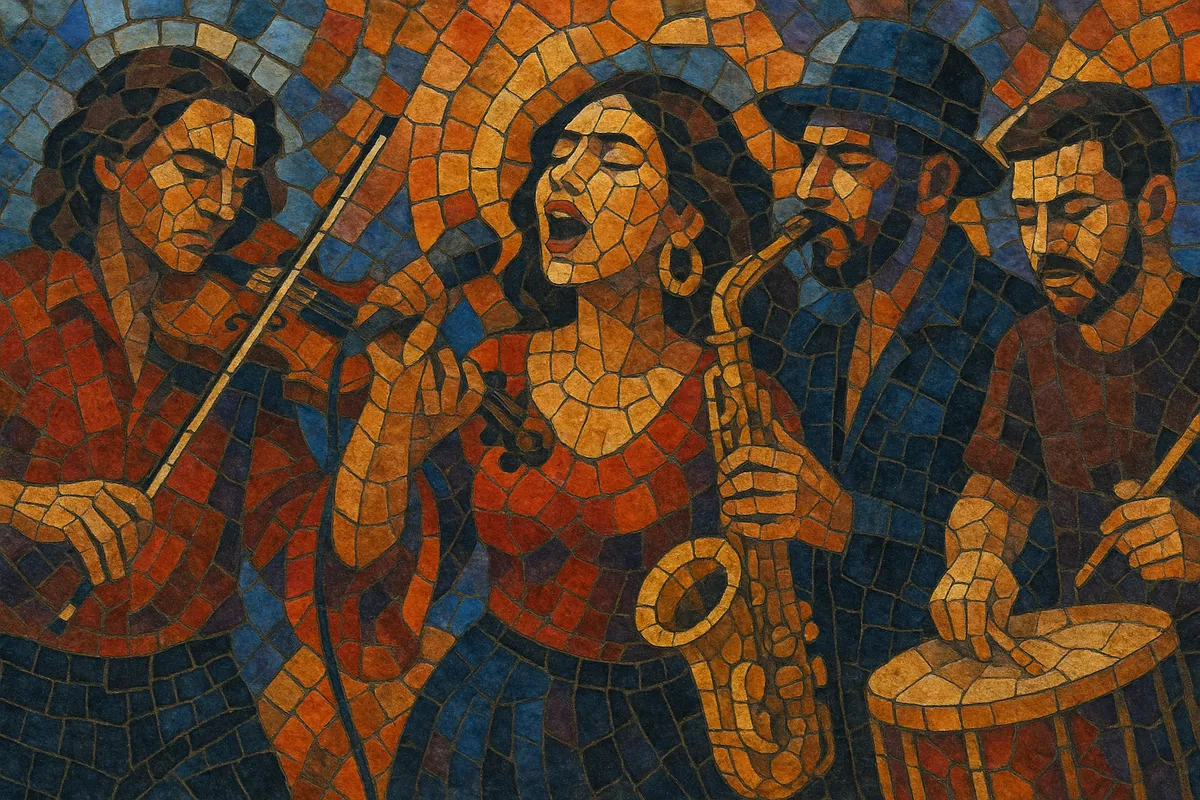
Gypsy fusion is a contemporary crossover style that blends traditional Romani ("Gypsy") music—fiddles, cimbalom, clarinet, and brass bands—with modern genres such as electronic dance music, rock, hip hop, and jazz.
It retains the expressive vocals, modal melodies, and propulsive dance rhythms of Romani and Balkan traditions, but places them into club-ready grooves, amplified band settings, and studio-produced frameworks. The result ranges from euphoric brass-driven dance tracks to emotionally-charged ballads with lush electronics and cinematic arrangements.
The style is closely associated with the post-1990s world-music boom and the opening of Eastern European scenes to global audiences, with Berlin, Paris, Bucharest, and New York becoming key hubs for experimentation and collaboration.
History
After the fall of communism, Eastern European Romani and Balkan ensembles began touring more widely, and Western club and festival circuits embraced their sound. Producers and bands started mixing lăutar traditions, Balkan brass, and Romani song with amplified guitars, drum kits, and early sampling. This period set the template for “gypsy fusion”: acoustic virtuosity meeting contemporary production.
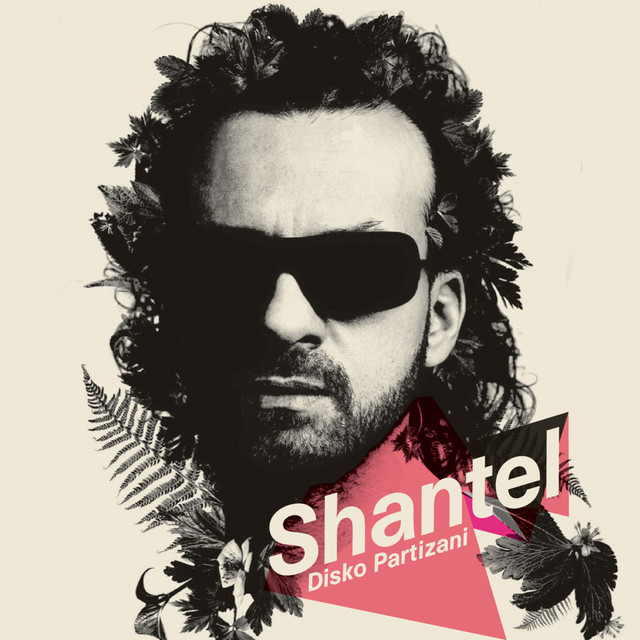
In the early 2000s, DJs and bands popularized high-energy blends in European nightlife. Shantel’s Bucovina Club parties and releases helped define a club-oriented aesthetic, while acts like Mahala Rai Banda, Fanfare Ciocărlia, and Taraf de Haïdouks collaborated across borders, bringing traditional repertoires into modern studios. Parallel scenes in New York and Tel Aviv (e.g., Gogol Bordello, Balkan Beat Box) amplified the style with punk, rock, and hip hop.
As the sound spread, electronic producers folded Romani melodies and asymmetric Balkan meters (7/8, 9/8, 11/8) into house and breakbeat frameworks. Brass bands adopted contemporary backlines, and singer-led projects wove Romani vocal ornamentation into pop structures. Film soundtracks and festival culture further widened the audience, while collaborations connected Romani styles with klezmer, Middle Eastern, and Mediterranean traditions.
Gypsy fusion thrives in festival circuits and world/alternative club scenes. It remains fluid—equally at home on acoustic stages and in electronic venues—while continuing to foreground the emotion, virtuosity, and dance energy of Romani musical heritage.