Your digging level
Description
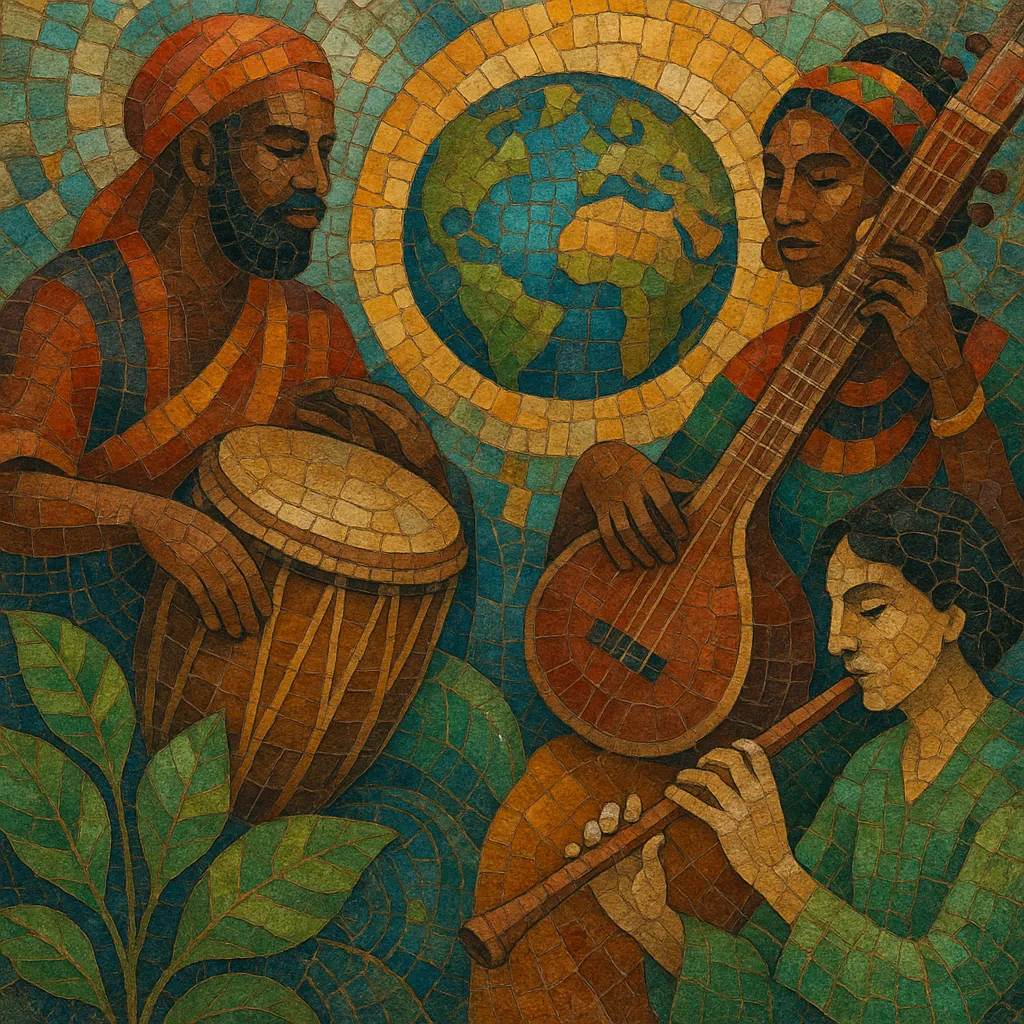
World music is a broad, industry-coined umbrella for traditional, folk, and contemporary popular styles from around the globe that fall outside the Anglo-American pop mainstream. The label emerged in the 1980s as a retail and marketing category to group diverse regional musics for international distribution.
Musically, it spans acoustic and electric instrumentation; modal, pentatonic, and microtonal pitch systems; and rhythms ranging from cyclical grooves and polyrhythms to asymmetrical meters. While the term can obscure local specificity, it also facilitated cross-cultural collaboration, festivals, and recordings that brought regional genres to wider audiences.


History
Ethnomusicology, post‑war migrations, and the 1960s folk revival broadened Western audiences' exposure to non‑Western and regional musics. Landmark figures like Ravi Shankar and Miriam Makeba toured internationally, while labels and broadcasters began issuing field recordings and curated compilations.
In the early–mid 1980s, independent labels, promoters, and retailers in the United Kingdom informally agreed on the term "World Music" to create a shared retail bin and marketing language. Festivals (e.g., WOMAD, founded 1982) and artist collaborations (e.g., Peter Gabriel’s Real World projects, Paul Simon’s Graceland, 1986) signaled a commercial bridge between regional traditions and global pop/rock audiences.
Dedicated labels (Real World, Putumayo, Ocora) and successful projects (e.g., Buena Vista Social Club) helped define a widely circulated “world music” canon. Touring circuits, world‑focused radio shows, and award categories institutionalized the tag, even as it grouped highly diverse traditions under one banner.
Downloads, streaming, and social media weakened physical-bin categories while accelerating cross‑border collaboration. Hybrids of traditional idioms with electronic, hip‑hop, and club styles flourished, and scenes such as Balkan beats and Asian underground intersected with global festival circuits.
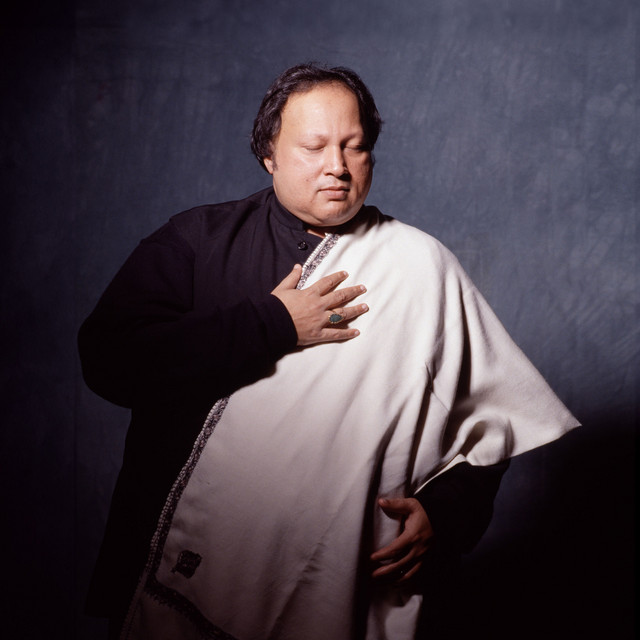
The term remains useful for discovery and programming, yet is critiqued for homogenizing distinct cultures and centering Western marketplace logics. Many artists and curators now prefer specific regional or stylistic tags (e.g., Afrobeats, Gnawa, Qawwali) or “global”/“worldwide” framing, while emphasizing equitable collaboration and context.
Start by choosing a specific cultural tradition (e.g., West African Mande, Cape Verdean morna, Qawwali, Gnawa) and study its performance practice—rhythm cycles, scales/modes, vocal style, and social context. If you blend traditions, do so transparently and respectfully, crediting sources and collaborators.
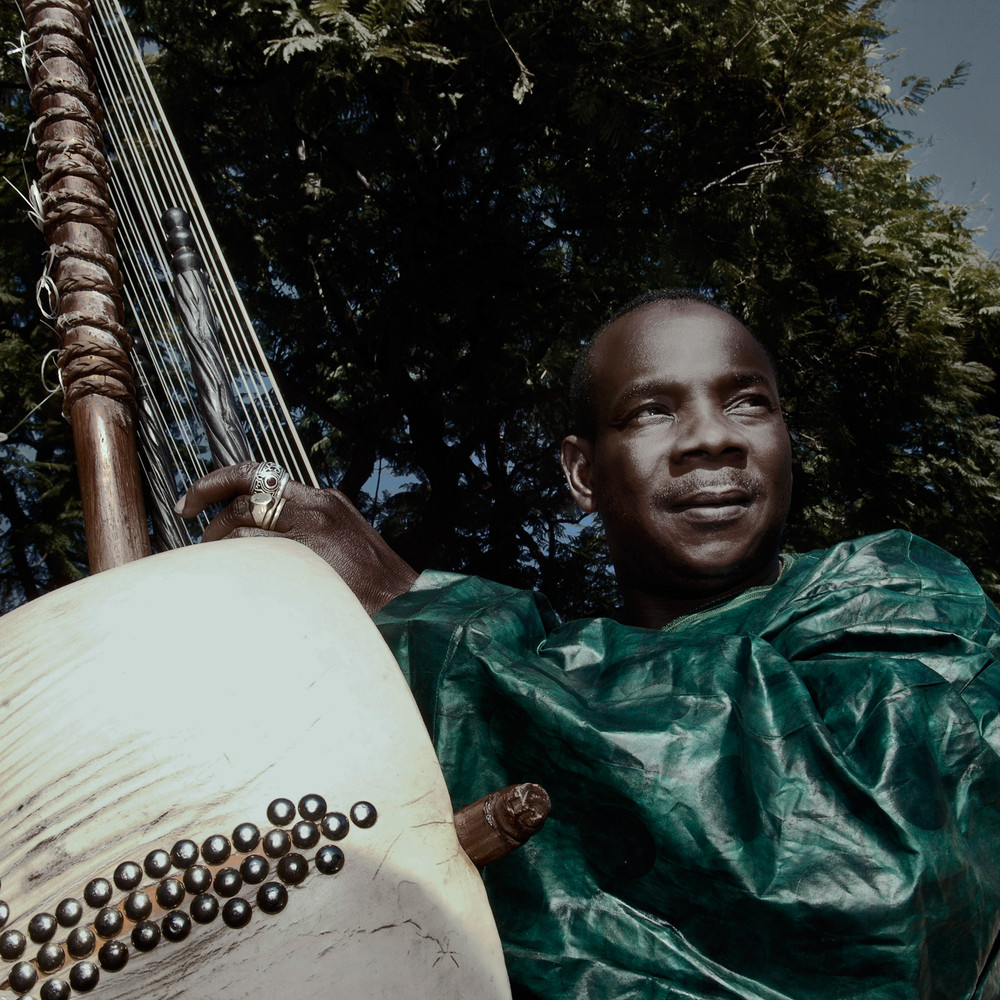
Combine core traditional instruments (e.g., kora, ngoni, balafon, djembe; oud, qanun, darbuka; sitar, tabla, bansuri; kaval, gadulka; accordion, charango) with contemporary tools (electric bass, guitar, keyboards, samplers). Record acoustic timbres clearly; preserve performance nuances such as microtones, ornaments, and call‑and‑response.
Use cyclical grooves, polyrhythms, and regional claves (e.g., West African 12/8 bell patterns, Afro‑Cuban son/rumba clave, Maghrebi 6/8, Indian tāla). Explore asymmetrical meters common in the Balkans (7/8, 9/8, 11/8). Layer hand percussion and frame drums to articulate form and dynamic builds.
Favor modal writing over functional harmony when appropriate: pentatonic, maqam, raga, anhemitonic or hemitonic scales. Support drones with tanpura/strings or synth pads. Use hovering triads, parallel fifths, or pedal tones rather than rapid chord changes; let modality and ornamentation carry emotional color.
Embrace native languages, dialects, and traditional poetic forms. Employ antiphonal textures, group refrains, ululation, melisma, or overtone techniques where idiomatic. Translate or contextualize texts in liner notes or live introductions to honor meaning.
Leave space for soloing and cyclical development; use sectional growth (intro–groove–call/response–solo–final refrain). Blend close acoustic miking with room ambience; avoid over‑quantizing if it erases feel. If using electronics, sidechain lightly to keep percussion forward and preserve dynamic micro‑timing.
Work with culture bearers; co‑compose and share royalties. Credit tradition names and masters in metadata. When touring or presenting, provide cultural context and avoid generic labeling—name the specific styles you are drawing from.