Your digging level
Description
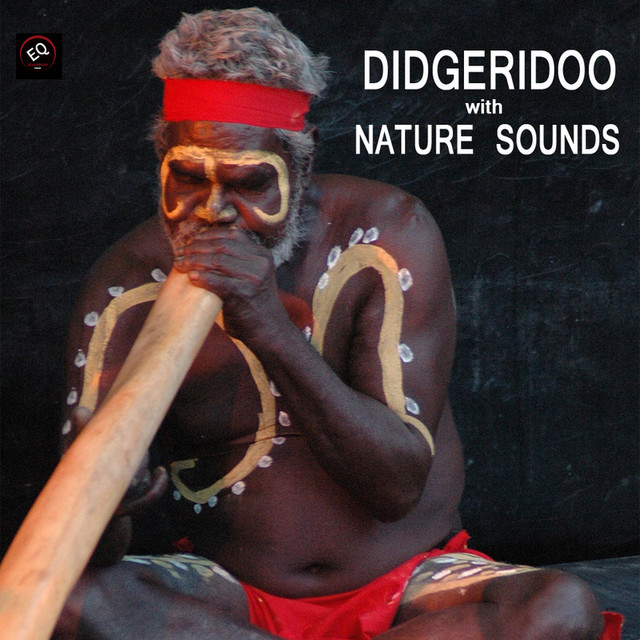
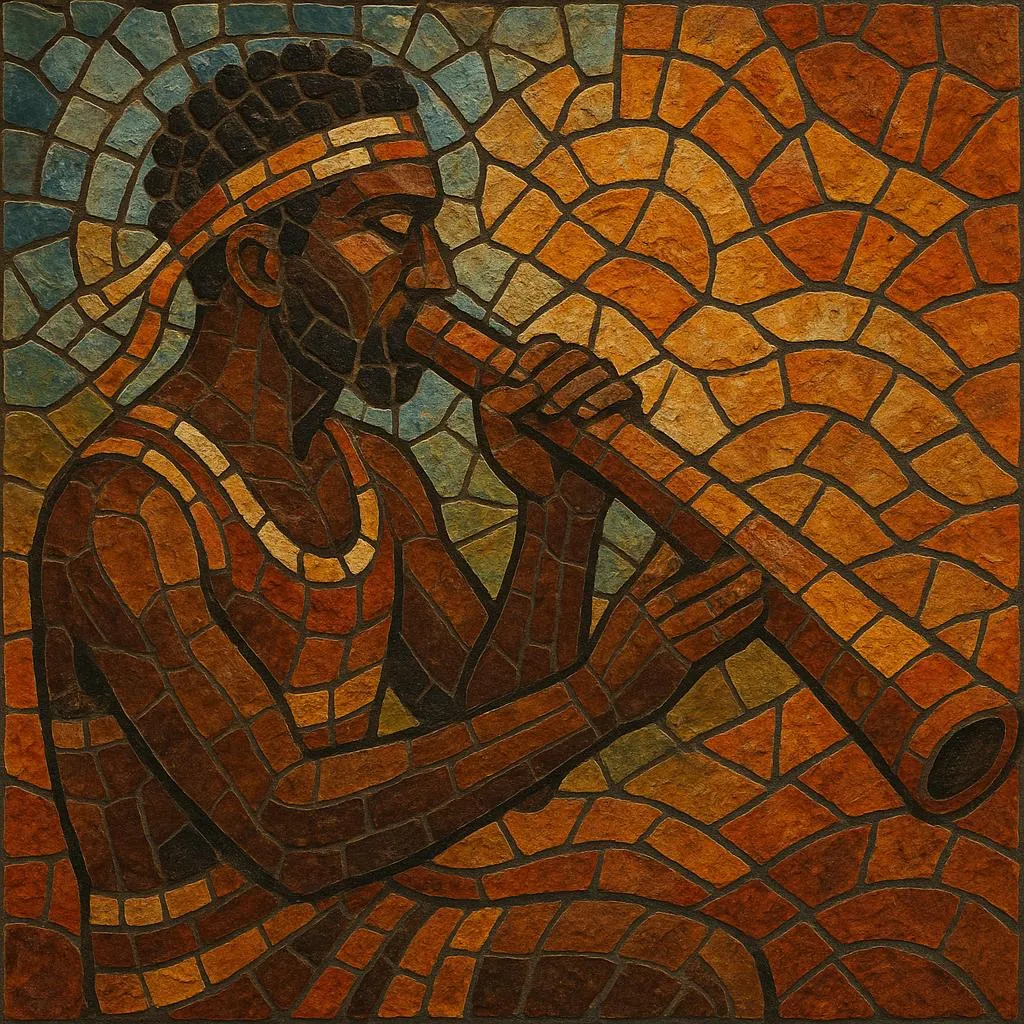
Didgeridoo music centers on the deep, continuous drone of the didgeridoo, a traditional wind instrument of Aboriginal peoples of northern Australia. The instrument is typically a hollowed eucalyptus branch, and performance relies on circular breathing to maintain an unbroken tone. Players sculpt the drone with mouth and throat shapes, add rhythmic pulse with tongue and diaphragm accents, and introduce timbral color through vocalizations and animal-call imitations.
While the instrument itself is ancient, the use of “didgeridoo” as a recorded genre label crystallized in the late 20th century when global listeners encountered both traditional ceremonial playing and contemporary, non-ceremonial styles. In this context, didgeridoo music spans from culturally rooted performances to hybrids with ambient, New Age, world-fusion, and electronic dance forms. At its core, however, the sound remains an earthy, breath-driven drone that evokes landscape, movement, and trance-like momentum.


History
Archaeological and ethnomusicological evidence suggests the didgeridoo has been played for many centuries—likely over a millennium—by Aboriginal communities in northern Australia, particularly among Yolŋu and other language groups in Arnhem Land. Within ceremonial contexts, the instrument (often called by local names such as yidaki or mako) accompanies song, dance, and clapsticks, supporting specific songlines and cultural narratives.
Ethnographers and broadcasters recorded didgeridoo playing in the early–mid 20th century, bringing the sound to wider Australian and international audiences. These field recordings and radio features introduced listeners to the instrument’s circular breathing, complex rhythmic accents, and the role of the didgeridoo in ceremony and storytelling.
From the 1980s onward, didgeridoo moved into concert halls, festivals, and recording studios beyond ceremonial settings. A new market formed around albums focused on solo didgeridoo, cross-cultural collaborations, and fusions with ambient, New Age, and worldbeat. This is the period in which “didgeridoo” began to appear as a category in record shops and catalogs—framing the instrument’s sound world as its own listening genre.
Since 2000, didgeridoo has flourished in hybrid forms—pairing with hand drums, rock bands, jazz ensembles, and electronic producers. Educational initiatives and artist residencies have helped disseminate proper technique and cultural context. At the same time, Aboriginal master players and cultural leaders emphasize protocols, language names (e.g., yidaki), and respect for custodianship, distinguishing between traditional ceremonial use and contemporary, secular performance.




Top albums

Best playlists