Your digging level
Description
Ann Arbor indie is a location-based micro-scene of U.S. indie centered on the college town of Ann Arbor, Michigan. It blends jangly guitar pop, DIY lo‑fi aesthetics, and Midwestern emo tenderness with hooky, power‑pop structures and occasional folk and shoegaze hues.
Rooted in house shows, student radio, and venues like The Blind Pig, the scene is collaborative and label‑connected (e.g., Quite Scientific; early ties to Ghostly’s local ecosystem), favoring hand‑crafted production, melodic songwriting, and reflective lyrics about small‑town/college‑town life. The sound ranges from bright, upbeat indie pop to muted, dreamy, and sentimental textures.
History
Ann Arbor’s long music heritage (from 60s rock tours to college‑town punk/indie) and University of Michigan’s campus culture fostered a fertile DIY ecosystem. By the early 2000s, basement shows, student media, and venues like The Blind Pig helped congeal a distinct indie identity. Local labels and collectives—most visibly Quite Scientific, alongside a broader local network that intersected with Ghostly’s Ann Arbor roots—gave recording and distribution outlets to emerging bands.
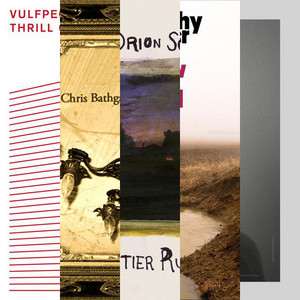
Artists such as Saturday Looks Good To Me (and Fred Thomas’s projects), Chris Bathgate, and Lightning Love set the tone: jangly guitars, intimate lo‑fi or modest studio production, and storytelling that felt unmistakably Midwestern. The scene balanced bright, power‑pop immediacy with vulnerable, diary‑like lyricism and occasional folk or shoegaze shading.
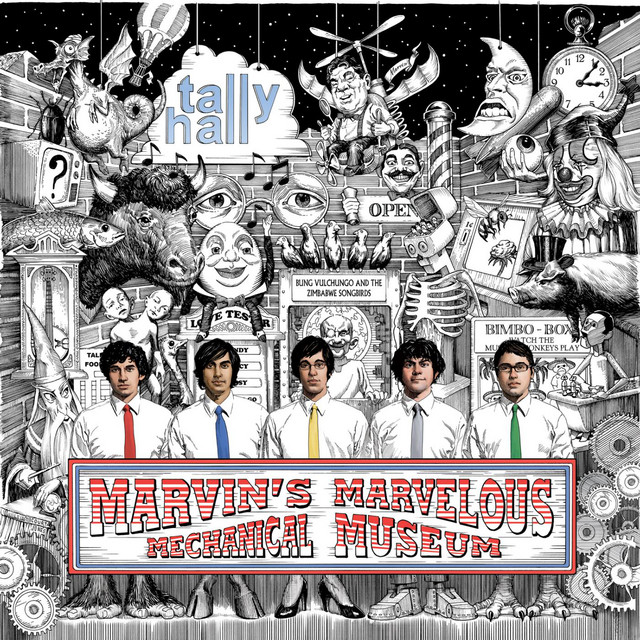
The 2010s brought a new wave that overlapped with emo/shoegaze revival currents (e.g., Pity Sex) and internet‑savvy indie pop (e.g., Tally Hall’s cult following). Streaming platforms and social media turned “Ann Arbor indie” into a recognizable micro‑tag, allowing local releases and campus‑born projects to travel far beyond Southeast Michigan.
Ann Arbor indie remains a rotating constellation of student‑formed bands, alumni projects, and townie mainstays. The sound continues to be melodic, collaborative, and DIY‑minded—often recorded in small studios or bedrooms, shared through Bandcamp and college radio, and performed in intimate rooms that keep the community feel intact.