Your digging level
Description
Michigan folk is a regional strand of American folk rooted in the state’s logging camps, Great Lakes maritime culture, immigrant communities, and later coffeehouse and festival circuits.
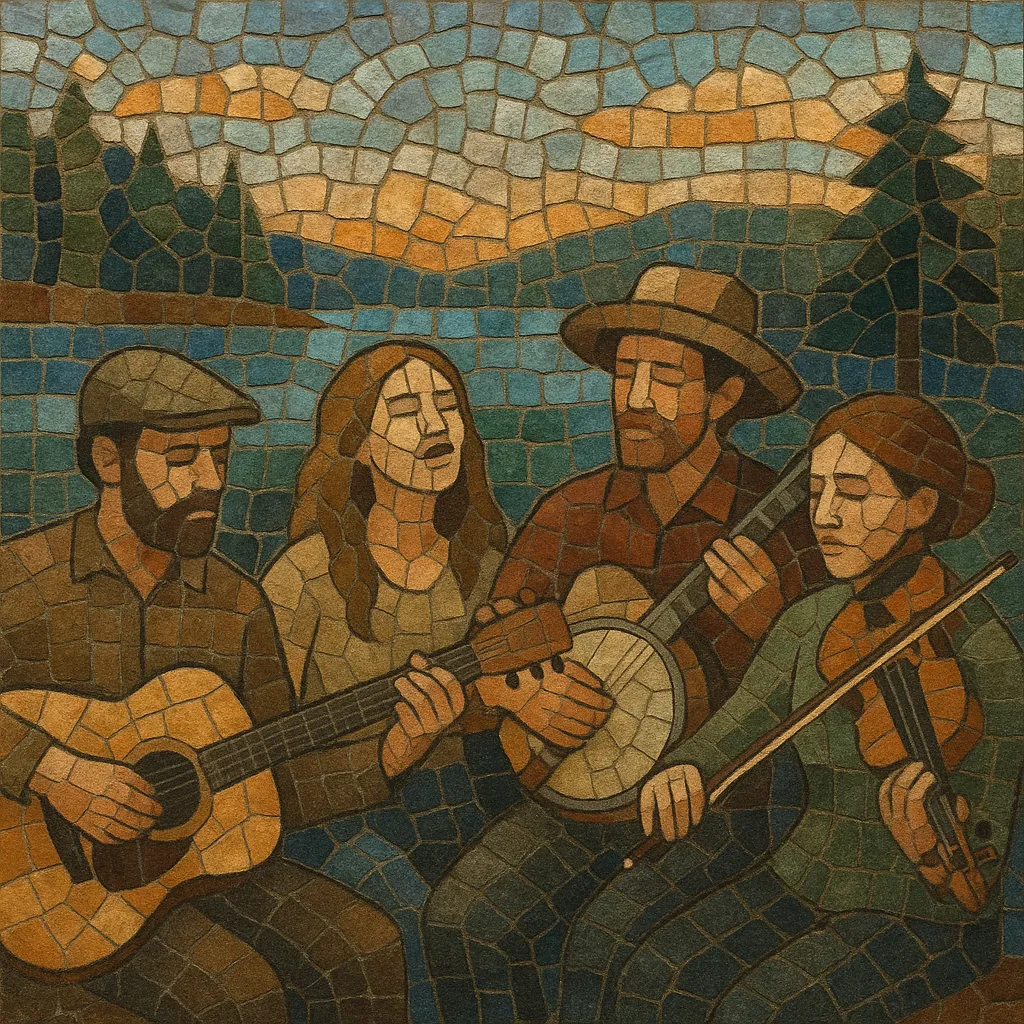
It blends traditional balladry and work songs with singer‑songwriter craft, often featuring acoustic guitar, fiddle, banjo, mandolin, and tight vocal harmonies. Stylistically it draws on British Isles ballads, Canadian and Upper Midwest traditions, bluegrass, blues, and gospel, while reflecting Michigan’s specific places and stories—from the Upper Peninsula’s mining and logging heritage to the lake ports and industrial towns.
Contemporary Michigan folk thrives around venues and festivals such as The Ark (Ann Arbor), Wheatland, Blissfest, Hiawatha, and Earthwork Harvest Gathering, fostering a collaborative scene where traditional repertoire, old‑time dance tunes, and original songwriting coexist.
History
Michigan folk’s foundations were laid in lumber camps, mines, and Great Lakes ports. Loggers, sailors, and immigrants (Finnish, Cornish, French‑Canadian, Polish, Scandinavian, among others) brought ballads and dance tunes that mixed with American blues, gospel, and Indigenous song traditions. Work songs, forebitters, and narrative ballads told of shipwrecks, timber drives, and hard winters.
Folklorists and local archives began to document Great Lakes songs, regional fiddle styles, and occupational balladry. By the 1960s folk revival, coffeehouses and student scenes in Ann Arbor, East Lansing, and Detroit provided stages for traditional performers and new singer‑songwriters. The Ark (founded in the 1960s) became a long‑standing anchor for the state’s acoustic music.
Statewide festivals—Wheatland (1970s‑), Hiawatha (1979‑), and Blissfest (1981‑)—helped connect old‑time musicians, song collectors, and emerging writers. Workshops, jams, and dances preserved repertoire (fiddle tunes, ballads, shape‑note hymns) while encouraging original songs with local themes.
A new generation blended indie folk and Americana with Michigan’s storytelling ethos. Collaborative projects, community labels, and gatherings (e.g., Earthwork Harvest Gathering) reinforced a regional identity centered on place‑based lyrics, environmental stewardship, and participatory performance. The result is a living tradition—traditionally grounded yet open to modern harmonies, textures, and production.