Your digging level
Description
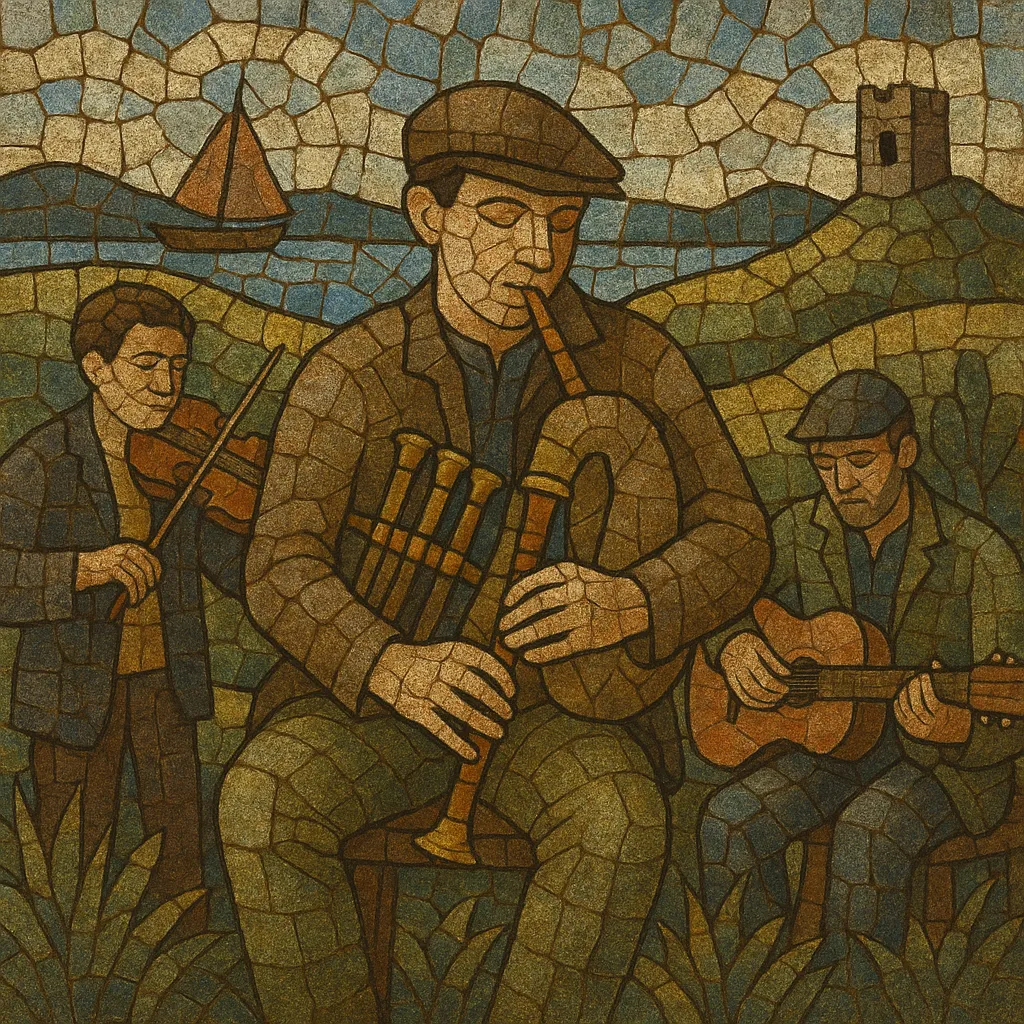
Northumbrian folk is the traditional music of Northumberland and Tyneside in the far north-east of England. It is best known for the distinctive Northumbrian smallpipes, a bellows-blown, closed-chanter bagpipe whose naturally staccato articulation shapes the region’s crisp, ornate dance tunes and variation sets.
The repertoire centers on reels, jigs, hornpipes, and slow airs alongside narrative songs in the Geordie and Northumbrian dialects. Common keys are D, G, and A for fiddle- and pipe-friendly tunings, with modes often major or mixolydian. The music balances nimble instrumental virtuosity with strong local song traditions, evoking maritime life, mining, and rural landscapes along the English–Scottish Border.
History
Northumbrian folk emerges from the dance and song traditions of the English–Scottish Border region. By the 18th and 19th centuries, the Northumbrian smallpipes—bellows-blown with a closed chanter—had taken a characteristic form, encouraging a precise, staccato style distinct from Highland piping. Fiddles, concertinas, and melodeons also carried the local dance repertoire, while dialect songs reflected keelmen, miners, and farm workers.
The publication of tune and song collections such as "The Northumbrian Minstrelsy" (1882) helped codify a regional canon of hornpipes, reels, jigs, and ballads. House-to-house music-making, village dances, and local competitions reinforced stylistic norms—especially the ornamented, tightly articulated pipe style and the dotted swing of North-East hornpipes.
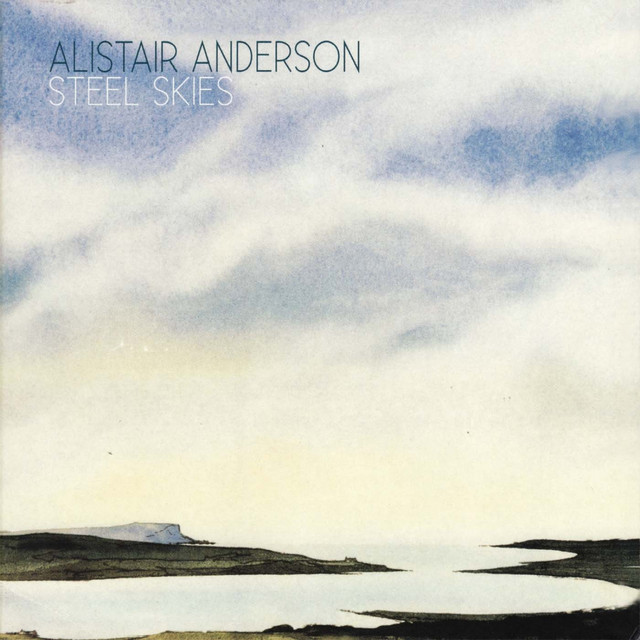
In the early–mid 20th century, influential pipers like Tom Clough and Billy Pigg, and later concertina and smallpipes advocates such as Alistair Anderson, became key tradition bearers. Local clubs and societies sustained playing standards and encouraged new compositions in the idiom, while recording technology began to document exemplary performers.
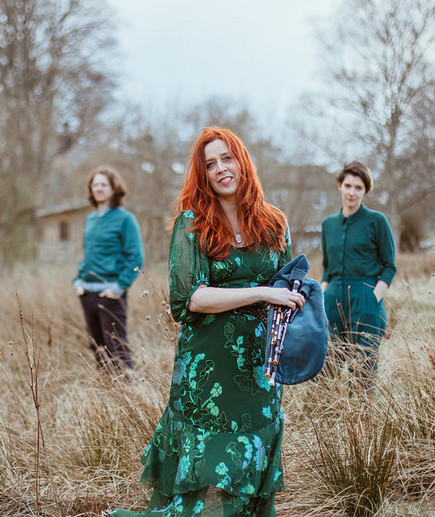
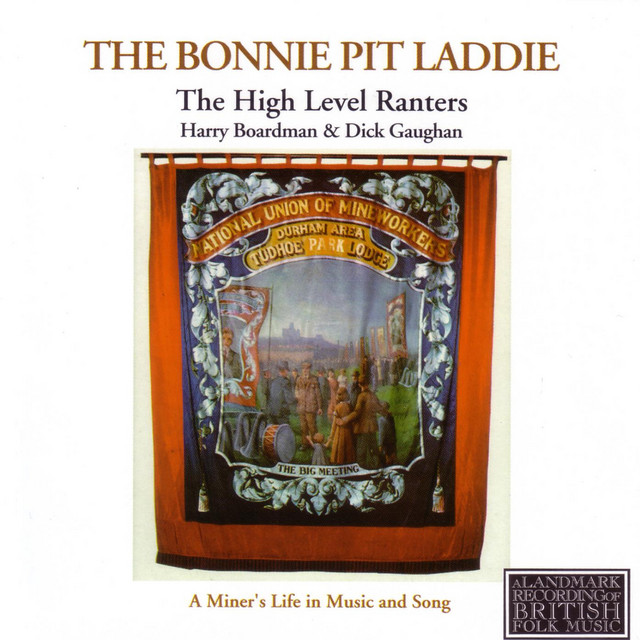
The British folk revival brought Northumbrian repertoire to wider audiences through groups like The High Level Ranters and later artists including Kathryn Tickell. Contemporary ensembles and soloists continue to expand the tradition with newly written tunes, collaborative projects, and educational initiatives. While rooted in local dance forms and dialect song, modern Northumbrian folk now circulates internationally, influencing folk-rock and contemporary concert performance.