Your digging level
Description
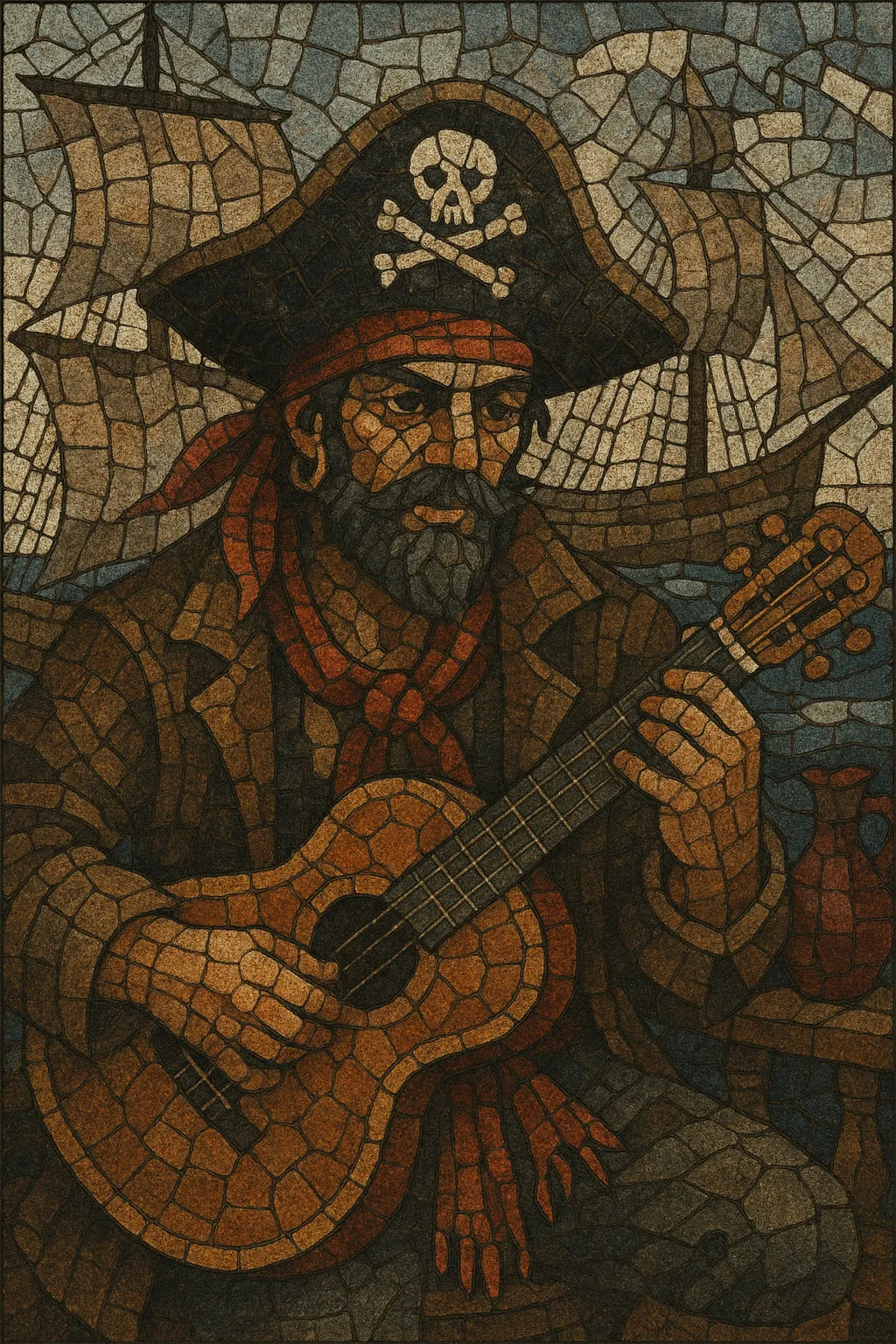
Pirate is a theatrical, folk-rooted style that centers on nautical lore, tavern singalongs, and the romanticized life of seafaring outlaws. It blends traditional sea shanties and Celtic folk instrumentation with contemporary folk-rock energy and a playful, comedic flair.
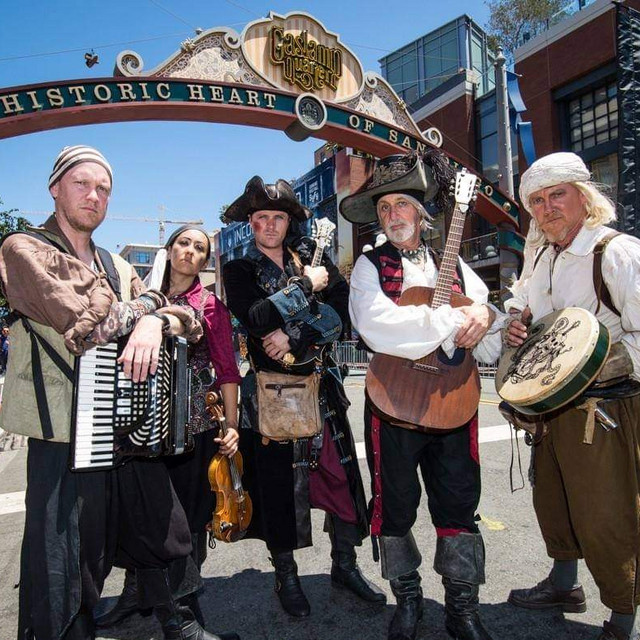
Songs are typically driven by raucous group vocals, call-and-response hooks, and stomping rhythms suited to communal singing. Accordions, fiddles, concertinas, tin whistles, mandolins, bouzoukis, and bodhráns are common, while lyrics revel in adventure, rum, camaraderie, and maritime myth. The result sits between historical reenactment and modern folk entertainment, equally at home on festival stages, Renaissance fairs, and lively pubs.
History
Pirate as a distinct scene coalesced in the 1990s within North American Renaissance-fair and folk circuits. While its repertoire drew heavily from centuries-old maritime music—particularly sea shanties and sailor ballads—the presentation emphasized character-driven storytelling, audience participation, and convivial humor. Groups began adopting pirate personas on stage, mixing traditional songs with original material that celebrated swashbuckling exploits.
The early 2000s saw a wider public appetite for nautical themes, boosted by pop-culture franchises that romanticized pirate narratives. Pirate acts expanded from fairs and pubs to dedicated festivals and club venues, often amplifying their sound with folk-rock backlines while maintaining acoustic roots and communal chorus work.
As the scene matured, artists explored adjacent styles: some leaned into high-energy folk-punk turns, others into a cappella shanty harmonies or comedic crossover (e.g., pirate-themed hip hop). Social media and video platforms helped spread participatory choruses and live footage, reinforcing the genre’s community-first ethos and singalong identity.
Pirate influenced the rise of pirate metal—sharing the same nautical aesthetic but retaining a more acoustic, folk-forward approach. Later waves of shanty revival online benefited from the groundwork laid by pirate acts, which had kept maritime music visible, festive, and accessible to new audiences.
Use acoustic, maritime-evoking timbres: accordion or concertina for sustained drones and vamping; fiddle for reels and lyrical breaks; tin whistle or flute for bright melodies; guitar/bouzouki/mandolin for rhythmic strumming; bodhrán or frame drum for a thumping, pub-ready pulse. Add hand percussion (claps, stomps) to encourage audience participation.
Favor straightforward, stompy 4/4 for drinking songs and anthems, and jig/reel feels (6/8 or 12/8) for danceable tunes. Keep tempos moderate-to-brisk, with strong downbeats and occasional halftime shout sections to cue singalongs. Call-and-response phrasing works well with “heave-ho” accents.
Use modal folk palettes (Dorian, Mixolydian) and simple, diatonic chord cycles (I–IV–V with occasional ii or bVII). Melodies should be memorable, scalar, and whistle/fiddle-friendly. Employ parallel third harmonies and stacked gang vocals in choruses to amplify communal energy.
Write in narrative stanzas about voyages, storms, battles, treasure, rum, and crew camaraderie. Sprinkle nautical jargon, toasts, and crowd-addressed refrains. Balance humor and bravado with occasional reflective verses about the sea’s dangers to deepen character and mood.
Open with a unison chant or a cappella verse to set the scene, then layer rhythm instruments and crowd claps. Alternate solo storytelling verses with full-band, gang-chorus refrains. Encourage call-and-response, teachable hooks, and theatrical asides (pirate banter, toasts) to turn the audience into the “crew.”



Top albums