Your digging level

For this genre
0/8
🏆
Sign in, then listen to this genre to level up

Description

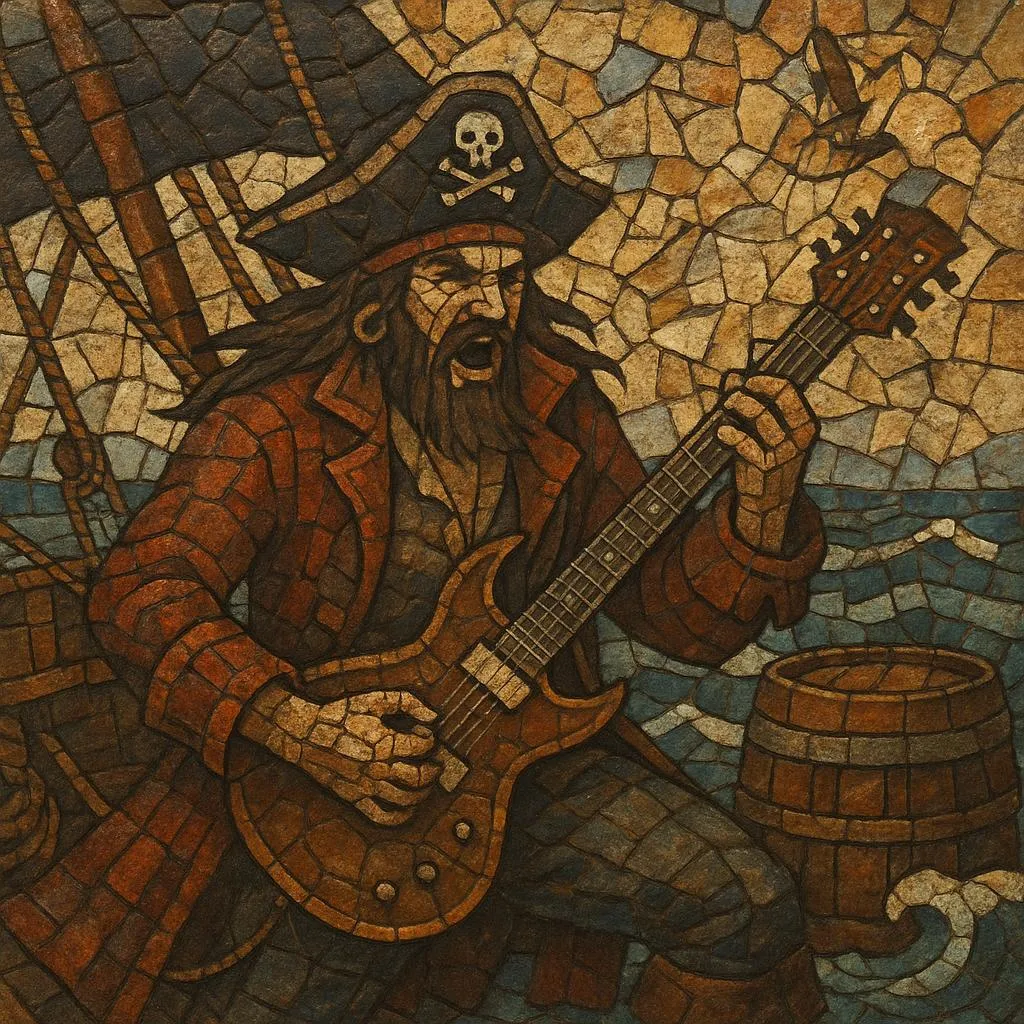
Pirate metal is a subgenre and thematic scene within heavy metal that blends metal songwriting with pirate folklore, nautical adventure imagery, and sea‑shanty or maritime folk elements.

It typically combines driving metal riffs (often borrowing from thrash metal, speed metal, and folk metal) with sing‑along choruses, shanty-like melodies, and lyrics written in piratical jargon about rum, the sea, treasure, and mutiny.

Performances frequently emphasize theatricality, including period costumes, nautical props, and audience participation, making the genre as much a live “scene” as it is a sound.


Sources: Spotify, Wikipedia, Discogs, Rate Your Music, MusicBrainz, and other online sources

History

Roots and emergence (late 1990s–2000s)

Pirate metal emerged most clearly in the 2000s as metal bands began centering pirate mythology as a consistent lyrical and visual theme rather than using it occasionally.

It developed alongside the broader rise of folk metal and power metal’s emphasis on big choruses and storytelling, while also drawing rhythmic intensity and riffing approaches from thrash and speed metal.

Consolidation into a recognizable scene (2000s–2010s)

As certain bands gained visibility, pirate metal became identifiable through recurring musical markers such as shanty-style refrains, sea‑chant rhythms, and folk instrumentation (or keyboard emulations of folk instruments).

Live shows helped solidify the “scene” aspect: costumes, nautical stagecraft, and call‑and‑response moments became common, and fans often dressed in pirate attire.

Ongoing evolution (2010s–present)

In the 2010s and beyond, pirate metal continued to diversify, with some artists leaning more heavily into folk/shanty authenticity and others emphasizing modern metal production, comedic theatrics, or power‑metal grandeur.

The genre remains strongly defined by theme and performance culture, while its musical palette ranges from thrash/speed-influenced aggression to folk‑metal and sing‑along party metal.


How to make a track in this genre

Instrumentation
•   Use a standard metal core: distorted electric guitars, electric bass, drum kit, and a strong lead vocal. •   Add folk/shanty color with concertina-style parts (real concertina/accordion or a convincing synth patch), tin whistle/flute lines, fiddle-like leads, or gang vocals. •   Consider choral layers for “crew” refrains; pirate metal often benefits from multiple voices in unison.
Rhythm and drums
•   Build energy with speed- and thrash-adjacent patterns (fast double-time, tight snare backbeats, driving kick), but leave space for stomping, march-like shanty sections. •   Alternate between aggressive verse grooves and anthem-like choruses designed for audience sing‑alongs. •   Use breaks for call-and-response chants, claps, or “heave-ho” style rhythmic hooks.
Harmony, riffs, and melody
•   Write riff-forward verses using minor keys and modal flavors common in metal (natural minor and Aeolian are typical), then pivot to major or triumphant chorus lifts when you want a celebratory, tavern feel. •   Incorporate simple, memorable melodic motifs that can be sung by a crowd; shanty-derived melodies often use stepwise motion and repeated phrases. •   Use harmonized leads (power metal influence) or folk-dance-like runs (folk metal influence) to reinforce the nautical vibe.
Song structures
•   Common approach: Intro (shanty hook) → Verse (riff-driven) → Chorus (gang vocal anthem) → Verse → Chorus → Bridge (folk/shanty breakdown) → Final choruses. •   Intros and interludes can resemble sea shanties, tavern tunes, or short instrumental “pirate jig” passages before dropping back into heavy riffs.
Lyrics and themes
•   Write in first-person “crew” perspective or narrative storytelling about voyages, treasure, naval battles, mutiny, storms, ports, and rum. •   Use piratical jargon and nautical terms, but keep the core story clear so the chorus stays accessible. •   Balance humor and bravado: pirate metal often embraces playful exaggeration while still delivering metal intensity.
Performance and production
•   Lean into theatrical staging: period costume, nautical props, and structured audience participation strengthen genre authenticity. •   In production, make choruses wide and loud (layered vocals, big drums, and clear hook instruments) so the sing‑along element feels central. •   If using folk instruments or synth emulations, place them prominently in intros/bridges and double key melodies in choruses for maximum recognizability.

Top tracks

Locked
Share your favorite track to unlock other users’ top tracks
Influenced by
Has influenced
No genres found
Challenges
Digger Battle
Let's see who can find the best track in this genre
© 2026 Melodigging
Melodding was created as a tribute to Every Noise at Once, which inspired us to help curious minds keep digging into music's ever-evolving genres.
Buy me a coffee for Melodigging