Your digging level
Description
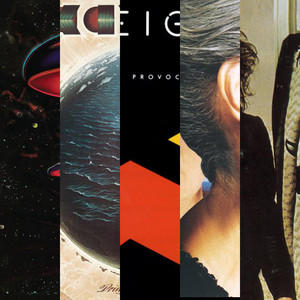
Album rock (often associated with the album‑oriented rock, or AOR, FM radio format) refers to rock music created and programmed with the album as the primary artistic unit rather than individual hit singles.
Emerging on U.S. FM radio in the early 1970s, it spotlighted deeper album cuts, long-form tracks, and cohesive sequencing, drawing heavily from progressive, psychedelic, art, hard, blues, and folk rock. Musically, album rock favors full-band arrangements, extended solos, dynamic contrasts, and high-fidelity production intended for immersive, start-to-finish listening.
While overlapping with “arena rock” and later “classic rock,” album rock is best understood as an album-centered approach and a radio culture that shaped how rock acts wrote, produced, and presented their music.


History
Rock artists in the late 1960s increasingly treated LPs as cohesive statements, spurred by psychedelic and art-rock experimentation, studio advances, and the idea of the album as an artistic canvas rather than a mere container for singles.
In the United States during the early 1970s, FM radio programmers created album‑oriented rock (AOR) formats that emphasized full-length LP listening and deeper cuts. Stations championed longer songs, concept albums, and bands whose records rewarded start-to-finish play. This environment nurtured blockbuster LPs and cultivated a listener culture that prized fidelity, sequencing, and thematic unity.
Album rock helped define the “classic rock” canon and shaped arena-scale touring. Even as punk, new wave, and MTV shifted tastes, the album-first ethos persisted among many rock acts, informing production values, track sequencing, and deluxe studio presentation.
The CD era and later digital reissues reinforced album rock’s emphasis on long-form listening, remasters, and box sets. Streaming fragmented consumption, but the influence remains in concept albums, audiophile mixes, and rock radio rotations that still foreground deep cuts and canonical LPs.

Top albums
Best playlists