Your digging level for this genre

0/8
🏆
Sign in, then listen to this genre to level up

Description

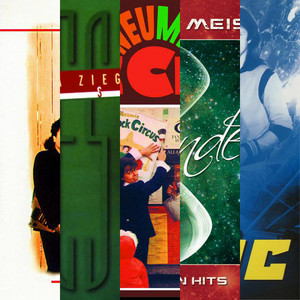
Ostrock refers to the rock music scene that developed in the German Democratic Republic (East Germany) during the 1970s and 1980s.

It blends melodic, anthem-ready choruses with elements of hard rock, art rock, and progressive rock, often delivered with carefully coded, metaphor-rich lyrics shaped by censorship and state cultural policy. Hallmarks include prominent keyboards (organs and string machines), guitar-driven arrangements, and a warm, slightly dry studio sound associated with AMIGA label productions.

History

Origins (late 1960s–1970s)

East German rock grew from local beat and blues groups playing Western-influenced music, even as authorities restricted repertoire and performance. By the early 1970s, a distinct scene professionalized under a licensing system (“Einstufung”), leading to studio releases on the state label AMIGA and widespread touring through youth clubs and cultural centers. Bands such as Puhdys, City, and Karat established the core Ostrock sound: melodic guitar rock with prominent keyboards, big refrains, and poetic German-language lyrics.

A mature sound (late 1970s–1980s)

As the scene expanded, art rock and progressive rock left a strong mark—Stern-Combo Meißen and Electra integrated symphonic textures, while City’s “Am Fenster” showcased dramatic violin and dynamic build-ups. In the 1980s, new wave colors and tighter song forms appeared via groups like Silly, Pankow, Rockhaus, and Karussell. Lyricists navigated censorship through allegory, double meanings, and social realism, addressing themes of everyday life, aspiration, and constraint.

Regulation and resistance

Performance permits, lyric approvals, and broadcast access were regulated by cultural authorities. Some groups, notably the Klaus Renft Combo, faced bans. Yet the system also created a parallel professional infrastructure (studios, touring circuits, radio/TV) that allowed Ostrock to reach mass audiences inside the GDR, forging a shared sonic identity.

After 1989 and legacy

Following the fall of the Berlin Wall, many bands disbanded or reinvented themselves in a unified market. In the 1990s and 2000s, “Ostalgie” (nostalgia for East German culture) revived interest through reunions, reissues, and tribute tours. Ostrock’s craftsmanship, German-language lyric tradition, and anthemic approach influenced later German rock and pop acts and remain a cornerstone of the country’s musical memory.

How to make a track in this genre

Core instrumentation
•   Electric guitar (rhythm + melodic leads), electric bass, and drums as the backbone. •   Prominent keyboards: organ and string-machine/analog polysynth pads to provide symphonic lift. •   Optional violin, saxophone, or additional keys for dramatic climaxes and counter-melodies.
Harmony and melody
•   Favor diatonic progressions with strong, singable choruses (e.g., I–V–vi–IV or i–VI–III–VII), occasionally expanding into modal colors for drama. •   Use parallel keyboard pads and sustained guitar chords to support expansive, anthemic melodies. •   Introduce art/prog touches: brief instrumental interludes, thematic motifs, and dynamic builds to a soaring refrain.
Rhythm and groove
•   Mid-tempo rock feels (≈ 90–120 BPM) suit the genre’s lyrical clarity and anthem energy. •   Keep grooves steady and unhurried; use tom-driven builds and cymbal swells to signal sectional transitions. •   Allow space for lyrical articulation—avoid overly busy syncopation except for targeted accents.
Lyrics and themes
•   Write in German (or the local vernacular) with metaphor and double meaning; blend social observation with personal reflection. •   Emphasize resilience, longing, everyday life, and quiet critique without overt polemic. •   Craft memorable, communal choruses that can be sung by audiences.
Production and arrangement
•   Aim for a warm, slightly dry studio sound: close-miked drums, centered vocals, guitars panned for width, and keyboards filling the midrange. •   Use light chorus, tape echo, and plate-style reverbs; avoid overly glossy modern processing. •   Structure songs with clear arcs: verse–pre-chorus–chorus; add a contrasting bridge or instrumental passage for lift.
Song forms and dynamics
•   Open with a short instrumental hook (organ/violin/guitar), build through verses, and culminate in a big, repeated chorus. •   Employ dynamic contrast: quieter verses vs. full-band choruses; a late key change or modulated reprise can heighten the finale.

Top tracks

Locked
Share your favorite track to unlock other users’ top tracks
Influenced by
Has influenced
Challenges
Digger Battle
Let's see who can find the best track in this genre
Š 2025 Melodigging
Melodding was created as a tribute to Every Noise at Once, which inspired us to help curious minds keep digging into music's ever-evolving genres.
Buy me a coffee for Melodigging