

Your digging level
Description
Campus folk (Mandarin: 校园民歌) is a Taiwanese-born strain of modern folk and folk‑rock whose core emerged on university campuses in the mid‑1970s. Student songwriters set Chinese‑language poetry and everyday reflections to acoustic guitar and light ensemble backing, favoring intimate vocals, memorable melodies, and simple, folk-derived harmonies.
Created partly in reaction to the dominance of Western rock in Taiwan at the time, campus folk reclaimed themes, imagery, and prosody from the broader Chinese cultural sphere. The style flourished from the mid‑1970s through the early 1990s, producing enduring standards such as Olive Tree and The Descendants of the Dragon, and then inspired parallel waves of campus folk in mainland China during the 1990s as cross‑strait cultural exchange expanded.
History
Campus folk began on Taiwanese university campuses in the mid‑1970s, when student composers and poets started writing “our own songs” in Mandarin and other Sinitic languages. Using the accessible formats of American folk and folk‑rock but centering Chinese prosody and imagery, early figures such as Yang Hsien (Yang Xian), Hu Defu (Kimbo), composer Li Tai‑hsiang, and lyricists like Sanmao catalyzed a homegrown songwriting movement.
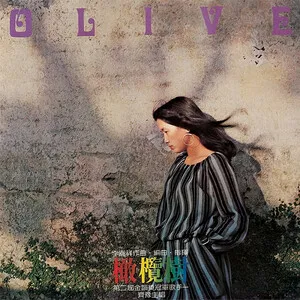
From the late 1970s through the 1980s, campus folk became a vibrant youth culture in Taiwan. Songs like Olive Tree (sung by Chyi Yu) and The Descendants of the Dragon (Hou Dejian) articulated a reflective, humanistic stance amid Taiwan’s shifting international status (e.g., UN withdrawal, changes in U.S. diplomatic recognition). Albums, campus concerts, and media amplified a repertoire that blended poetry, graceful melodies, and gently modernized folk arrangements.
With increased cross‑strait cultural exchange in the 1990s, a mainland “校园民谣” wave took off. Songwriters such as Gao Xiaosong and singers like Lao Lang and Ye Bei popularized a campus folk aesthetic—acoustic guitars, wistful campus narratives, and singable choruses—which resonated with a new generation of university students across China.
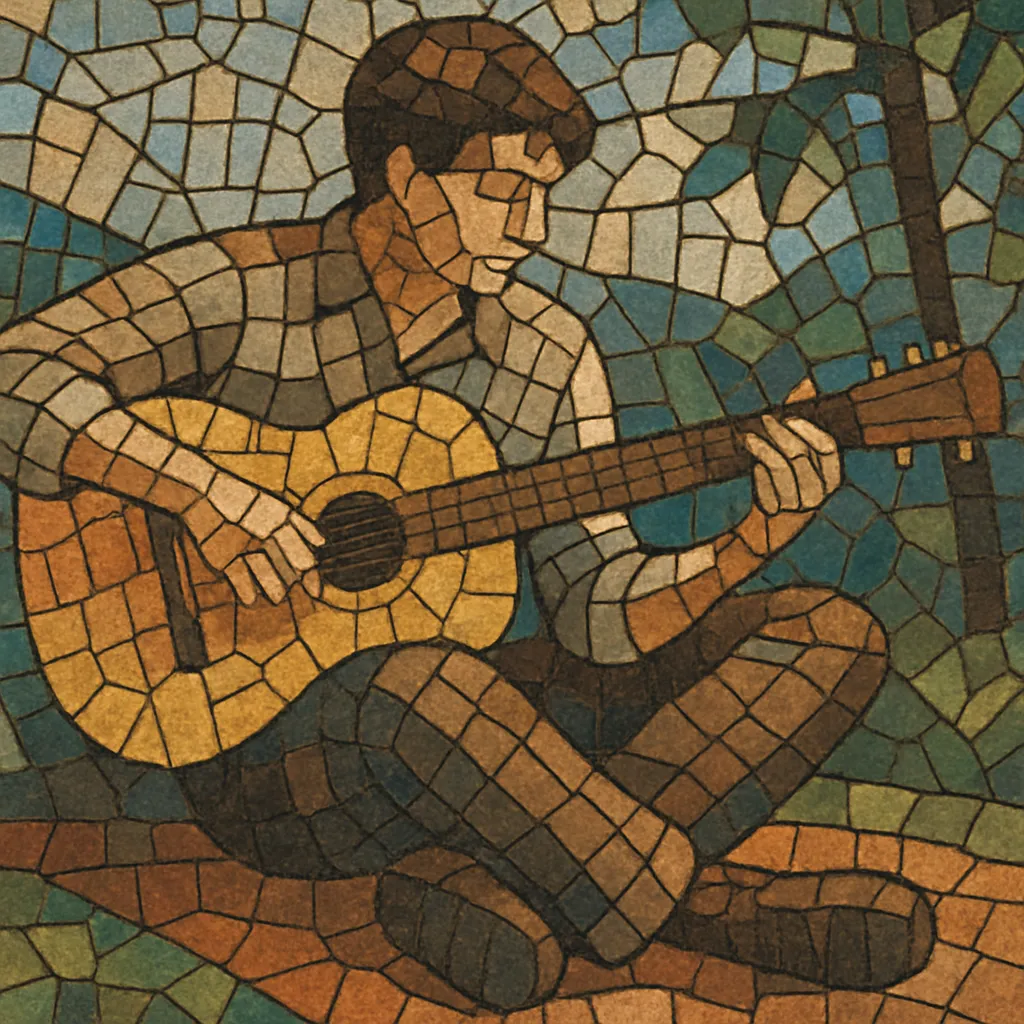
Campus folk left a deep imprint on Mandarin popular music. It seeded a durable singer‑songwriter tradition, influenced Mandopop ballad craft, and shaped later indie and folk scenes in both Taiwan and mainland China. Its canon remains a touchstone for nostalgic, literate songwriting and for the image of the college troubadour with a guitar.

Top albums



Best playlists




