Your digging level for this genre

0/8
🏆
Sign in, then listen to this genre to level up

Description

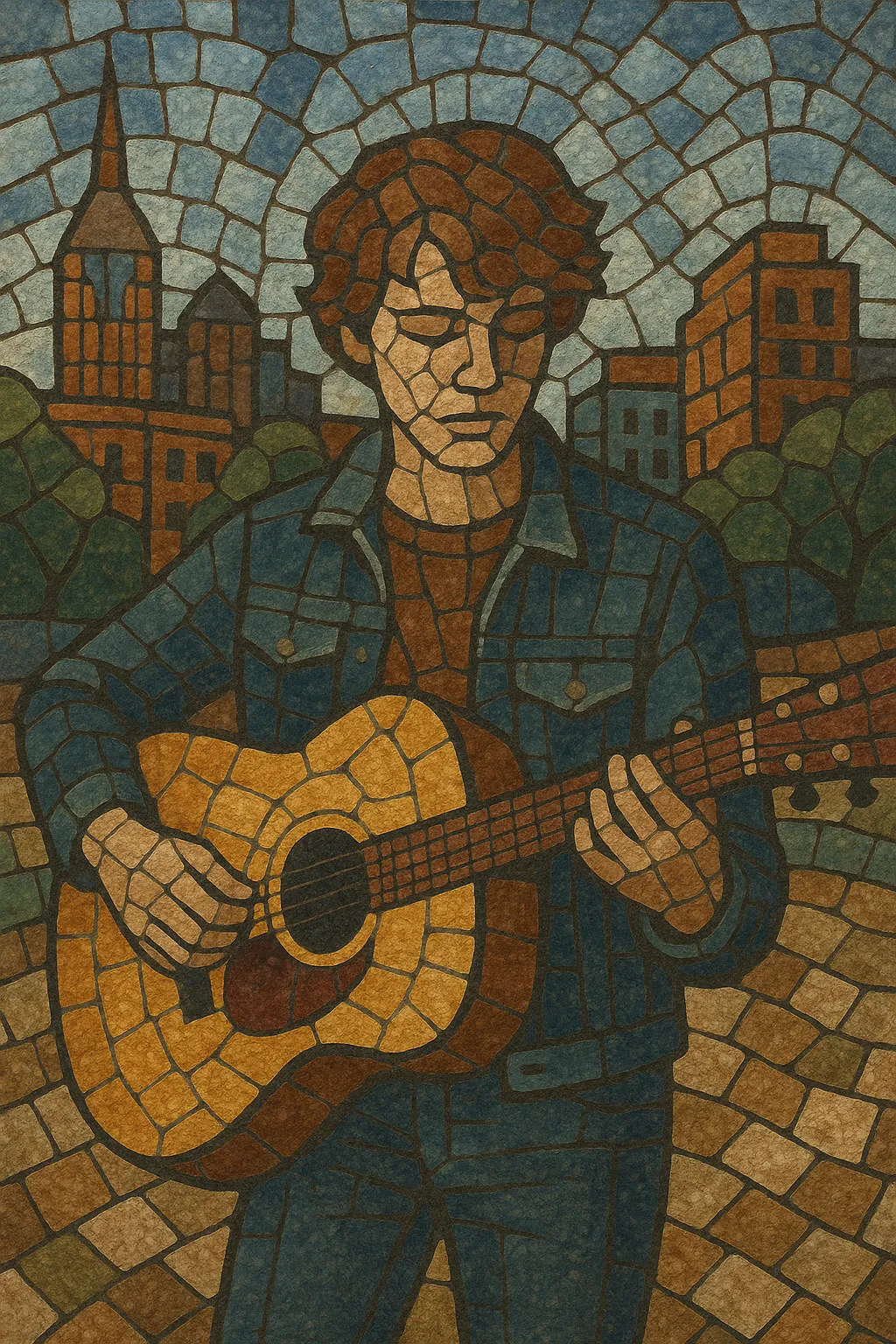
Nashville indie is the independent rock and pop scene centered in Nashville, Tennessee, that blends hook-forward indie rock with the city’s deep traditions in songwriting, Americana, and studio craft. While it favors DIY ethics and college-town energy, the sound often carries polished, radio-friendly production drawn from Nashville’s world-class recording infrastructure.

Guitar-driven arrangements, melodic bass lines, crisp drums, and tasteful synths are common, with lyrical themes that lean toward self-reflection, relationships, and coming-of-age narratives. The scene bridges garage-born grit and songwriter sophistication, yielding music that can feel both intimate and widescreen.

History

Origins (2000s)

Nashville indie emerged in the 2000s as college communities, DIY spaces, and small labels began cross-pollinating with the city’s well-established songwriting economy. Bands embraced indie rock’s DIY ethos while absorbing Nashville’s craftsmanship and studio standards. Labels, venues, and a collaborative culture helped anchor a local identity that was distinct from mainstream country but still informed by it.

Growth and Visibility (2010s)

In the 2010s, the scene expanded with blog-era breakout acts and touring infrastructure, aided by Belmont and other local institutions feeding a steady stream of musicians. Artists combined jangly guitars, modern indie pop hooks, and candid lyricism, often recorded with a balance of live immediacy and professional sheen. The proximity to Americana and alt-country kept storytelling and arrangement detail at the forefront.

Today

Nashville indie remains a diverse ecosystem—garage-adjacent rock, shimmering indie pop, and songwriter-forward projects coexist, sharing players, producers, and stages. Its reputation now sits alongside the city’s country legacy, positioning Nashville as a broader creative hub for independent music.

How to make a track in this genre

Core Instrumentation
•   Start with two electric guitars (one rhythmic, one for lead textures), electric bass, and a tight drum kit. Add subtle synth pads or arpeggios for color. Acoustic guitar, pedal steel, or organ can nod to Nashville’s songwriter/Americana heritage.
Harmony and Melody
•   Favor diatonic progressions with tasteful color tones (add9, sus2, IVmaj7) and stepwise vocal melodies. Pre-chorus lift into a strong, memorable chorus hook is typical. Use counter-melodies on lead guitar or synth to reinforce hooks.
Rhythm and Groove
•   Keep tempos in the midrange (95–130 BPM). Drums should be punchy and pocketed; alternate between straight eighths and lightly swung or syncopated patterns. Dynamic builds—quiet verses into expansive choruses—create emotional impact.
Lyrics and Themes
•   Write personal, image-rich lyrics: relationships, self-discovery, hometown restlessness, and late-night introspection. Balance conversational lines with evocative detail, following Nashville’s storytelling lineage.
Production Approach
•   Track live basics to capture energy, then refine with clean editing and tasteful compression. Use layered vocals, short plate/room reverbs, and gentle tape or console saturation. Keep the mix clear and radio-ready without losing DIY charm.
Arrangement Tips
•   Introduce hooks early with a motif (riff or vocal phrase). Add sectional contrast via guitar voicings, keyboard textures, or breaks. Save a new melodic or harmonic twist for the bridge to heighten the final chorus return.

Top tracks

Locked
Share your favorite track to unlock other users’ top tracks
Influenced by
Has influenced
No genres found
Challenges
Digger Battle
Let's see who can find the best track in this genre
© 2025 Melodigging
Melodding was created as a tribute to Every Noise at Once, which inspired us to help curious minds keep digging into music's ever-evolving genres.
Buy me a coffee for Melodigging