Your digging level
Description
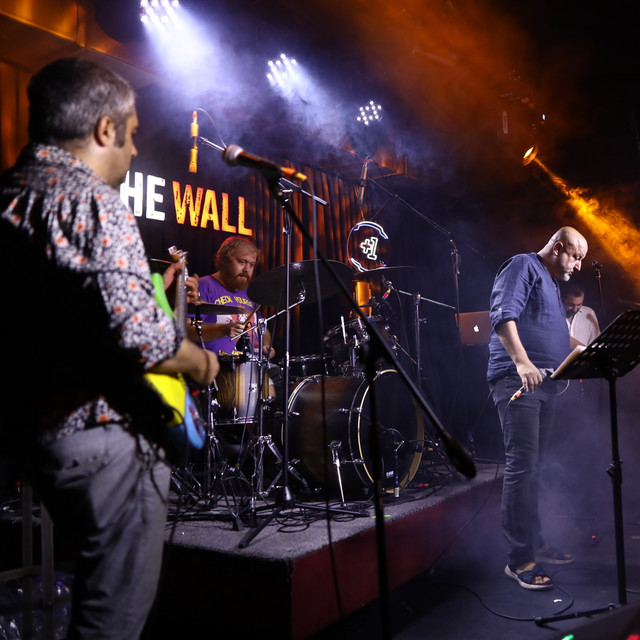
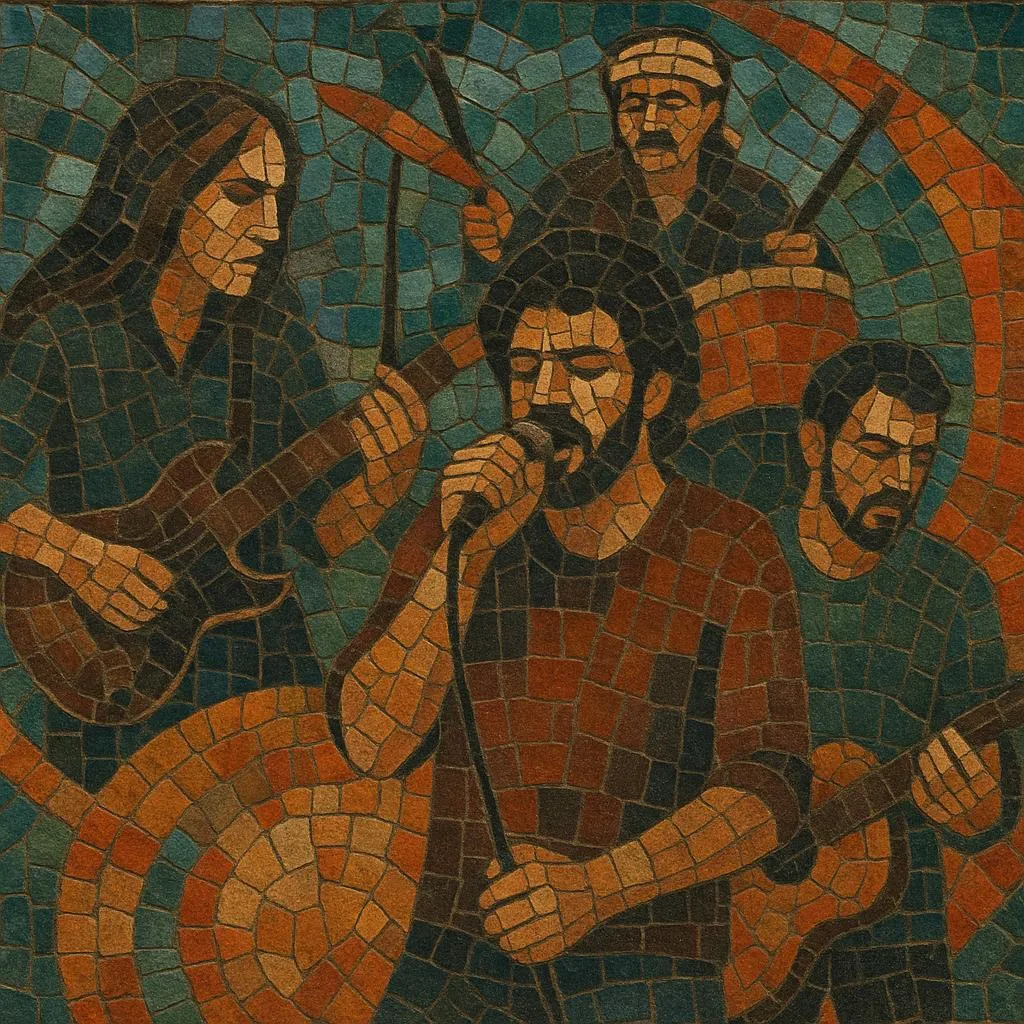
Kurdish rock blends Western rock instrumentation (electric guitars, bass, drum kit) with Kurdish melodic modes (maqam) and dance rhythms (govend in 7/8, 9/8, and other additive meters). Vocals typically use Kurdish dialects (Kurmanji, Sorani, Zazaki), and arrangements often feature regional timbres such as tembûr/bağlama (saz), daf and dohol alongside overdriven guitars.
Lyrically, it spans love and everyday life to social commentary and cultural survival, reflecting both the urbanization of Kurdish communities and diasporic experience. The result ranges from folk‑rock and protest‑rock to heavier, riff‑driven styles, but retains Kurdish melodic phrasing and call‑and‑response contours.

History
Kurdish popular music modernized through radio orchestras and electrified wedding bands across Turkey, Iran, Iraq, and Syria. By the late 20th century, politically engaged Turkish folk‑rock collectives occasionally incorporated Kurdish language and repertoire, foreshadowing a specifically Kurdish rock idiom within a broader Anatolian/left‑folk scene.
A distinct Kurdish rock took shape in the late 1980s and especially the 1990s as Kurdish musicians fused electric rock rhythm sections with Kurdish folk melodies and poetic texts. Bands and singers based in Turkey and the European diaspora popularized an "ethno‑rock" approach that combined saz/tembûr and daf with distorted guitars and driving backbeats, while touring in Germany, Belgium, the Netherlands and the UK—helping codify stylistic norms and audiences.
After 2000, Kurdish artists increasingly worked across borders and genres. Diasporic activity (particularly in Europe) sustained band ecosystems, studio production, and festivals; Kurdish ensembles from Iranian Kurdistan also demonstrated high‑profile fusions with Western instrumentation, reinforcing pathways for amplified Kurdish traditions to interact with rock aesthetics even when groups themselves were not strictly rock outfits.
Hallmarks include asymmetric dance meters, modal riffs (often Hijaz, Kurdî, and related tetrachords), ornamented lead vocals, and lyrical themes of longing (dilşad), place, and perseverance. The political valence varies by locale and artist—from explicitly protest‑oriented to purely celebratory dance‑rock—yet the idiom consistently centers Kurdish identity within a contemporary rock frame.

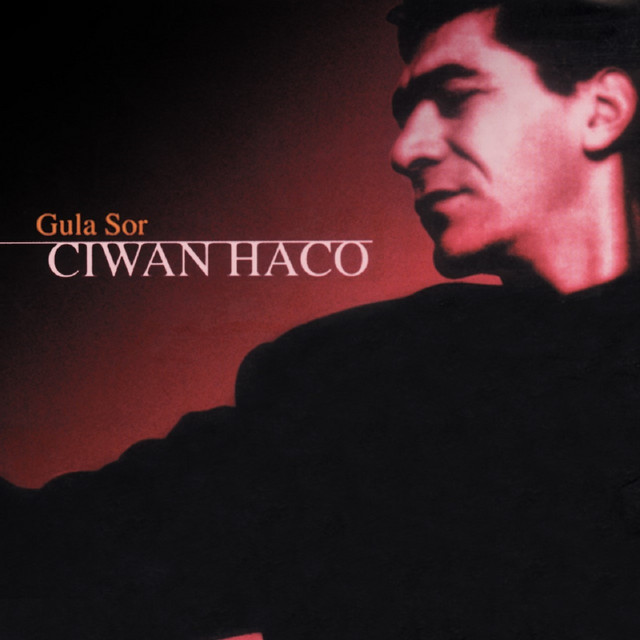
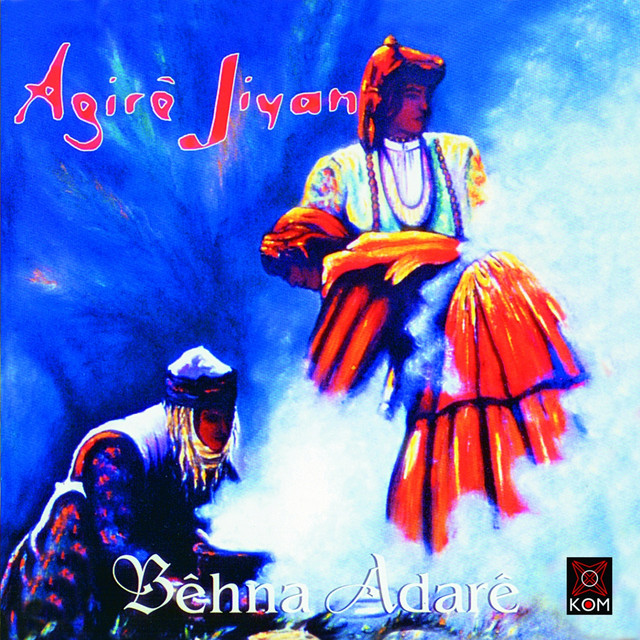
Top albums