Your digging level for this genre

0/8
🏆
Sign in, then listen to this genre to level up

Description

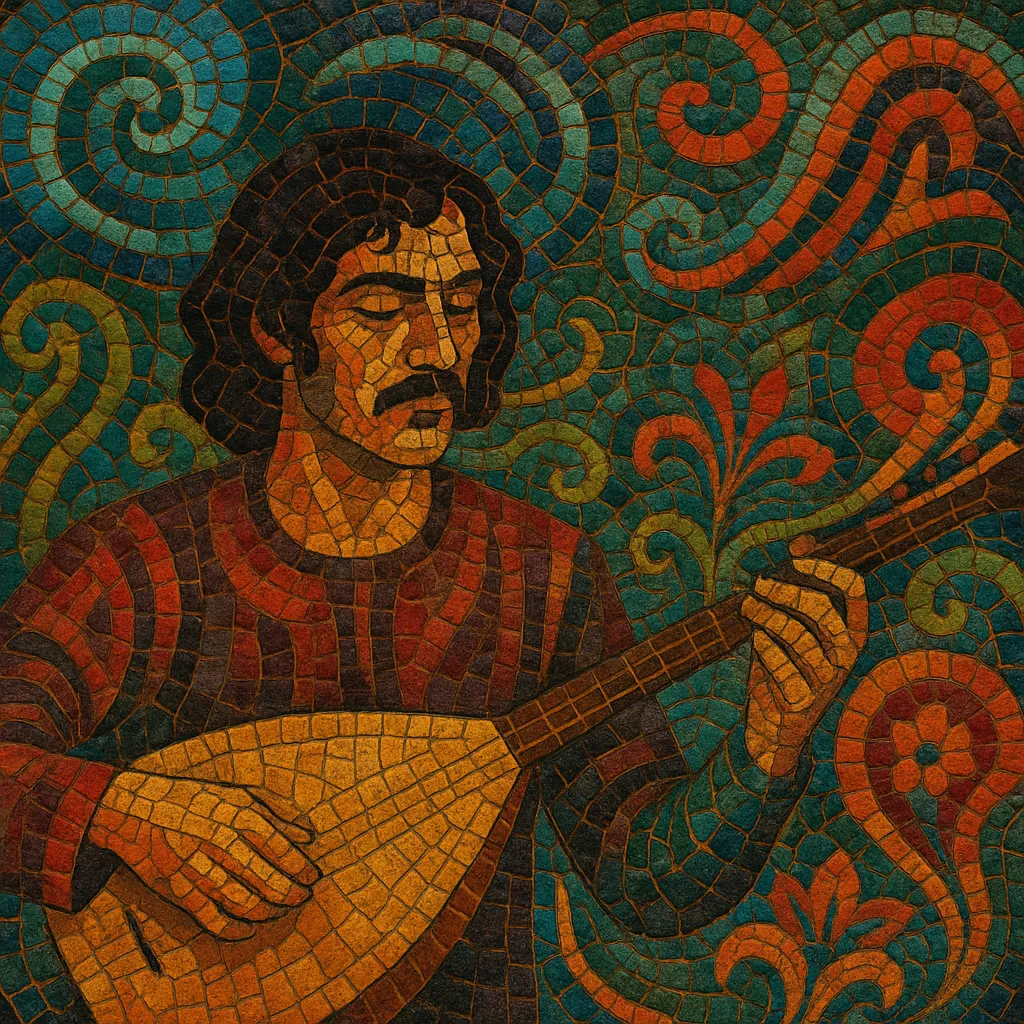
Turkish psych (often grouped within Anatolian rock) blends Western psychedelic rock with Turkish folk melodies, modes (makam), and asymmetrical rhythms (usul). It typically features fuzzed‑out electric guitars or electrified bağlama (saz), swirling organs, and spring reverb or tape echo, all supporting melodies that bend and ornament microtonal intervals.

Lyrically, it spans social commentary, mystic poetry, and rural imagery. The style is simultaneously hypnotic and driving: odd meters like 9/8 and 7/8 propel grooves while modal drones and Phrygian‑dominant colors evoke a heady, dreamlike atmosphere.

History

Roots and formation (mid–late 1960s)

Turkish psych emerged as Turkish musicians absorbed the global psychedelic wave and merged it with local folk repertoire. Early rock groups began adapting türkü (folk songs) and Ottoman‑influenced melodies into amplified bands, employing fuzz guitar, Farfisa/VOX organs, and electrified bağlama. This synthesis paralleled the rise of "Anadolu pop/rock," a broader movement blending Western rock with Anatolian folk.

Golden era (late 1960s–mid 1970s)

Artists such as Erkin Koray, Barış Manço, Cem Karaca, and bands like Moğollar, Üç Hürel, and Bunalımlar defined the sound: modal riffs, odd‑meter grooves (9/8, 7/8), and poetic, often socially aware lyrics. Producers favored saturated tape, plate/spring reverb, and phasing, while the bağlama or guitar often carried folk melodies rendered with psychedelic timbres. The period yielded numerous 45s and LPs that later became crate‑digging staples.

Headwinds and hiatus (late 1970s–1980s)

Political turbulence, shifting commercial tastes, and the 1980 coup disrupted the scene. Some artists moved toward different styles or left the country; rock’s mainstream presence contracted, and many psych‑leaning recordings went out of print, circulating mainly among collectors.

Reappraisal and revival (2000s–present)

International reissue labels and DJs reignited interest in the 2000s, revealing the depth of the original catalog. A modern revival followed, with acts like BaBa Zula, Gaye Su Akyol, Derya Yıldırım & Grup Şimşek, and international projects such as Altın Gün channeling classic aesthetics—fuzzed saz, modal hooks, and asymmetrical rhythms—through contemporary production. Turkish psych is now recognized globally as a distinctive regional branch of psychedelic music with ongoing influence.

How to make a track in this genre

Core palette
•   Instruments: Electric guitar (fuzz, wah, phaser), electrified bağlama/saz, bass, drum kit, darbuka/riq, and vintage organs (Farfisa/VOX). Use spring reverb, tape/analog delay, and gentle tape saturation. •   Tonality: Draw on makams such as Hicaz (Phrygian dominant color), Hüseyni, Kürdi, and Nihavend. Employ microtonal inflections via bağlama frets or expressive guitar bends/slide.
Rhythm and groove
•   Favor asymmetrical usul: 9/8 (2+2+2+3), 7/8 (3+2+2 or 2+2+3), 5/8, alongside straight 4/4 when useful. •   Keep the bass locked to the cycle’s strong beats while drums mix rock backbeats with folkloric accents (toms and percussion filling the short beats in odd meters).
Melody and harmony
•   Lead lines are modal and ornamented (grace notes, slides, turns). Build riffs from tetrachords characteristic of the makam. •   Harmony is sparse: drones/pedal tones under modal melodies, occasional power‑chord lifts, and simple modal progressions (e.g., i–VII–VI in a Phrygian‑dominant context). Avoid dense functional changes that clash with the mode.
Arrangement and texture
•   Introduce a riff with organ or bağlama, double it with fuzz guitar an octave apart, and let the vocal float melodically above. •   Insert instrumental breaks featuring bağlama or guitar solos with wah/phaser, and use hand percussion to spotlight subdivisions in odd meters.
Lyrics and themes
•   Blend folk poetry, mysticism, social conscience, and pastoral imagery. Use concise, chantable refrains and story‑driven verses.
Production tips
•   Track live to capture hypnotic groove; add plate/spring reverb on vocals and organ, mild tape compression on the mix bus, and tasteful phasing on drum fills or organ swells. •   Layer subtle background drones (tanbur‑like or organ) to sustain the makam’s tonal center.

Top tracks

Locked
Share your favorite track to unlock other users’ top tracks
Influenced by
Has influenced
Challenges
Digger Battle
Let's see who can find the best track in this genre
© 2025 Melodigging
Melodding was created as a tribute to Every Noise at Once, which inspired us to help curious minds keep digging into music's ever-evolving genres.
Buy me a coffee for Melodigging