

Your digging level
For this genre
0/8
🏆
Sign in, then listen to this genre to level up
Description
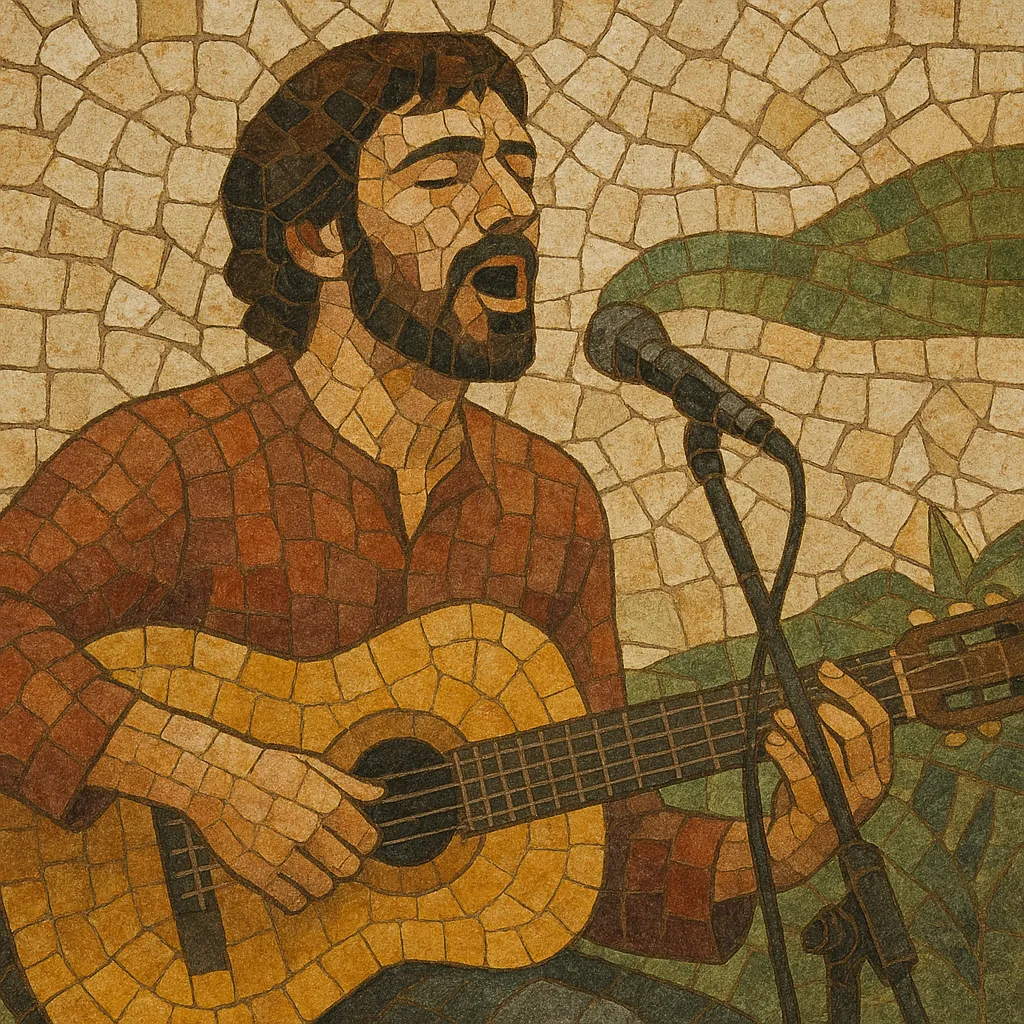
Nòva cançon is a song-driven cultural movement from Occitania (primarily southern France) that emerged in the 1970s. It is sung in the Occitan language and aims to preserve the language and affirm Occitan identity in the face of French-only policies and cultural centralization.
Musically, nòva cançon is not a strict stylistic genre. It usually adopts the accessible idioms of folk and chanson-/pop-oriented singer‑songwriter music—acoustic guitars, clear vocal delivery, and memorable choruses—while its defining feature is the use of Occitan and the promotion of Occitan culture (Occitanism). The movement is frequently compared to Catalonia’s Nova cançó, which provided both a neighboring model and inspiration.
History
Roots and Context (1950s–1960s)
• After long decline in public use of Occitan, post‑war cultural activism (notably around the Institut d’Estudis Occitans, IEO) nurtured a revival of interest in the language and folklore.
• Catalonia’s Nova cançó (1960s) offered a successful template for using vernacular song as cultural resistance, directly inspiring Occitan artists.
Emergence of Nòva Cançon (1970s)
• In the early 1970s, a cohort of Occitan singer‑songwriters—Joan‑Pau Verdier, Claudi Martí, Patric, Maria Roanet, Mans de Breish—began releasing albums and touring across Languedoc, Gascony, Provence, Limousin, and Auvergne.
• Independent labels and cultural circuits (often linked to the IEO and local cultural centers) facilitated production and dissemination. Repertoires blended modern chanson/folk with regional dance and melodic idioms, while lyrics foregrounded language pride, rural lifeworlds, and social critique.
Consolidation and Diversification (1980s–2000s)
• The movement broadened beyond solo chanson into bands and regional hybrids. Groups like Nadau popularized a recognizable Occitan folk-pop sound; others integrated dance rhythms and communal sing‑along refrains.
• Later generations carried Occitanism into new popular styles (rock, reggae/ragga, even hip‑hop), proving that the nòva cançon ethos was adaptable as long as the linguistic and cultural mission remained central.
Present Day
• Nòva cançon persists as a living tradition and a linguistic-cultural platform. While its classic sound remains associated with folk/chanson, its legacy is evident across contemporary Occitan‑language scenes, school networks (e.g., Calandretas), festivals, and digital self‑publishing, where artists continue to frame song as a vehicle for language revitalization and local narratives.
Language and Themes
• Write lyrics in Occitan (choose a consistent dialect/orthography—Classical or Mistralian) and prioritize clear diction so audiences can understand and sing along.
• Center themes of Occitan identity: language rights, village/rural life, migration, labor, environmental concerns, love, and everyday stories. Blend intimate storytelling with cultural affirmation.
Melody, Harmony, and Form
• Favor singer‑songwriter forms: verse–refrain with memorable, participatory choruses.
• Melodies often sit in modal minor (Aeolian/Dorian) or diatonic major; range is comfortable for communal singing.
• Harmonies are simple and functional (I–IV–V, ii–V–I, i–VII–VI, or i–IV–V) to keep the voice front and center.
Rhythm and Local Color
• Borrow lilt and pulse from regional dances: farandole (often 6/8), bourrée (duple; can feel in 2), and polka/scottish variants. Keep tempos moderate-to-brisk for a songful, processional feel.
• Use grooves that invite clapping and group choruses, even in slower protest ballads.
Instrumentation and Timbre
• Core: voice and acoustic guitar (or piano) in chanson/folk style.
• Add regional timbres for Occitan color: hurdy‑gurdy (vielle à roue), accordion, boha (Gascon bagpipe), galoubet‑tambourin (Provençal pipe and tabor), flutes, violin, light percussion (frame drums, tambourin), bass for support.
• Keep arrangements intimate; if using full band, let lyrics lead and avoid overpowering the vocal line.
Performance Practice and Audience
• Encourage call‑and‑response refrains and collective singing; introduce songs with brief Occitan explanations to strengthen the cultural frame.
• Balance poetic imagery with direct slogans; many classics succeed by pairing memorable hooks with clear cultural messages.

Top albums
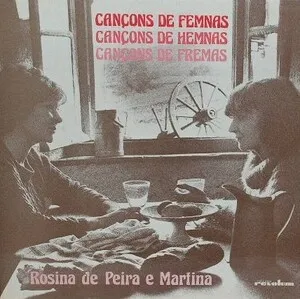
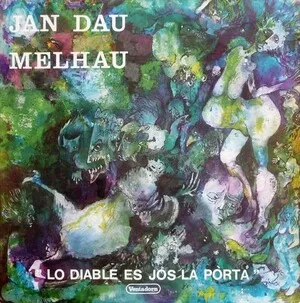
Best playlists
Top tracks
Locked
Share your favorite track to unlock other users’ top tracks
Upcoming concerts
in this genre
