Your digging level
Description
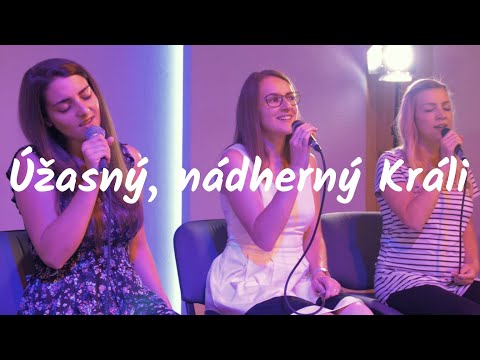
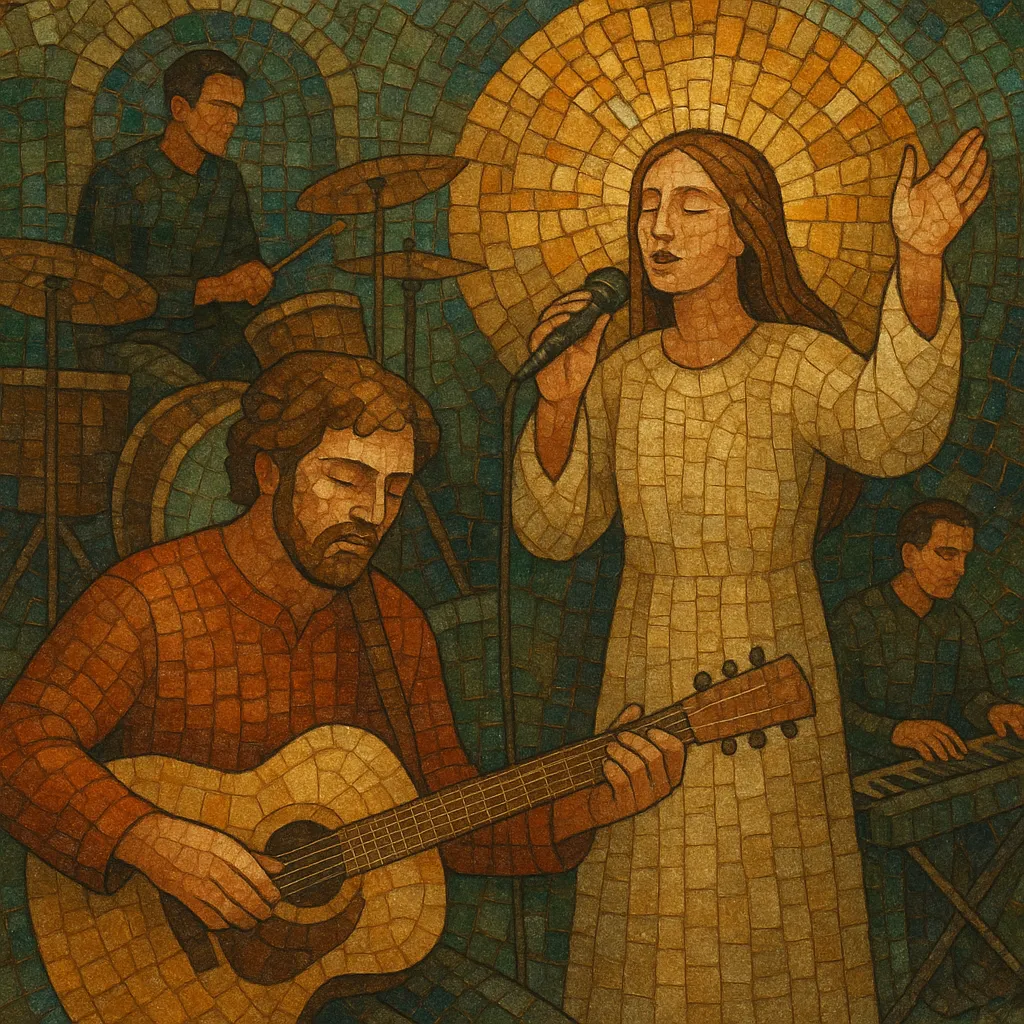
Ceske chvaly (literally "Czech praises") is the Czech-language stream of contemporary Christian worship music. It blends the congregational focus of global praise & worship with the melodic sensibilities of Czech pop and soft rock, resulting in singable songs designed for church services, conferences, and youth gatherings.
Stylistically, it draws on modern pop-rock bands and acoustic praise ensembles: electric and acoustic guitars, keyboards/piano and pads, bass, and a steady drum kit underpin lyrical themes of adoration, gratitude, and prayer—always delivered in natural Czech prosody so congregations can sing along comfortably.
History
After the Velvet Revolution in 1989, Czech churches experienced new openness to public worship and music-making. Translations of English-language praise songs entered congregations, while local worship leaders began composing new material in Czech. This period established the foundations of ceske chvaly: simple, memorable melodies with Scripture-rooted lyrics meant for communal singing.
Throughout the 1990s and 2000s, youth groups and interchurch events popularized the style. Church-based bands formed across Prague, Brno, Ostrava, and Moravia, creating a repertoire that balanced translated standards with original Czech compositions. Conferences, camps, and regional gatherings provided stages and studio opportunities, further standardizing the band format and the congregational-friendly arrangements.
With streaming platforms, YouTube, and social media, Czech worship collectives began releasing studio and live projects, lyric videos, and chord resources. Festivals and interdenominational events helped cross-pollinate songs between Protestant, evangelical, and Catholic charismatic contexts. The current sound spans intimate piano-led ballads to anthemic, electric-guitar-driven praise—always prioritizing clear Czech diction and keys that suit congregational ranges.
Use a contemporary worship band setup: acoustic/electric guitars, piano or keys, warm synth pads, bass, and drums. Keep textures uncluttered so the congregation’s voice remains primary. Pads can sustain between sections to support transitions and prayer moments.
Alternate between reflective ballads (≈68–80 BPM in 4/4) and upbeat praise songs (≈100–125 BPM). Favor steady, backbeat-driven grooves for accessibility; add dynamic builds (e.g., tom patterns, swells, and cymbal lifts) for the final chorus.
Rely on diatonic, singable progressions (I–V–vi–IV, vi–IV–I–V, IV–I–V, etc.) in guitar- and voice-friendly keys (G, A, D, E). Keep melodic ranges moderate, with stepwise motion and clear phrase endings to support participation and harmonies.
Write Scripture-anchored texts of adoration, gratitude, confession, and dependence on God. Ensure natural Czech stress patterns and vowel lengths so lines flow when sung by a congregation. Use concise, repeatable refrains and bridges that can be extended live.
Common structures are Verse–Chorus–Verse–Chorus–Bridge–Chorus (tag). Plan dynamic arcs: start intimate, grow to an anthemic peak, then resolve. Prepare transposable charts and number charts (Nashville-style) for quick key changes to match congregational range.
Use a click and guide cues when possible; arrange call-and-response lines to engage the room. Keep instrumental hooks memorable but secondary to the vocal melody, and leave space for spontaneous prayer or repeated tags.