Your digging level
Description
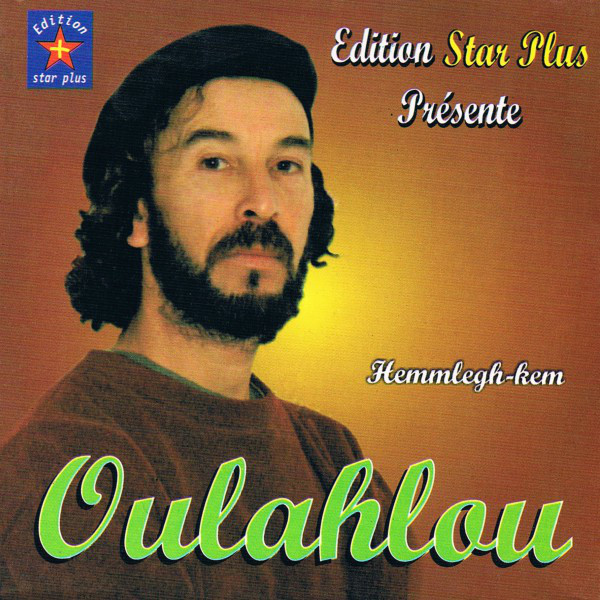
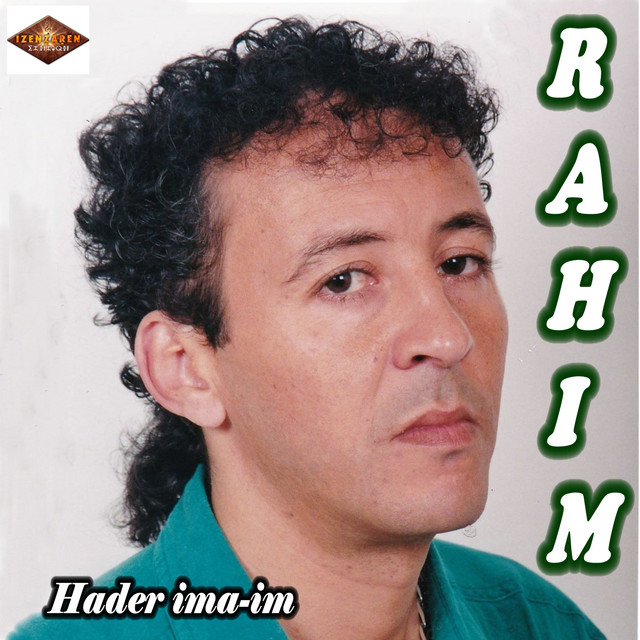
Kabyle is a Berber (Amazigh) popular and folk song tradition from northern Algeria, performed primarily in the Kabyle language (Taqbaylit).
It blends indigenous Amazigh melodies and poetic forms with instruments and song structures introduced through urban North African music and the Algerian diaspora in France.
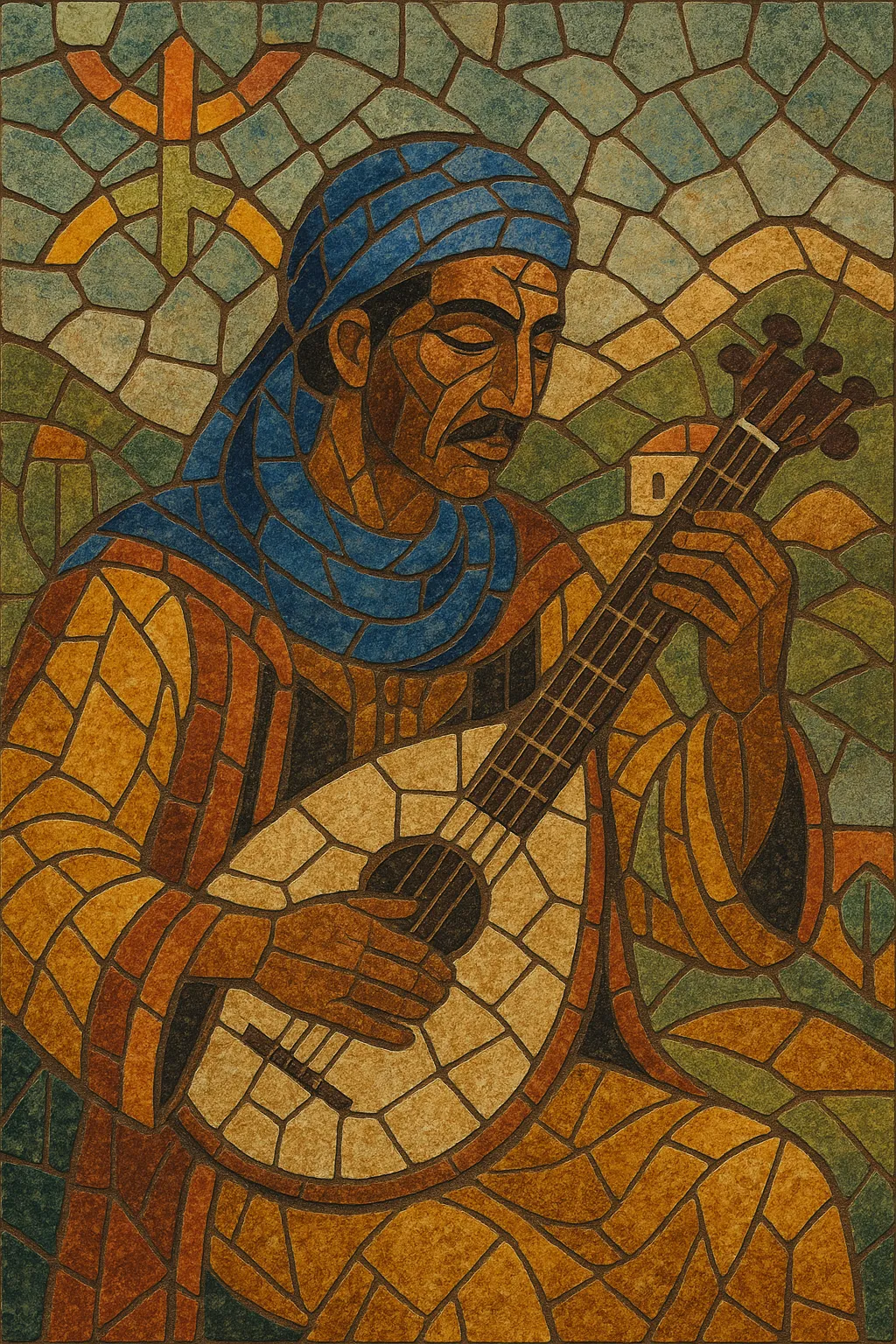
Over time, Kabyle music evolved from voice-and-lute ballads into guitar- and mandole-led ensembles, later embracing modern studio production, synthesizers, and pop arrangements while retaining its lyrical emphasis on identity, exile, love, and social commentary.
History
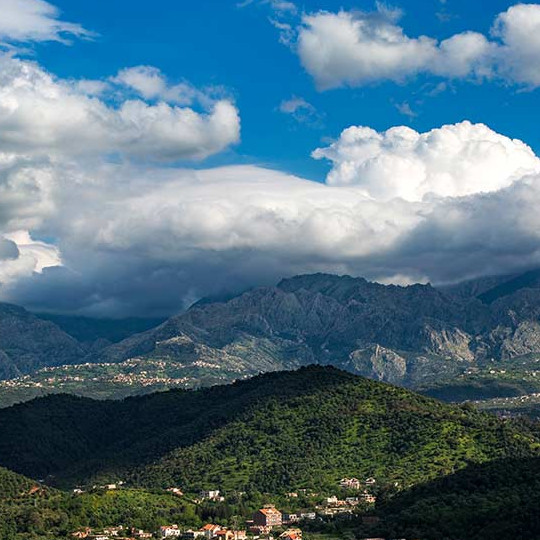
Kabyle song draws on much older Amazigh oral-poetic traditions, village dances, and ritual music of the Kabylie mountains. In the mid‑20th century, Kabyle migrant communities in Algiers and Paris helped catalyze a modern, recorded style. Early figures such as Cheikh El Hasnaoui and Slimane Azem popularized intimate voice-and-lute songs that addressed migration, nostalgia, and daily life.
After independence, a new generation brought the guitar, the Algerian mandole, and arranged ensembles into the style. Artists like Lounis Aït Menguellet refined a poetic, reflective singer‑songwriter approach, while Idir’s 1976 hit “A Vava Inouva” carried Kabyle music onto international airwaves, aligning it with the burgeoning “world music” market.
In France and North Africa, Kabyle music became a vehicle for cultural expression and Amazigh identity. Lounès Matoub, Djamel Allam, and Ferhat Mehenni used song as social commentary, weaving modern harmonies and folk roots with topical lyrics. Cassette culture and independent labels spread the music widely across diaspora networks.
Artists such as Takfarinas and Rabah Asma integrated pop, raï‑influenced grooves, and electronic production while maintaining Kabyle melodic and linguistic identity. Contemporary performers continue to balance acoustic timbres (guitar, mandole, frame drums) with modern studio aesthetics, sustaining Kabyle music’s role as a living Amazigh tradition with global reach.
Use a lead vocal in Kabyle (Taqbaylit) supported by acoustic guitar and/or Algerian mandole. Add frame drums (bendir), goblet drum (darbuka), and handclaps for pulse; optionally include violin, flute/ney, or subtle synthesizers for modern color.
Write singable, modal melodies with narrow to medium range and ornamental turns. Favor minor or modal centers rather than dense chromaticism; harmonies can be simple triads or drone‑like support, with occasional IV–V motions and modal cadences. Prioritize the vocal line; instruments should weave countermelodies and fills rather than dominate.
Alternate between lilting 6/8 dances and steady 2/4–4/4 ballad feels. Keep percussion supportive and propulsive, using patterns that leave space for lyrics. Handclaps can emphasize off‑beats or cadential pushes to energize refrains.
Write in Kabyle with clear imagery and metaphor. Common themes include identity, love, exile, nature (mountains, seasons), and social reflection. Verses often carry narrative detail, with a memorable refrain. Aim for concise strophic forms (verse–refrain) or narrative ballads with recurring hooks.
Start with voice and guitar/mandole, then layer percussion, light bass, and optional strings or keys. For contemporary productions, use unobtrusive pads and tasteful reverb; avoid over‑compression to preserve vocal nuance. Keep the vocal forward in the mix, and use call‑and‑response or group refrains to evoke communal roots.