Your digging level
Description
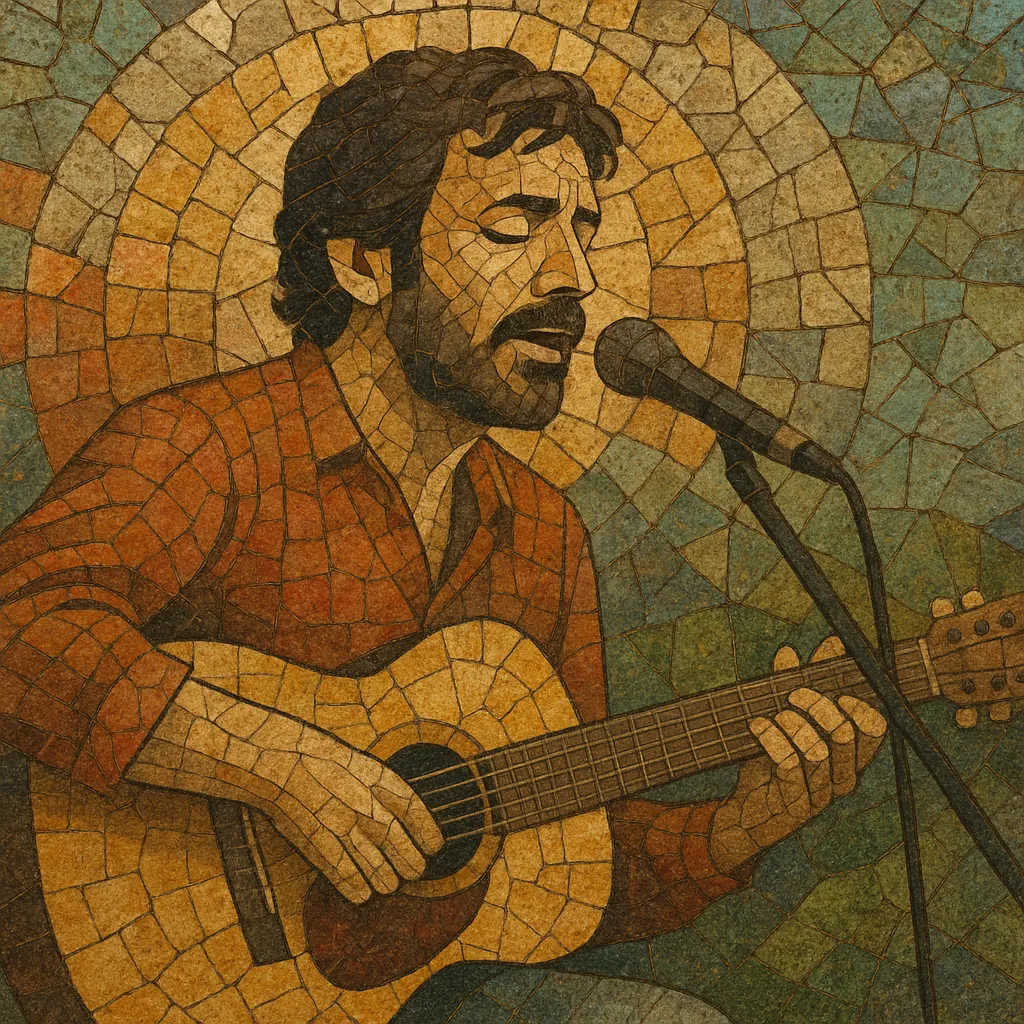
Italian singer-songwriter (cantautorato/canzone d'autore) is a lyric-centered tradition in Italian popular music where the performer is also the principal author of the lyrics and music.
It blends poetic, narrative songwriting with melodic pop, folk, jazz, and light rock arrangements, placing storytelling and social commentary at the forefront.
While highly melodic and accessible, it values literary craft, regional color, and personal voice, ranging from intimate acoustic ballads to sophisticated, orchestrated songs.
History
Italian singer-songwriting coalesced as a distinct tradition at the turn of the 1960s, drawing on French chanson (especially its text-focused "chanson à texte"), American and Italian folk currents, and the long melodic lineage of canzone napoletana. Early figures like Gino Paoli and Luigi Tenco emphasized introspective, literary lyrics; Fabrizio De André brought a poetic, often marginal-voiced humanism shaped by Georges Brassens and Mediterranean folk idioms. Parallel to the Italian beat scene, the Genoa school helped define the movement’s poetic and melodic ambition.
The 1970s saw the genre expand dramatically in popularity and scope. Francesco De Gregori and Francesco Guccini leaned into political and social themes, while Lucio Battisti fused sophisticated pop, rock, and soul harmonies with personal, existential texts. Lucio Dalla brought a unique blend of jazz-inflected arrangements and theatrical storytelling; Antonello Venditti and Rino Gaetano connected urban narratives and irony to memorable hooks. The decade established the singer-songwriter as a central pillar of Italian popular culture.
Artists such as Paolo Conte refined a jazzy, cabaret-tinged approach with sly, cinematic songwriting, while Franco Battiato expanded the boundaries toward art pop, minimalism, and philosophical texts without abandoning the singer-songwriter ethos. Production values modernized, but the core remained the authorial voice—songs as crafted literature set to melodic, often understated arrangements.
The cantautore model continues to inform Italian indie, pop-rock, and even hip hop and trap lyricism, especially in confessional tone and narrative craft. New generations cite the classic cantautori for their attention to language, melodic directness, and capacity to address intimate and social themes with nuance.
Start from the text: craft lyrics as poetry—concise images, strong metaphors, and clear narratives. Favor Italian’s natural prosody; align stressed syllables with melodic peaks.
Use tonal, song-form harmony (I–IV–V with tasteful ii, vi, and secondary dominants). For sophistication, introduce modal color (Dorian/Aeolian) or jazz extensions (maj7, 9, 13) without crowding the vocal line. Melodies are singable, with memorable refrains, often shaped to the cadence of the words.
Common meters are 4/4 ballads and mid-tempo pop; occasional waltz (3/4) and light bossa/jazz grooves add variety. Structures typically follow verse–refrain, with a bridge or instrumental interlude for contrast. Keep tempos moderate to prioritize clarity of diction.
Begin with voice plus acoustic guitar or piano. Add light rhythm section (bass, brushed drums), subtle strings or woodwinds for warmth, and occasional jazz colors (muted trumpet, clarinet). Orchestrations should support the lyric, leaving space for phrasing and storytelling.
Prioritize clear enunciation and expressive dynamics. Employ conversational phrasing, occasional rubato, and expressive melismas sparingly. Regional inflections or references can add authenticity.
Balance personal introspection (love, memory, identity) with social observation and small human dramas. Aim for empathy, irony, or gentle critique rather than didacticism. Revise lines for precision—every word should earn its place.