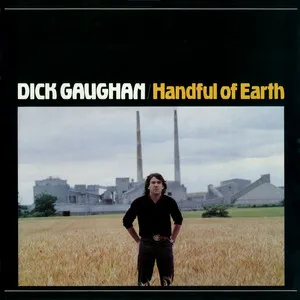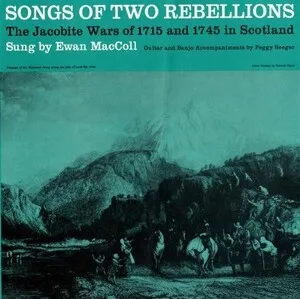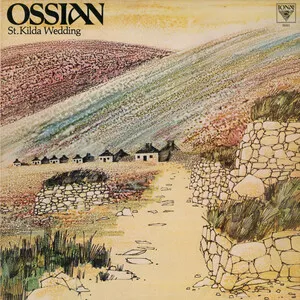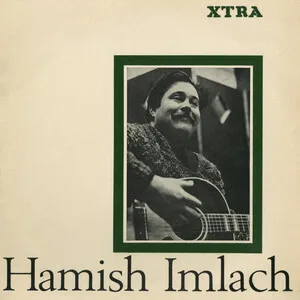
The Scottish folk revival is a mid-20th-century movement that rediscovered, preserved, and reimagined Scotland’s traditional music and song. It brought oral traditions such as ballads, waulking songs, puirt à beul (mouth music), and dance tunes (reels, jigs, strathspeys) into modern performance contexts.
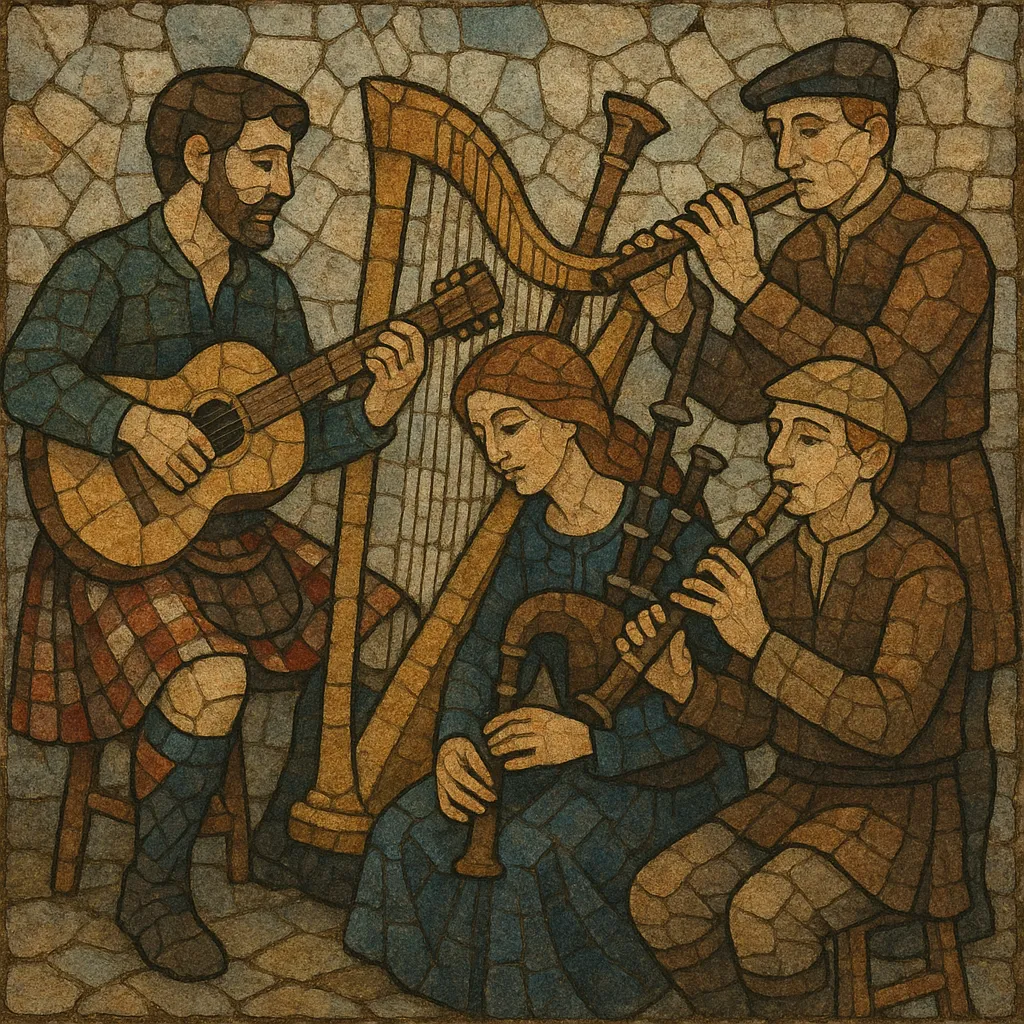
Centred on collectors, folk clubs, and festival culture, the revival balanced respect for source singers and instrumental styles with new songwriting in Scots and Scottish Gaelic. Typical sounds include unaccompanied traditional singing and acoustic ensembles featuring fiddle, clarsach (Scottish harp), whistles, accordion, guitar, and pipes, with rhythms shaped by the strathspey’s characteristic Scotch snap and modal melodies that favour Dorian and Mixolydian colours.
The movement both safeguarded heritage and catalysed innovation, inspiring later Celtic fusion styles and global interest in Scottish music.
After World War II, field collectors such as Hamish Henderson and Calum Maclean recorded tradition bearers across Scotland, from Traveller singers to Gaelic communities. The 1951 Edinburgh People's Festival Ceilidh is often cited as a foundational moment, foregrounding living tradition on a public stage.
The School of Scottish Studies (founded 1951) became a hub for documentation and scholarship, building extensive archives of songs, stories, and instrumental styles. Influences included earlier collectors (e.g., Child, Greig–Duncan) and cross-current contact with the American folk revival and UK skiffle scenes.
A grassroots network of folk clubs in cities like Edinburgh and Glasgow nurtured performers and communal singing. Festivals (notably Blairgowrie for bothy ballads) amplified traditional voices and encouraged new songwriting in Scots and Gaelic. Bands and soloists developed concert-ready arrangements while keeping close ties to source styles.
The revival broadened into ensemble performance and experimentation: sophisticated fiddle-led groups, harp-centred ensembles, and singer-guitarists coexisted with psych-folk explorers. By the late 1970s and 1980s, amplified and crossover projects helped seed Celtic rock and other fusions, bringing Gaelic song and traditional dance forms to wider audiences.
The revival preserved endangered repertoires and performance practices while providing a platform for contemporary creators. It remains central to Scotland’s cultural identity and has influenced Celtic fusion worldwide, academic ethnomusicology, and community-based music education.