Your digging level
Description
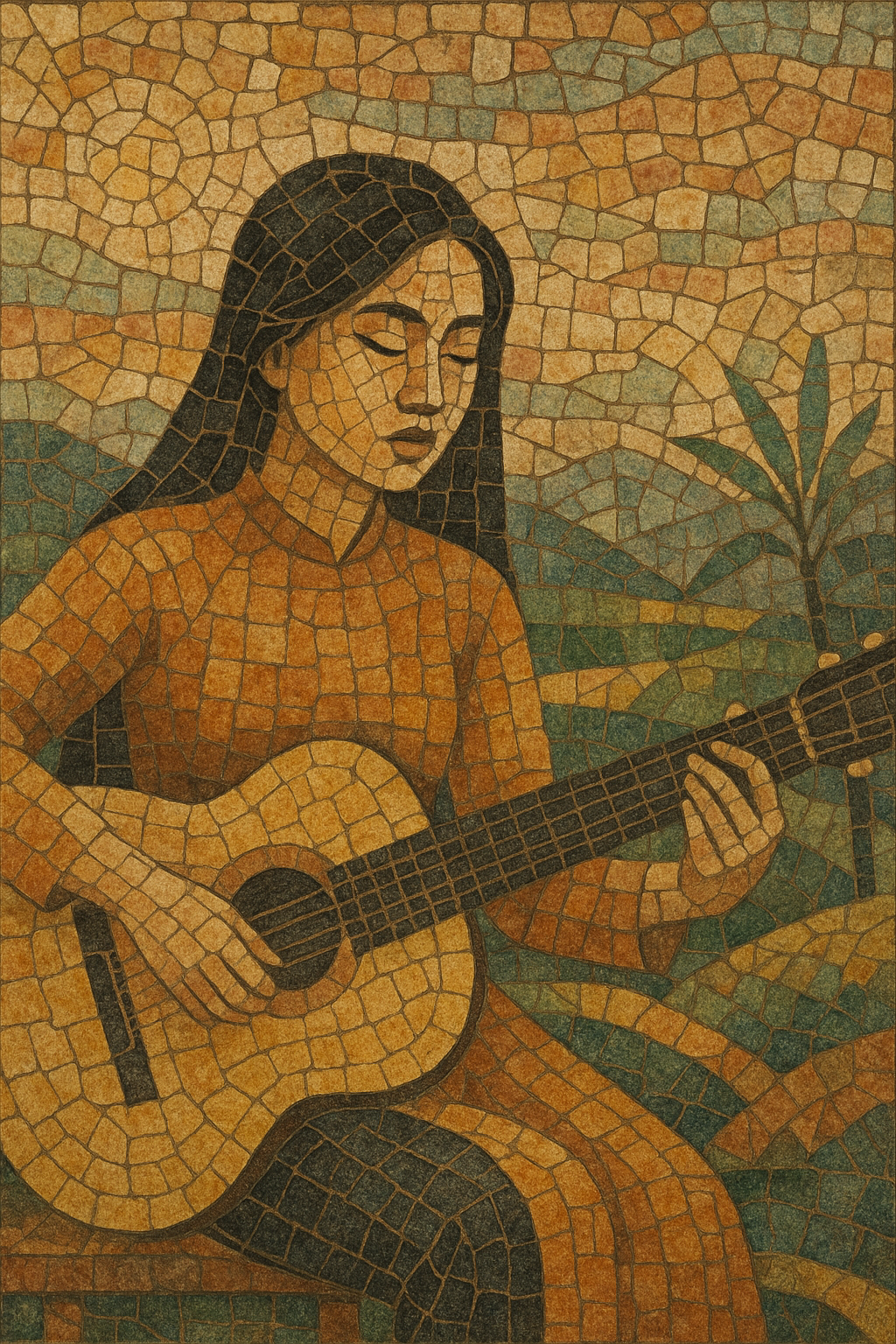
Vietnamese singer-songwriter is a tradition in which artists write and perform their own songs in Vietnamese, blending poetic lyricism with intimate, melody-forward arrangements.
It draws on the pre-war "nhạc tiền chiến" songcraft, indigenous pentatonic (ngũ cung) sensibilities, and Western folk/pop harmonies. Acoustic guitar and piano are central, while modern iterations incorporate light indie, lo-fi, and pop production. Themes often revolve around love, memory, urban life, existential reflection, and the Vietnamese landscape and seasons.
From café stages to large venues, the style privileges clear storytelling, careful attention to Vietnamese prosody and tone contours, and melodies that feel both timeless and conversational.
History
The modern Vietnamese singer-songwriter lineage took recognizable shape in the 1960s, particularly in the South, as Western folk and chanson-influenced ballads met the Vietnamese pre-war (nhạc tiền chiến) poetic tradition. Trịnh Công Sơn became the emblematic figure: a poet-composer who performed his own songs with austere guitar accompaniment and profound lyrics on love, loss, and the human condition. Contemporaries and predecessors like Phạm Duy and Văn Cao also wrote and sometimes sang their works, setting a template for reflective, literate songwriting.
Post-1975, much of the songwriting culture continued in the Vietnamese diaspora (United States, France, Australia), where singer-songwriters preserved and evolved the lyrical, acoustic ethos. Inside Vietnam, Đổi Mới (economic reforms from 1986) gradually opened space for broader musical expression. Pop ballads flourished in the 1990s, and the idea of the artist as both writer and singer became part of the mainstream creative toolkit.
In the 2000s, an indie café circuit nurtured a new generation of singer-songwriters who favored intimate sets, narrative lyrics, and acoustic-first arrangements. Artists like Lê Cát Trọng Lý bridged folk subtlety with contemporary sensibilities, while later figures such as Vũ., Phan Mạnh Quỳnh, and Tạ Quang Thắng popularized spare, emotive production and diaristic, youth-centered storytelling. Online platforms amplified this scene beyond physical venues.
With streaming and social media, Vietnamese singer-songwriters embrace bedroom-pop and lo-fi textures, releasing self-produced singles that travel quickly across platforms. Nostalgia-driven harmonies, pentatonic color, and soft vocal deliveries resonate with younger audiences, while the influence of the 1960s–1970s masters remains audible. Cross-pollination with indie pop, R&B, and even EDM-backed ballads continues to refresh the form.
How to make a track in this genre
Aim for intimate delivery and clear Vietnamese diction so tones remain intelligible. Keep arrangements supportive of the voice and lyric, favoring acoustic guitar or piano with restrained ornamentation.