Your digging level

For this genre
0/8
🏆
Sign in, then listen to this genre to level up

Description

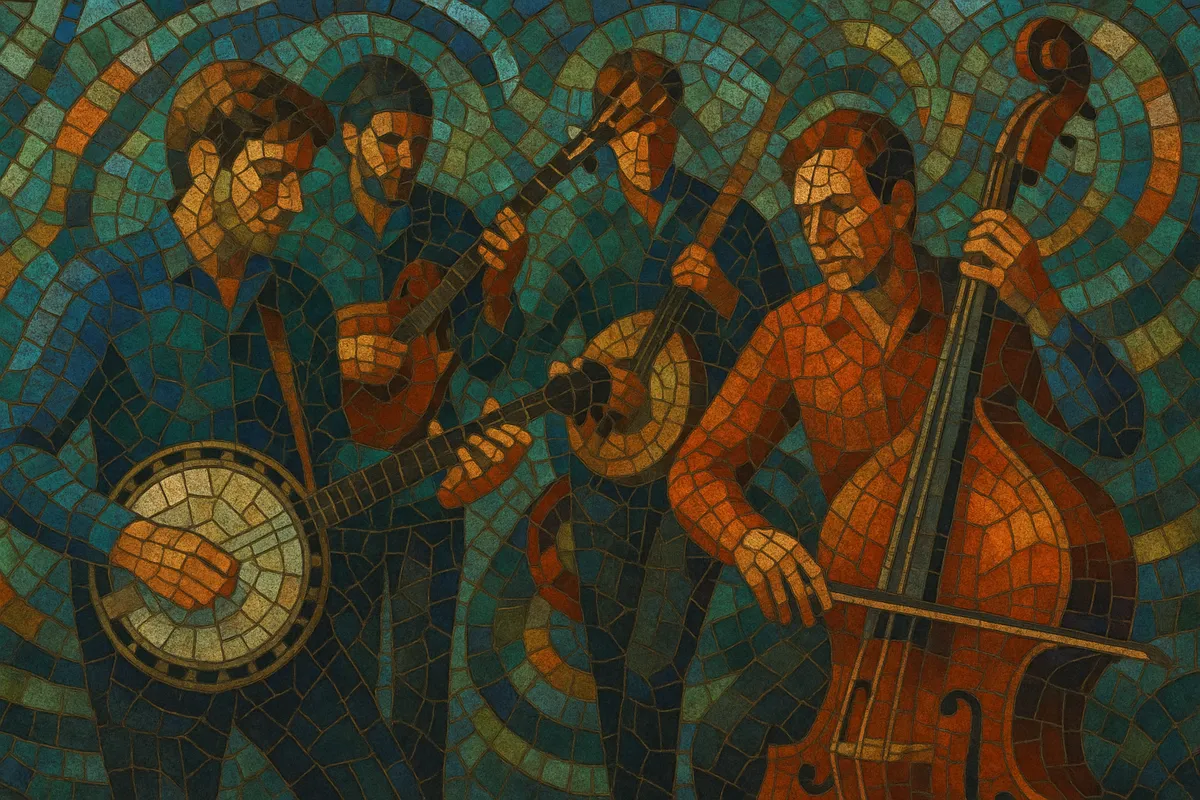
Progressive bluegrass (often nicknamed "newgrass") is a modernized branch of bluegrass that expands the music’s harmonic vocabulary, rhythmic palette, repertoire, and ensemble practice.

It keeps the core acoustic string instrumentation and instrumental virtuosity of traditional bluegrass, but embraces jazz-like improvisation, richer chords (maj7s, 9ths, modal colors), unusual song forms and meters, and arrangements influenced by folk, rock, and contemporary country. Artists frequently reinterpret material from outside the bluegrass canon, introduce new original songwriting, and sometimes add non-traditional instruments (e.g., drums, electric bass, or piano) while retaining the music’s drive, precision, and “high lonesome” legacy.

The result is a style that honors bluegrass roots while inviting experimentation—blending the speed and skill of traditional picking with the flexibility of jazz combos and the songcraft of modern folk and rock.


Sources: Spotify, Wikipedia, Discogs, RYM, MB, user feedback and other online sources

History

Origins (1960s)

Progressive bluegrass emerged in the late 1960s as younger players—raised on Bill Monroe’s tradition yet listening to folk revival, jazz, and rock—began expanding what bluegrass bands could play and how they could arrange it. Pioneering groups like The Dillards and The Country Gentlemen stretched repertoire and harmony, foreshadowing the style’s defining traits: sophisticated chord movement, expanded solos, and non‑traditional song choices.

Expansion and the “Newgrass” moment (1970s)

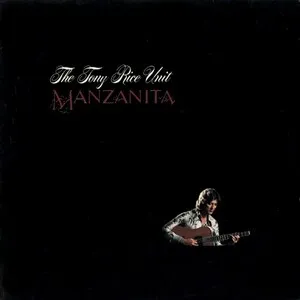
The 1970s crystallized the movement. The Seldom Scene popularized urbane harmonies and adventurous setlists, while New Grass Revival showcased blistering technique, contemporary songwriting, and a fearless embrace of rock, soul, and country influences. Simultaneously, guitarist Tony Rice and mandolinist/composer David Grisman fused bluegrass virtuosity with jazz phrasing and classical precision, codifying a chamber‑like, improvisation‑friendly approach that became foundational to the progressive sound.

Virtuosity and crossovers (1980s–1990s)

By the 1980s and 1990s, a new cohort—Béla Fleck, Jerry Douglas, and others—pushed technique and composition even further, incorporating odd meters, extended harmonies, and long‑form arrangements. Progressive bluegrass interfaced with jam scenes and acoustic jazz, influencing the rise of jamgrass and the broader “new acoustic” movement. Recording and stagecraft also modernized, with pickup systems and sound reinforcement enabling more dynamic, ensemble‑oriented interaction.

21st‑century renewal (2000s–present)

In the 2000s and 2010s, bands like Nickel Creek, Punch Brothers, and The Infamous Stringdusters reframed progressive bluegrass for new audiences, marrying conservatory‑level technique to indie and art‑pop aesthetics while maintaining the idiom’s acoustic core. Today, progressive bluegrass is a vital, evolving space within American roots music—deeply rooted in traditional bluegrass but open to jazz, folk, rock, contemporary country, and beyond.

How to make a track in this genre

Instrumentation and Ensemble
•   Start with the classic bluegrass core: acoustic guitar, mandolin, 5‑string banjo, fiddle, and upright bass. •   Add color judiciously: dobro/resonator guitar is common; some progressive bands include piano, percussion/drum kit, or electric bass for specific textures. •   Favor mic or pickup setups that allow nuance and interplay; ensemble balance is critical.
Harmony and Melody
•   Go beyond I–IV–V. Employ ii–V motion, secondary dominants, modal interchange (mixolydian, dorian), and extended chords (maj7, 9, 11) voiced idiomatically on strings. •   Write melodies that sit naturally on fretted instruments yet leave space for improvisation; use modal riffs and open‑string drones for drive.
Rhythm and Form
•   Keep the bluegrass engine (boom‑chuck guitar, mandolin chop) but experiment with meters (5/4, 7/8), metric modulation, and half‑time/stop‑time sections. •   Structure tunes to feature trading solos (“breaks”) and dynamic contour: head → solos → reharmonized head/outro is a common arc.
Improvisation and Arrangement
•   Treat the band like a small jazz combo: develop thematic solos, call‑and‑response, and counter‑lines rather than mere scale runs. •   Arrange textures: drop to duet/trio moments, use unison riffs for impact, re‑harmonize final choruses, and craft intros/tags that frame the song.
Lyrics and Repertoire
•   Blend traditional themes (home, travel, love, trial) with contemporary storytelling and metaphor. •   Reinterpret non‑bluegrass songs (folk, rock, country) with bluegrass technique, altering grooves/harmonies to fit the ensemble.
Practice and Production Tips
•   Woodshed time feel: metronome on 2 & 4, then experiment with subdivision and odd meters. •   Record live when possible to capture interplay; use minimal but clear miking to preserve acoustic timbre. •   Study traditional bluegrass vocabulary first, then layer in jazz phrasing, chromatic approach tones, and modern rhythms.

Top tracks

Locked
Share your favorite track to unlock other users’ top tracks

Upcoming concerts

in this genre
Influenced by
Has influenced

Download our mobile app

Get the Melodigging app and start digging for new genres on the go
© 2026 Melodigging
Melodding was created as a tribute to Every Noise at Once, which inspired us to help curious minds keep digging into music's ever-evolving genres.
Buy me a coffee for Melodigging