Genres
Make Music
Artists
Albums
Challenges
Sign in
Sign in
Albums
By Tyler, The Creator
Albums
By Tyler, The Creator
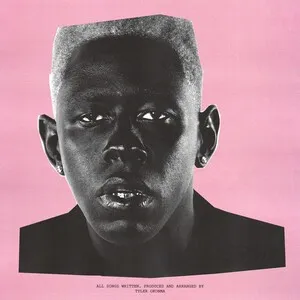
Igor
May 17, 2019
Listen
5
/5
Genres
Tech-Noir
Tech-noir is a musical subgenre and aesthetic within the synthwave and darksynth scenes, characterized by a dark, cinematic, and dystopian atmosphere. It draws heavy inspiration from 1980s science fiction and neo-noir films, blending retro-futuristic synthesizer melodies with driving basslines and industrial elements. The music often incorporates narrative storytelling, spoken word samples, and soundscapes that evoke a sense of urban decay, high-tech menace, and cynical romance.
Discover
Listen
Animutation
Animutation is a surreal, collage-style form of short-form animation that emerged in the early 2000s on the web. Pieces typically juxtapose cut‑out photos of celebrities, public figures, and random objects with frenetic lip‑syncing and rapid, non‑sequitur edits. Most classics were authored in Adobe Flash (now Animate), embracing a deliberately crude, low‑resolution aesthetic: jagged edges, mismatched tweening, garish color clashes, and pop‑up gags layered over hyperactive foreign pop, dance, or novelty tracks. The result is a proto‑meme audio‑visual collage—equal parts absurdist humor, culture‑jamming, and internet folk art.
Discover
Listen
Ecchi
Ecchi (エッチ) is a Japanese pop-culture music tag that foregrounds playful erotic fantasy, cheeky wordplay, and suggestive innuendo rather than explicit content. The tone is flirtatious and comedic, often leaning on “fanservice” tropes familiar from anime and visual novels. Musically, it overlaps heavily with otaku-leaning J‑pop and denpa: hyper-bright synths, bubbly hooks, cute (moe) vocals, call-and-response chants, and cartoonish sound effects. Lyrics frequently pun on double meanings, reference character archetypes, and dramatize blushing, teasing, and comedic embarrassment. Ecchi tracks appear as anime OP/EDs, character songs, and eroge/visual novel themes, as well as doujin and Vocaloid works made for conventions and video platforms. The result is a tongue‑in‑cheek, high‑energy pop aesthetic that is knowingly “pervy” in a light, mischievous way.
Discover
Listen
Neo Soul
Neo soul is a back-to-the-roots subgenre of soul and contemporary R&B that emerged in the mid-to-late 1990s. The term was popularized by executive Kedar Massenburg to describe artists who revived classic soul values while embracing modern production aesthetics. Musically, neo soul blends the warmth of 1960s–70s soul with the rhythmic sensibility of hip hop, plus colors from jazz fusion, funk, and rock. Compared with mainstream contemporary R&B, it typically features more organic instrumentation (Rhodes/Wurlitzer, live bass and drums), harmonically richer progressions, and a laid‑back, behind‑the‑beat groove. Lyrically it tends toward introspective, socially conscious, and spiritual themes, often delivered with jazz-informed phrasing, melisma, and layered background vocals. The overall sound emphasizes authenticity, groove, and an intimate, analog-friendly ambiance.
Discover
Listen
Bullet Hell
Bullet hell (danmaku) refers to a subgenre of shoot ’em up video games defined by screen‑filling patterns of enemy projectiles that demand precise movement and pattern recognition. In music tagging and discourse, “bullet hell” commonly denotes the high‑energy soundtrack aesthetic associated with these games. Musically, bullet hell soundtracks emphasize very fast tempos, assertive and memorable melodies, bright synth leads, driving ostinatos, and dense but readable arrangements that sustain focus under extreme visual pressure. They mix arcade and PC‑98/console timbres (FM, PSG, and early PCM) with later trance, J‑core, and drum & bass production, yielding music that is simultaneously melodic, urgent, and loop‑friendly for stage and boss encounters.
Discover
Listen
Harem
Harem is primarily an anime/manga narrative genre in which multiple girls develop romantic interest in the same male lead (and, in gender-flipped “reverse harem,” multiple boys gather around a female lead). In music discourse, “harem” most often refers to the sound world that accompanies harem anime: bright, hook-driven J‑pop/J‑rock opening themes, tender or wistful ending ballads, and character songs performed by voice actors (seiyu). These tracks emphasize youthful infatuation, comedic misunderstandings, and ensemble chemistry, using glossy pop production, catchy refrains, and sometimes choral “group of friends” textures to mirror the multi‑love‑interest setup. Thus, while harem itself is a story genre, it has a recognizable musical profile within the broader sphere of Japanese anime music (anisong).
Discover
Listen
Magical Realism
Magical realism (in music) is an aesthetic where everyday, grounded songwriting is interwoven with subtly wondrous or uncanny sonic details. The fantastical is presented as ordinary: field‑recorded sounds feel like characters, folklore instruments sit next to synths, and surreal lyrics are narrated in a matter‑of‑fact voice. Rather than aiming for pure fantasy or psychedelia, the style keeps one foot in reality—acoustic timbres, intimate vocals, and story‑like verses—while the other foot introduces inexplicable textures, mythic motifs, or dream logic. The effect mirrors literary magical realism: magical elements are blended seamlessly with a realistic atmosphere to reveal a deeper sense of reality, culture, memory, and place.
Discover
Listen
Machinima
Machinima is a form of animation that uses the real‑time graphics engines of video games to create scripted or improvised films. Creators stage performances inside a game or engine, capture the action from virtual cameras, and assemble the footage with traditional post‑production—much like live‑action filmmaking, but inside a simulated world. The technique ranges from quick, voice‑over comedy skits to fully storyboarded cinematic narratives with custom assets, motion paths, and multi‑actor choreography. Early machinima emerged from first‑person shooter demo recordings and quickly evolved into serial storytelling and internet video, helping pioneer real‑time virtual production long before modern game‑engine filmmaking became common.
Discover
Listen
Dystopian
Dystopian music is a thematic style that evokes societies under repressive control, surveillance, and decay—often imagined in near‑ or far‑future settings. Sonically, it blends industrial abrasiveness, mechanical rhythms, and shadowy ambient textures with synth‑driven timbres and cinematic sound design. The result is a sense of unease, alienation, and technological overreach that mirrors the dystopian fiction tradition in literature and film.
Discover
Listen
Found Footage Horror
Found footage horror is a horror subgenre built around the conceit that what the audience is seeing (and hearing) was recorded by the characters themselves on consumer equipment. Musically, this yields a distinctive "anti-score": long stretches of room tone, mic clipping, tape hiss, HVAC hums, and environmental noises replace traditional cues. When non‑diegetic music appears at all, it is sparse—often low drones, sub‑bass rumbles, metallic scrapes, or degraded cassette/VHS textures that feel like artifacts inside the fiction rather than an external soundtrack. Because the camera is usually handheld and the audio is captured "on the mic," the sonic language overlaps with dark ambient and electroacoustic practice: reality-based sound, abrupt dynamic jumps, silence-as-tension, and found sounds processed into dread. Iconic examples (from Cannibal Holocaust to The Blair Witch Project, Paranormal Activity, REC, Cloverfield, and Host) codified a palette where sound design carries the horror as much as music does.
Discover
Listen
Buddy Cop
Buddy cop (as a soundtrack/style) refers to the sleek, urban action-music language that grew around 1980s and 1990s buddy-cop films: glossy analog and early-digital synths, punchy drum machines, bluesy electric guitar licks, and expressive saxophone leads. It typically balances propulsive action cues (for chases and shootouts) with cool, nocturnal grooves (for stakeouts and street-lit cityscapes), reflecting the contrast between the two protagonists: one volatile, one restrained. Harmonies often lean on minor-key progressions with modal color (Aeolian/Dorian), while hooks are delivered as memorable synth riffs or guitar/sax motifs. Production is characteristically “big 80s”: gated-reverb snares, chorus-laden guitars, and bright, FM/analog synth timbres—occasionally folding in funk-rock, jazz fusion, and, by the mid‑90s, touches of hip‑hop and new jack swing for swagger.
Discover
Listen
Gothic Horror
Gothic horror (in music) is an atmospherically driven dark style that draws on the imagery and sensibilities of Gothic art and literature—cathedrals, ruins, nocturnal rituals, funereal dress—to evoke a bleak, uneasy, and dreamlike mood. Musically it blends the brooding pulse of post‑punk and dark wave with church‑like organs, choirs, tolling bells, and orchestral colors inherited from Baroque and Romantic concert music. Expect minor keys, chant‑like melodies, chromatic harmonies, deep reverbs, and slow to mid‑tempo beats that suggest ritual procession as much as rock or electronic dance. Whether produced by rock bands, dark‑ambient projects, or soundtrack‑oriented composers, the result is cinematic, somber, and slightly otherworldly—like stepping into a candlelit nave at midnight.
Discover
Listen
High Fantasy
High fantasy music evokes worlds that are fully invented and governed by their own laws, pantheons, and mythic histories. It is commonly associated with epic quests, ancient kingdoms, and magical forces. In practice, it blends orchestral film/game scoring with folk and medieval colors, choral writing, and at times symphonic or power metal. Textures range from pastoral (harp, whistles, soft strings) to martial (taiko/low drums, brass fanfares), with leitmotifs that represent characters, places, and factions. Set in a fictional world run by its own laws separate from the real world, the style prioritizes world‑building through timbre, modality, and recurring themes.
Discover
Listen
Narco Pelicula
Narco película is a Mexican film subgenre whose stories center on fictionalized depictions of drug trafficking, cartel life, and the social worlds that surround them. Emerging in the late 1980s and booming through the 1990s direct‑to‑video market, these movies are fast‑paced crime dramas that blend action, melodrama, and moral fables about ambition, loyalty, and betrayal. Although narco película is fundamentally a cinematic category, music is essential to its identity. Soundtracks and diegetic songs commonly feature corridos (especially narcocorridos), norteño and banda ensembles, and ranchera balladry. Accordion, bajo sexto or requinto, tuba, brass, and snare‑driven two‑step rhythms frame narrative songs that name places, protagonists, and exploits—mirroring the films’ plotlines and giving the genre a distinctive musical signature tied to regional Mexican traditions.
Discover
Listen
Brickfilm
Brickfilm is a stop‑motion animation style that uses interlocking plastic bricks—most commonly LEGO—and their minifigures to tell stories. Filmmakers build sets from bricks, pose figures frame by frame, and photograph each incremental movement to create motion when the images are sequenced. The medium embraces the toy’s modularity: walls, props, vehicles, and even special effects can be constructed from bricks, while post‑production adds sound design, music, and occasional CG compositing. Though it spans every genre (comedy, action, sci‑fi, drama), brickfilm is united by its playful, tactile aesthetic and the unmistakable look and limitations of minifigure performance. Since the late 1990s and early 2000s, brickfilm has flourished online, with a large community of hobbyists and professionals sharing work, techniques, and running fast‑turn contests. The style ranges from rough single‑weekend shorts to meticulously lit, cinematic productions shot with dedicated stop‑motion rigs.
Discover
Listen
Cannibal
Cannibal is a niche soundtrack-anchored genre tag tied to the Italian “cannibal” exploitation film cycle that peaked from the mid‑1970s to early 1980s. Musically, it blends lush European library/easy‑listening orchestration, prog‑rock rhythm sections, jazz/funk instrumentation, and so‑called “tribal” percussion and flutes, set against dark, suspenseful harmonic beds. Its aesthetic aims for high shock value consistent with the films’ violent and transgressive subject matter, juxtaposing deceptively beautiful themes with dread, ambient dissonance, and percussive ritual cues. Contemporary dark electronic and extreme metal acts sometimes reference this palette to evoke jungle survivalism, taboo, and visceral tension.
Discover
Listen
Video Game Music
Video game music (VGM) is the soundtrack or background music composed specifically to accompany and enhance interactive gameplay. In its earliest decades, VGM was bound by severe hardware constraints: simple programmable sound generators (PSG) and later FM-synthesis chips limited composers to a handful of monophonic channels, basic waveforms, and tiny memory footprints. Those constraints forged a distinctive, catchy, loop-based idiom—often called “chip music” or “8‑bit”—that became the emblematic sound of early games. As technology advanced, VGM expanded into rich orchestral, rock, electronic, and hybrid palettes and adopted adaptive/interactive scoring techniques so the music could change with the player’s actions. Today it spans everything from intimate, textural ambience to full symphonic epics, while still celebrating its retro chip heritage.
Discover
Listen
Body Horror
Body horror (as a soundtrack style) is music crafted to evoke visceral transformations of the human body—mutilation, mutation, decay, degeneration, and grotesque metamorphosis—typically associated with the body‑horror film subgenre. Instead of traditional "themes and scares," it leans on disturbing timbres, invasive textures, and physiological pacing that mirror on‑screen flesh becoming other. Composers achieve this through atonal clusters, extended instrumental techniques, distorted electroacoustic processing, and industrial/noise sound design, often intercut with pulse-like rhythms (heartbeats, spasms, labored breathing) and wet, organic Foley. The result is an unsettling, tactile sound world that feels invasive, medicalized, and transformative—consistent with the body-horror focus on graphic bodily change.
Discover
Listen
Jitsuroku Eiga
Jitsuroku eiga ("true record films") is a gritty strain of Japanese crime cinema that blossomed in the early–mid 1970s. Although fundamentally a film subgenre, it carries a distinct musical identity in its scores: lean, documentary‑like underscore punctuated by tough, streetwise cues. Musically, jitsuroku eiga soundtracks fuse jazz and funk rhythm sections (dry drums, prominent bass, wah‑wah guitar) with sharp brass stabs, suspense strings, and occasional traditional colors (shakuhachi, taiko). Themes tend to be terse and motif‑driven rather than lushly melodic, reinforcing the genre’s semi‑documentary realism and moral ambiguity. The overall sound is tense, hard‑edged, and urban—ideal for chronicles of clan conflicts, police corruption, and post‑war social fracture.
Discover
Listen
Low Fantasy
Low fantasy (as a musical style tag) refers to scores and soundworlds that evoke grounded, real‑world settings into which subtle, anomalous magical elements intrude. Rather than the sweeping, high‑romance orchestration of epic or high fantasy, low‑fantasy music is typically intimate, textural, and restrained. Expect chamber‑scale orchestration, earthen percussion, drones and pads, folk timbres (plucked strings, wooden flutes), and minimal harmonic motion. The mood generally favors ambiguity and wonder mixed with unease—music that keeps one foot in a rational, lived reality while hinting at something otherworldly just beneath the surface.
Discover
Listen
Poliziotteschi
Poliziotteschi (often called poliziottesco in Italian) refers to Italy’s gritty cycle of police and crime films made chiefly in the 1970s. Musically, these films were scored with a hard‑hitting blend of jazz‑funk, electric rock, and cinematic orchestration that mirrored the genre’s urban violence, high‑speed chases, and moral ambiguity. Typical scores feature wah‑wah guitars, driving breakbeats, muscular electric bass ostinati, biting brass sections, Rhodes/Clavinet keyboards, analog synth colors, and tense string figures. While firmly Italian in melody and arrangement, the sound was heavily influenced by contemporaneous French and American crime cinema and the funk/blaxploitation idiom, yielding a stylish, propulsive, and menacing musical language that has become a crate‑digging staple and a touchstone for modern “cinematic soul.”
Discover
Listen
Snuff Film
Snuff film refers to the alleged production and distribution of motion pictures that depict real, non-staged homicide for commercial gain. While the term entered public discourse in the early 1970s and inspired sensational media coverage and moral panics, scholars generally agree that commercially circulated, studio-made snuff films—strictly defined—have not been verified. Instead, the label became a cultural myth that bled into exploitation cinema, pseudo-documentary horror, and later internet shock media. As an aesthetic, the idea of “snuff” profoundly influenced music and audiovisual subcultures that trade in extremity, transgression, and visceral affect. Industrial, noise, power electronics, harsh noise wall, dark ambient, witch house, and horrorcore often borrow the grainy textures, degraded fidelity, voyeuristic framing, and claustrophobic tension associated with snuff myths—strictly in fictional or symbolic form. Any actual depiction or facilitation of real harm is illegal and unethical; contemporary artists instead explore the trope as critique, simulation, or metaphor for media violence and desensitization.
Discover
Listen
Triad Film
Triad film is a crime‑cinema genre centered on Chinese Triad organizations and their subculture of brotherhood, loyalty, and violent entrepreneurship. It typically follows gang hierarchies, internal power struggles, and uneasy relationships with law enforcement. Stylistically, triad films mix gritty realism with stylized action, favoring moody lighting, nocturnal cityscapes, and a moral universe where friendship and honor clash with betrayal and corruption. While action and suspense are prominent, the genre also leans on melodrama and tragic arcs that humanize criminals and undercover cops alike. Although triad activity is transnational, the genre as codified in popular culture grew out of Hong Kong cinema and focuses on the China‑based crime syndicate of the same name, later expanding through co‑productions and remakes that carried its imagery and narrative tropes worldwide.
Discover
Listen
Vigilante
Vigilante is a film subgenre centered on a lone protagonist who, driven by personal loss or outrage, abandons formal law and order to pursue extra‑legal justice—often through escalating violence. Stories emphasize moral ambiguity, urban decay, and the perceived inadequacy of institutions to protect citizens. Its signature tone is gritty and uncompromising: night streets slick with rain, sirens and subways in the distance, and protagonists (sometimes cops, sometimes ordinary people) pushed past their limits. The musical language that came to define classic vigilante cinema mixes late‑noir "crime jazz" with 1970s urban funk and, later, analog synth menace—wah‑wah guitars, Rhodes electric piano, brass stabs, ostinato bass lines, and minor‑key, chromatic harmonies that heighten dread and determination.
Discover
Listen
Hip Hop
Hip hop is a cultural and musical movement that emerged from Black, Latino, and Caribbean communities, centering around rapping (MCing), DJing/turntablism, sampling-based production, and rhythmic speech over beats. It prioritizes groove, wordplay, and storytelling, often reflecting the social realities of urban life. Musically, hip hop is built on drum-centric rhythms (from breakbeats to 808 patterns), looped samples, and bass-forward mixes. Lyrically, it ranges from party anthems and braggadocio to political commentary and intricate poetic forms, with flow, cadence, and rhyme density as core expressive tools. Beyond music, hip hop encompasses a broader culture, historically intertwined with graffiti, b-boying/b-girling (breakdance), fashion, and street entrepreneurship, making it both an art form and a global social language.
Discover
Listen
Computer Graphics
Computer graphics (as a visual style used with music and audiovisual culture) consists of images and motion built entirely through computation—mathematical functions, procedural rules, and code rather than lenses or physical drawing. Its hallmark is the generation of geometric forms, algorithmic textures, particle systems, fractals, point/line/mesh abstractions, and shader-based effects that evolve over time. In music contexts, these visuals are often synchronized to sound, yielding reactive patterns, beat-synced transformations, and spectrum-driven animations.
Discover
Listen
Sadistic Horror
Sadistic horror is a horror film subgenre whose narratives and imagery center on captivity, cruelty, and the spectacle of bodily threat. In music terms, it favors cues that amplify dread and pain through abrasive textures, infrasonic pressure, and sudden shock stingers. Prominently featuring scenes of torture and degradation, its scoring language leans on extended techniques for strings and winds, metallic percussion and foley, granular and spectral processing, and atonal or microtonal harmonies. The result is a claustrophobic, oppressive sound world designed to make the audience feel trapped alongside the on‑screen victims.
Discover
Listen
Ink-Wash Animation
Ink-wash animation (as a music-tagged genre) refers to the soundtrack and scoring approach associated with Chinese ink-wash (shuimo) animated films. It aims to translate the aesthetics of traditional Chinese ink painting into sound: sparse, brush-like gestures; large amounts of “negative space” (silence); and timbres drawn from Chinese classical and folk instruments. Rather than Western cartoon scoring with constant mickey-mousing, ink-wash animation music typically supports atmosphere, poetic pacing, and visual breath, often leaning toward guqin- and dizi-centered chamber textures.
Discover
Listen
Computer Animation
Computer animation is animation created with digital software. It encompasses both 2D (vector and raster) and 3D (CGI) techniques, where movement is generated by keyframing, interpolation, procedural systems, physics simulation, and motion capture. The medium emerged from early computer graphics research and matured into a full production pipeline used for films, television, games, web series, and scientific visualization. Modern computer animation integrates modeling, rigging, texturing, lighting, rendering, and compositing, supported by powerful rendering engines and real‑time game technologies.
Discover
Listen
Halloween Music
Halloween music is a cross-genre repertoire defined less by a single stylistic syntax and more by its association with the secular holiday of Halloween and its themes of horror, the uncanny, and the supernatural. It spans novelty hit singles, haunted-house sound‑effects albums, spooky children’s songs, horror-film cues, and goth/industrial and dark electronic tracks that surge in popularity every October. Common sonic markers include minor keys, tritones and diminished harmony, pipe or theater organs, eerie strings, theremin- or synth-like glides, creaks, howls, and thunderclaps. Lyrically and iconographically it references monsters, ghosts, witches, vampires, skeletons, and trick‑or‑treat imagery. Because it is tied to a season and a cultural ritual, Halloween music functions as a flexible umbrella that can encompass vintage novelty rock (e.g., Monster Mash), cinematic horror scores, and danceable pop suitable for parties, provided it evokes a spooky, playful, or theatrically macabre mood.
Discover
Listen
Mahō Shōjo
Mahō shōjo ("magical girl") is a Japanese media genre whose stories center on a girl or group of girls who gain magical powers, often through a pact or contract with a supernatural being, and use those powers to balance everyday life with heroic responsibility. Musically, the genre’s sound world is defined by bright, hook‑forward anison (anime song) aesthetics, idol‑style pop choruses, and transformation themes that blend orchestral sparkle (strings, brass, chimes, glockenspiel) with synths and rock rhythm sections. Openers and endings are typically high‑energy J‑pop tailored for dance routines and call‑and‑response, while background scores alternate between whimsical slice‑of‑life cues and triumphant, leitmotivic battle music. Darker deconstructions of the genre (e.g., psychological or tragic storylines) shift toward minor modes, choral textures, and dramatic harmony while retaining recognizably “magical girl” thematic signifiers.
Discover
Listen
Polar
In French usage, “polar” refers to crime fiction; by extension, musique de polar denotes the distinctive sound of French crime-film scores from the 1960s–70s and their modern continuations. Musically it blends cool-jazz harmonies, noir-ish vibraphone and brushed drums with tense ostinatos for double bass, tremolo electric guitar, Hammond/Clavinet riffs and small string sections. Composers often alternate sparse, minor‑key cues for surveillance and dread with funkier chase cues and melancholic themes, creating a palette that is both urban and intimate. Notable early exemplars include Michel Magne’s 1965–67 crime scores later compiled as “Polars,” and François de Roubaix’s airy, modernist crime themes; recent French crime films keep the tradition alive with updated orchestration and electronics.
Discover
Listen
Sand Animation
Sand animation is a frame-by-frame and live performance animation technique in which artists manipulate sand on a backlit or frontlit pane of glass while a camera captures the evolving images from above. By pushing, brushing, pouring, and erasing sand, the animator creates high-contrast silhouettes, gradients, and textures that transform fluidly from one scene to another. Because it is drawn with granular material in continuous motion, sand animation naturally favors metamorphosis, dissolves, and crossfades rather than hard scene cuts. The look ranges from bold, graphic silhouettes to painterly, smoky tones, and the process lends itself both to studio-made films (shot one frame at a time) and to live stage performances synchronized with music.
Discover
Listen
Soul
Soul is a genre of popular music that blends the spiritual fervor and vocal techniques of African‑American gospel with the grooves and song forms of rhythm & blues and the harmonic palette of jazz and blues. It is defined by impassioned, melismatic lead vocals; call‑and‑response with backing singers; handclaps and a strong backbeat; syncopated bass lines; and memorable horn or string riffs. Typical instrumentation includes drum kit, electric bass, electric guitar, piano or Hammond organ, horns (trumpet, saxophone, trombone), and sometimes orchestral strings. Lyrically, soul ranges from love and heartbreak to pride, social commentary, and spiritual yearning. Regionally distinct scenes—such as Detroit’s Motown, Memphis/Stax, Muscle Shoals, Chicago, New Orleans, and Philadelphia—shaped different flavors of soul, while the style’s emotional directness and rhythmic drive made it a cornerstone of later funk, disco, contemporary R&B, and hip hop.
Discover
Listen
Police Procedural
Police procedural is a screen-driven genre whose stories follow the investigative work of law enforcement and/or forensics teams in their attempts to solve a crime and/or have criminals arrested. As a musical style associated with these films and series, it blends noir-influenced jazz, propulsive funk and rock rhythms, and later electronic/synth textures with suspenseful orchestral writing. The resulting sound world supports surveillance, interrogation, pursuit, and revelation: terse motifs for clues, anxious ostinatos for tailing suspects, stingers for jump-cuts, and cathartic cadences when cases close.
Discover
Listen
Dacoit Film
Dacoit film is an Indian cinema subgenre centered on the lives and outlaw activities of rural bandits (“dacoits”) in the Indian subcontinent. Musically, these films blend the idioms of Hindi film songwriting with rustic North Indian folk colors and the dramatic, twangy orchestration of Westerns. Expect keening flutes (bansuri), sarangi and harmonium for pathos; dholak, nagara, and khartal for earthy drive; plus trumpets, whistling, and electric guitars that echo spaghetti‑western tension. Songs often alternate between village festivities and ballads of honor, vendetta, and fate, while the background score leans on galloping rhythms and stark modal motifs to power chases and standoffs.
Discover
Listen
R&b
R&B (Rhythm and Blues) is a vocal- and groove-centered popular music tradition that blends blues tonality, jazz harmony, and gospel-inflected singing with a steady backbeat. It emphasizes expressive lead vocals, call-and-response, lush harmonies, and danceable rhythms. From its 1940s roots in African American communities to its later evolutions, R&B has continually absorbed and reshaped surrounding sounds—from jump blues and swing in the early days to soul, funk, hip hop, and electronic production in the contemporary era. Today, R&B ranges from intimate, slow-burning ballads to club-ready tracks, all tied together by a focus on feel, melody, and vocal performance.
Discover
Listen
Film Gris
Film gris is a postwar American variant of film noir defined by its even harsher cynicism, systemic social critique, and a relentless blurring of the moral line between good and bad. Where classic noir often pits a doomed individual against fate, film gris widens the frame to implicate institutions—business, law, media, and politics—suggesting that corruption is structural rather than accidental. Stylistically, it keeps noir’s shadow-rich photography and fatalistic tone, but leans more into semi-documentary realism: greater use of location shooting, working‑class settings, and socially topical plots. Protagonists are morally compromised strivers (lawyers, truckers, sportsmen, cops, small-time crooks) ensnared in rigged systems. Endings tend to be bleak or inconclusive, emphasizing the costs of complicity and the difficulty of reform.
Discover
Listen
Psychological Horror
Psychological horror (as a music/style of scoring) uses sound to destabilize the listener’s sense of safety and to suggest inner turmoil rather than external, monster-on-screen threat. Instead of relying on loud "stingers" alone, it leans on ambiguity, silence, uneasy timbres, and subtly shifting textures to evoke dread, paranoia, and obsession. Common devices include lullabies made uncanny, breath-like drones, dissonant clusters, and noises that blur the line between diegetic sound and score. Classic examples range from Krzysztof Komeda’s nursery‑rhyme theme for Rosemary’s Baby—sweet on the surface, sinister in context—to game scores that weaponize quiet, space, and industrial ambience to mirror characters’ fractured psyches.
Discover
Listen
Crime
A cinematic musical tradition developed to accompany narratives about criminal activities, the lives of criminals, and their effects on the people around them. Musically, it is characterized by a tense, atmospheric, and often gritty sound palette that evolved from the 'Crime Jazz' of film noir—featuring walking basslines, dissonant brass, and smoky saxophones—into the 'Crime Funk' of 1970s cop shows, defined by wah-wah guitars and breakbeats. It serves to underscore suspense, danger, and the moral ambiguity of the urban underworld.
Discover
Listen
Paint-On-Glass Animation
Paint-on-glass animation is a frame-by-frame animation technique in which an artist manipulates wet media (typically oil paint, gouache, or acrylics kept workable with additives) directly on panes of glass placed under a camera. Each incremental change is photographed, creating fluid, painterly motion when played back. Because the artwork is reworked continuously on the same surface (often on multiple layers of glass for depth), the results feature dissolving shapes, smudged transitions, and rich color blending that are difficult to achieve with cels or digital tools. The method is slow and highly artisanal, but prized for its dreamlike, impressionistic look.
Discover
Listen
Parody Music
Parody music is a humorous or satirical approach to music in which an existing song, composer’s voice, or recognizable style is deliberately imitated, altered, or lyrically re-written to make its traits appear exaggerated, ridiculous, or newly meaningful. Unlike simple covers, parody pieces transform musical and/or lyrical content to comment on the original work, current events, or pop culture. Parody can target specific songs, an artist’s broader stylistic fingerprints, or an entire genre’s conventions—often walking a line between affectionate homage and pointed satire.
Discover
Listen
Mafia Film
Mafia film is a crime-cinema subgenre centered on Italian and Italian‑American organized crime syndicates (the Mafia/Cosa Nostra and related clans). Narratives typically explore family hierarchies, codes of honor and omertà, the tension between old‑world tradition and new‑world capitalism, and the tragic costs of power. Musically, the style became strongly codified in the 1970s through scores that blend Italianate lyricism with noir‑era harmony: mournful waltzes, mandolin or accordion colors, solo trumpet or clarinet laments, and lush, elegiac strings. Contemporary entries often juxtapose this palette with curated period source music (doo‑wop, crooner ballads, Italian canzoni) and darker, minimalist textures to underscore brutality and fate.
Discover
Listen
Gangster Film
A gangster film is a crime‑cinema genre centered on gangs and organized crime syndicates—most iconically the Italian‑American Mafia, but also Japanese Yakuza and Chinese Triads—charting the rise and fall of criminals, their codes of loyalty, and the social worlds that enable them. In American usage, the American Film Institute defines the genre as stories about organized crime or maverick criminals in a twentieth‑century setting; the template coalesced in early‑sound Hollywood and later diversified globally. Typical narratives explore power, family, migration, and moral ambiguity, often balancing critique with a stylized allure.
Discover
Listen
Horror
Horror (as a musical style) is music deliberately crafted to elicit fear, dread, and anxiety. It emphasizes tension, surprise, and the uncanny through dissonant harmony, destabilized rhythm, and disturbing timbres. Whether in film, television, games, theater, or concert works, horror music often uses clusters, tritones, micro-intervals, extended instrumental techniques, and sudden loud/quiet contrasts. Sound design is integral: tape manipulations, low-frequency rumbles, unsettling field recordings, and analog or modular synth textures blur the line between score and sonic environment. Above all, the aim is psychological—guiding the audience’s anticipation and startle responses to produce a sustained sense of terror.
Discover
Listen
Supernatural Horror
Supernatural horror (as a musical style) is the sound-world crafted to evoke the occult, ghosts, possession, mythic beasts, and uncanny entities from folklore. It blends orchestral tension, choral ritualism, experimental timbres, and sound design to suggest forces beyond human comprehension. Expect atonal clusters, whispering choirs, pipe organ or harmonium, bowed metals, infrasound, eerie drones, and sudden dynamic shocks. The goal is to conjure dread and numinous awe—sonically staging hauntings, curses, exorcisms, and encounters with the Other.
Discover
Listen
Animation
Animation is a moving-image medium that rapidly displays static imagery to create the illusion of motion and change. Music written for animation is crafted to support this hyper-expressive visual grammar—accenting motion, enhancing character, and articulating comedic timing. Unlike many live‑action scores, animation scoring often embraces tightly synchronized "hit points" (sometimes called Mickey‑Mousing), brisk thematic development, and kaleidoscopic changes of mood to mirror frequent cuts and rapid action. Its stylistic palette ranges from orchestral light music and jazz/big band swing to modern electronic textures and pop songs (especially in anime OP/ED formats).
Discover
Listen
Cartoon
Cartoon music is the fast‑cut, highly synchronized orchestral and jazz‑inflected scoring style written for light‑hearted, hand‑drawn animation—especially short, family‑aimed theatrical or television cartoons. Its signature sound blends classical orchestration with big‑band swing, ragtime, Tin Pan Alley tunes, circus flourishes, and musical "stingers" that track every action on screen (a technique often called "Mickey‑Mousing"). Expect rapid key changes, sudden tempo shifts, witty musical quotations, and colorful percussion and woodwind effects that turn the orchestra into a sound‑effects machine. Although the medium is visual, the musical language of classic cartoons became a genre in its own right, shaping how generations hear comedy, chase sequences, gags, and on‑screen antics.
Discover
Listen
Silhouette Animation
Silhouette animation is a frame‑by‑frame animation technique in which characters and objects appear as flat, black paper cutouts (or their digital equivalents) seen in profile against illuminated backgrounds. Technique inspired by European shadow play and silhouette cutting. Pioneered most famously by German animator Lotte Reiniger, the style uses jointed puppets cut from black card, hinged with wire or rivets, and animated on a backlit glass table or multiplane rig. Its stark contrast, flowing cut‑paper articulation, and ornate backdrops lend themselves to fairy‑tale, mythic, and dreamlike narratives. Modern variants can be fully digital, but the core aesthetics—crisp contours, expressive profiles, filigreed scenery, and light‑through‑shadow staging—remain central.
Discover
Listen
Cutout Animation
Cutout animation is a 2D stop‑motion technique in which characters, props, and backgrounds are physically cut from flat materials—typically paper, card, fabric, or photographs—and animated frame by frame on a tabletop or multiplane stand. The method relies on hinged or replaceable parts (arms, legs, mouths) that are repositioned between exposures, producing motion without redrawing each frame. Its look ranges from delicate silhouette fairy‑tales to irreverent collage comedy, and in the digital era the same principles are emulated with rigged “cutout” puppets in software. In short: it is animation built from cut materials—paper, card, or photos—moved incrementally under the camera.
Discover
Listen
Electronic
Electronic is a broad umbrella genre defined by the primary use of electronically generated or electronically processed sound. It encompasses music made with synthesizers, drum machines, samplers, computers, and studio/tape techniques, as well as electroacoustic manipulation of recorded or synthetic sources. The genre ranges from academic and experimental traditions to popular and dance-oriented forms. While its sonic palette is rooted in electricity and circuitry, its aesthetics span minimal and textural explorations, structured song forms, and beat-driven club permutations. Electronic emphasizes sound design, timbre, and studio-as-instrument practices as much as melody and harmony.
Discover
Listen
A Cappella
A cappella is vocal music performed without instrumental accompaniment, by soloists or ensembles. The term, Italian for “in the manner of the chapel,” originally distinguished Renaissance polyphonic practice from Baroque concertato styles where instruments often doubled voices. Over the 19th century—amid a revival of Renaissance polyphony and a mistaken assumption that such music was always sung unaccompanied—the term solidified to mean any unaccompanied vocal performance. Today a cappella spans sacred and secular idioms, from chant and polyphony to doo‑wop, vocal jazz, collegiate and professional pop groups, and contemporary styles featuring vocal percussion and microphone technique. Very rarely, the term has also been used as a synonym for alla breve (cut time), though this usage is uncommon in modern practice.
Discover
Listen
Kalanta
Kalanta (κάλαντα) are Greek carols traditionally sung on the eves of Christmas, New Year, and Epiphany. The repertoire comprises distinct songs for each feast: Nativity kalanta celebrate Christ’s birth, New Year’s kalanta invoke St. Basil, and Epiphany kalanta recount the Baptism of Christ. Etymologically, the term derives from the Latin calendae (first day of the month), reflecting pre‑Christian calendrical customs that were later absorbed and reshaped during the Byzantine period. In practice, children (and sometimes youth choirs) go door‑to‑door, asking “να τα πούμε;” (“shall we sing them?”) and perform with light percussion—most famously a small metal triangle—sometimes joined by santouri, laouto, or regional folk instruments. Householders respond with treats or coins, a custom that has shifted from sweets to monetary gifts in recent decades. Kalanta exhibit rich regional variation (islands, mainland, and diaspora communities), but share a simple, processional melodic profile, memorable refrains, and lyrics offering blessings and prosperity to the household. Signature pieces include the Christmas "Καλήν εσπέραν, άρχοντες" and the New Year’s "Αρχιμηνιά κι Αρχιχρονιά."
Discover
Listen
Similar albums
2010
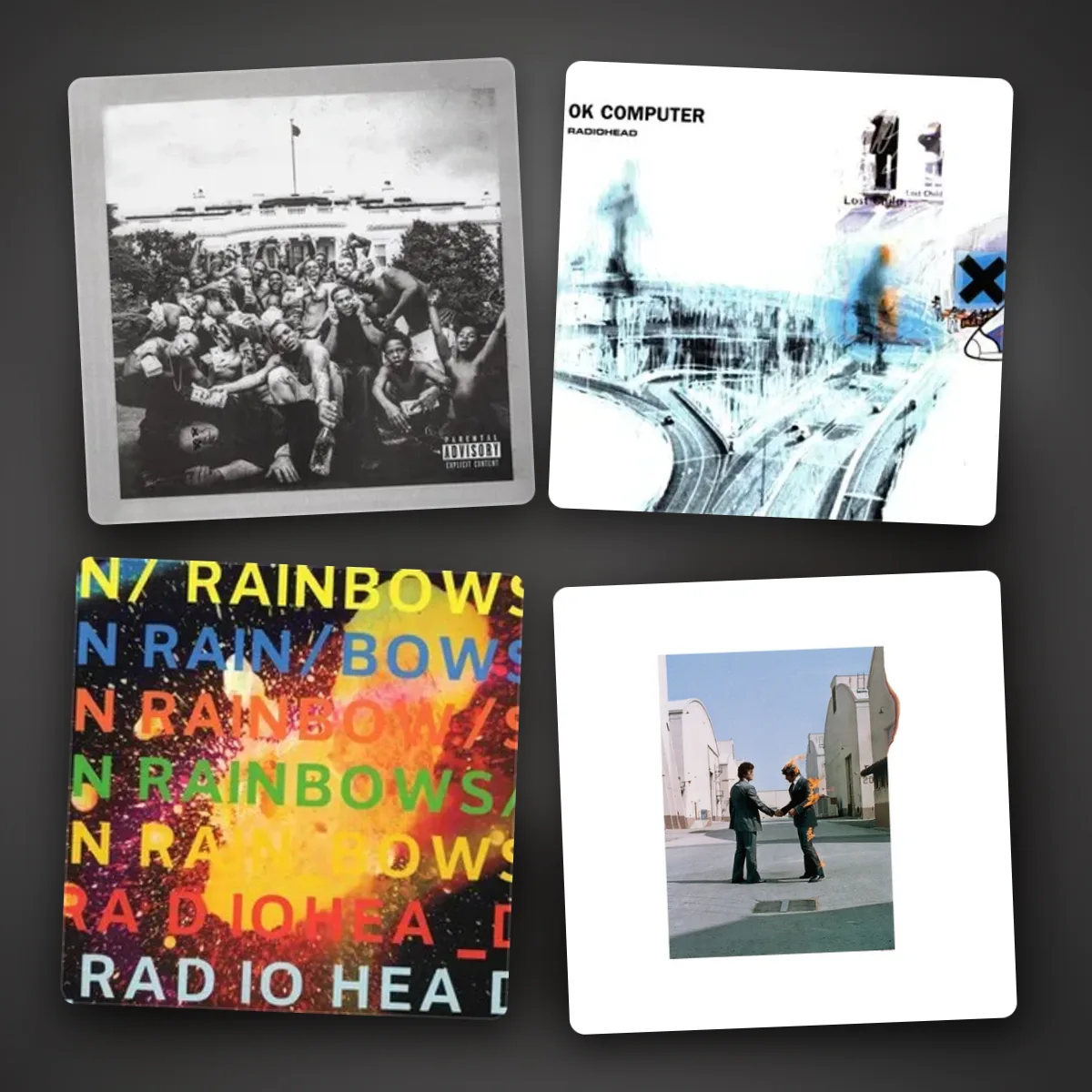
My Beautiful Dark Twisted Fantasy
Kanye West
1994
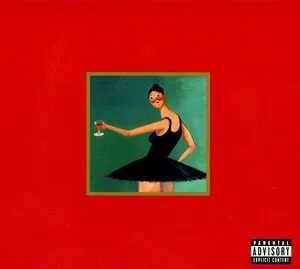
Dummy
Portishead
1994
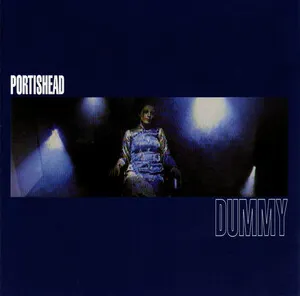
Illmatic
Nas
2012
The Money Store
Death Grips
1996
Long Season
Fishmans
2007
In Rainbows
Radiohead
1972
The Rise and Fall of Ziggy Stardust and The Spiders From Mars
David Bowie
1993
Souvlaki
Slowdive
1959
Kind of Blue
Miles Davis
1963
The Black Saint and the Sinner Lady
Mingus
Download our mobile app
Get the Melodigging app and start digging for new genres on the go
Download on the App Store
Get it on Google Play
© 2026 Melodigging
Give feedback
Legal
Melodding was created as a tribute to
Every Noise at Once
, which inspired us to help curious minds keep digging into music's ever-evolving genres.