Your digging level
Description
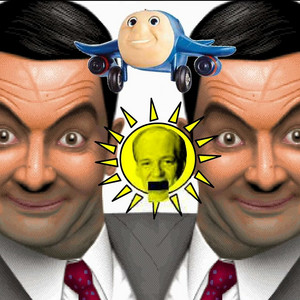
Animutation is a surreal, collage-style form of short-form animation that emerged in the early 2000s on the web. Pieces typically juxtapose cut‑out photos of celebrities, public figures, and random objects with frenetic lip‑syncing and rapid, non‑sequitur edits.
Most classics were authored in Adobe Flash (now Animate), embracing a deliberately crude, low‑resolution aesthetic: jagged edges, mismatched tweening, garish color clashes, and pop‑up gags layered over hyperactive foreign pop, dance, or novelty tracks. The result is a proto‑meme audio‑visual collage—equal parts absurdist humor, culture‑jamming, and internet folk art.
History
Animutation began on early web‑animation hubs (Newgrounds, Albino Blacksheep) as a playful abuse of Adobe Flash’s timeline and symbol tools. American creator Neil Cicierega (aka Trapezoid; later Lemon Demon) popularized the label with fast‑cut, cut‑out collages set to upbeat foreign pop or dance songs. The style leaned into obvious digital seams—blocky selections, rough masks, and jittery tweening—turning technical limitations into comedic punctuation.
Core motifs included celebrity head cut‑outs, chaotic lip‑syncing to unintelligible lyrics, and deliberately mistranslated/misheard subtitles. Recurring inside jokes (like the sudden appearance of comedian Colin Mochrie’s face) helped build a shared vocabulary among creators and fans, strengthening the movement’s folk‑meme character.
Through the mid‑2000s, animutation spread virally via Flash portals and link culture. Its quick, loop‑friendly format fit dial‑up realities and the emerging remix ethos: creators sampled songs and imagery from disparate cultures, forging absurdist mashups that prefigured later meme genres.
Though rooted in Flash, animutation’s DNA carried into YouTube‑era practices: fast montage pacing, sample‑heavy humor, text overlays, and audiovisual “misreading” of source material. It directly informed YTPMV (YouTube Poop Music Videos) and, more broadly, the soundclown/meme‑edit continuum and vapor‑adjacent internet aesthetics. Even as Flash waned, the style’s cut‑up logic migrated to new tools (After Effects, Animate, and non‑linear editors), preserving its impact on net art and meme music culture.