Your digging level
Description
Narco película is a Mexican film subgenre whose stories center on fictionalized depictions of drug trafficking, cartel life, and the social worlds that surround them. Emerging in the late 1980s and booming through the 1990s direct‑to‑video market, these movies are fast‑paced crime dramas that blend action, melodrama, and moral fables about ambition, loyalty, and betrayal.
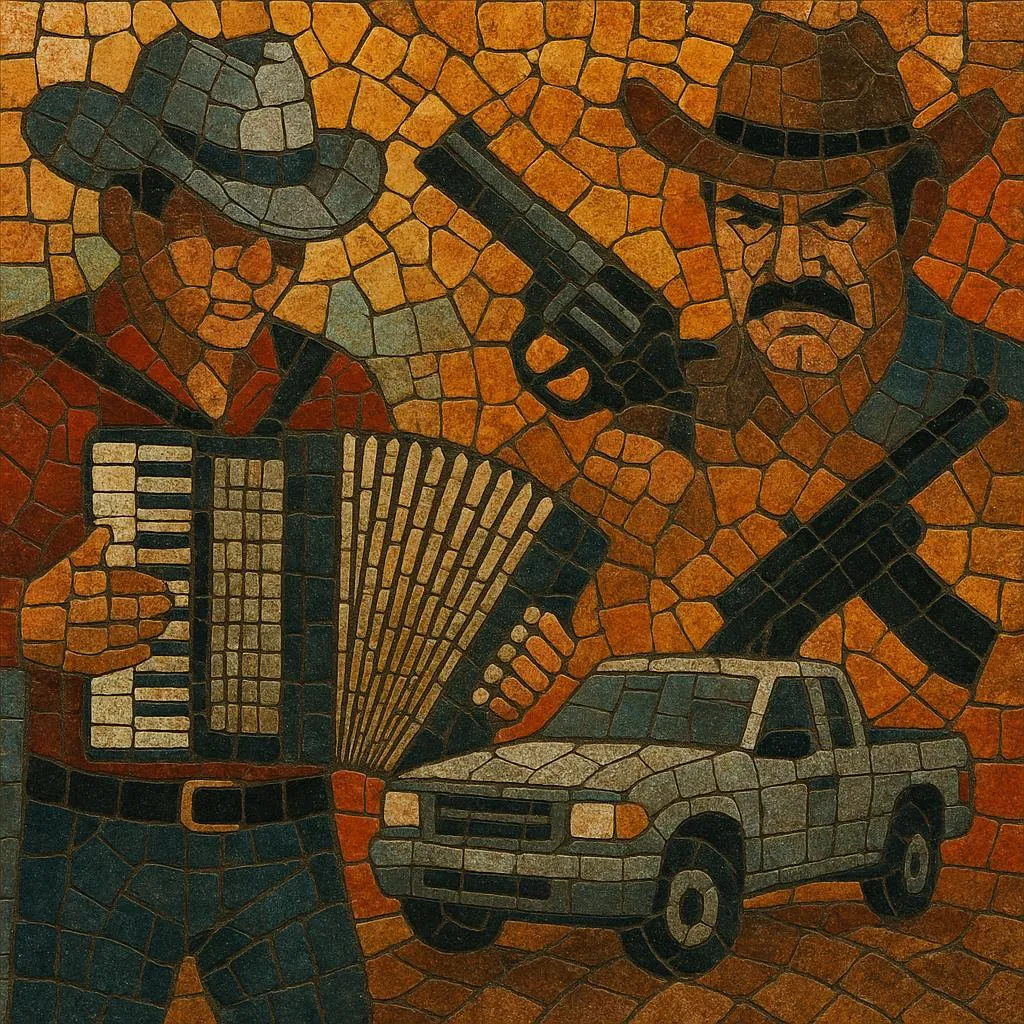
Although narco película is fundamentally a cinematic category, music is essential to its identity. Soundtracks and diegetic songs commonly feature corridos (especially narcocorridos), norteño and banda ensembles, and ranchera balladry. Accordion, bajo sexto or requinto, tuba, brass, and snare‑driven two‑step rhythms frame narrative songs that name places, protagonists, and exploits—mirroring the films’ plotlines and giving the genre a distinctive musical signature tied to regional Mexican traditions.


History
Narco película took shape in Mexico during the late 1980s as low‑ to mid‑budget crime features responding to real‑world headlines about narcotics and border economies. Producers leveraged familiar crime and gangster film templates but localized them with border settings, Spanish‑language dialogue, and music rooted in corrido and norteño traditions.
The genre exploded in the 1990s via direct‑to‑video distribution throughout Mexico and the Mexican/Latine diaspora in the United States. Rapid production cycles, recognizable archetypes (the ambitious trafficker, the loyal lieutenant, the avenging family), and affordable licensing of regional Mexican songs made these films ubiquitous in rental shops and swap meets. Soundtracks frequently included narcocorridos—narrative ballads that paralleled on‑screen plots—blurring lines between film promotion and popular music.
By the 1990s, a sonic palette coalesced: accordion‑led norteño, brass‑heavy banda, and ranchera ballads in 2/4 two‑step or 3/4 waltz feels; narrative lyrics naming plazas, border crossings, and protagonists; and a mix of diegetic band performances with suspenseful underscoring. These musical elements became inseparable from the narco película brand, helping songs travel independently on radio and cassettes while reinforcing film narratives.
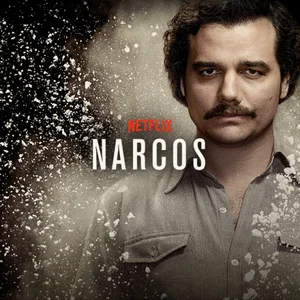
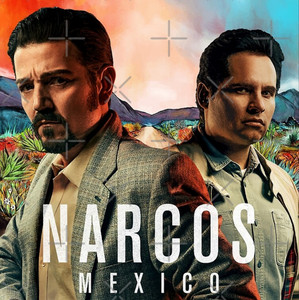
In the 2000s and 2010s, narco‑themed TV series and streaming dramas broadened the audience for narco storytelling. While production values rose, the core musical language—corridos (including modern variants) and banda cues—remained central. Contemporary variants like electro‑corridos and harder‑edged corridos bélicos draw on the genre’s established iconography and narrative songcraft, keeping the feedback loop between screen and regional Mexican music active.