Your digging level
Description
Vigilante is a film subgenre centered on a lone protagonist who, driven by personal loss or outrage, abandons formal law and order to pursue extra‑legal justice—often through escalating violence. Stories emphasize moral ambiguity, urban decay, and the perceived inadequacy of institutions to protect citizens.
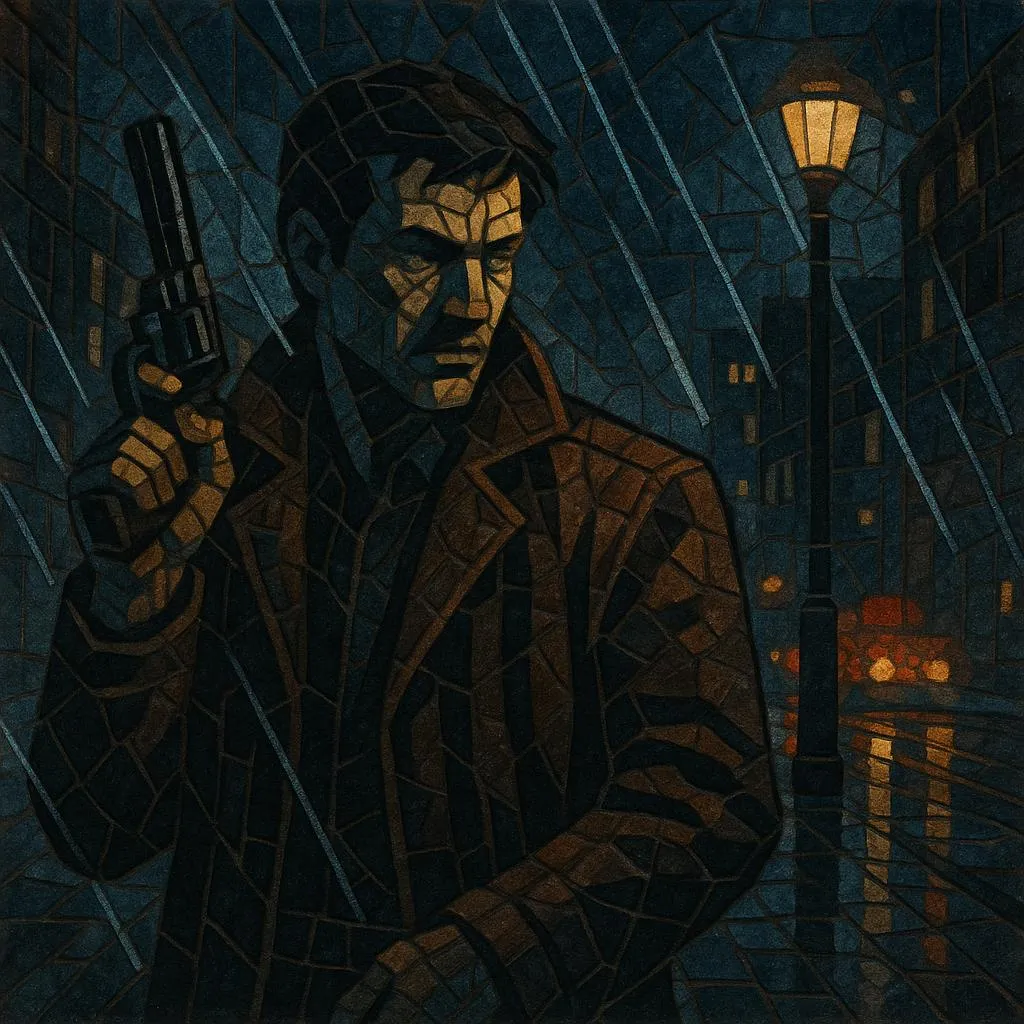
Its signature tone is gritty and uncompromising: night streets slick with rain, sirens and subways in the distance, and protagonists (sometimes cops, sometimes ordinary people) pushed past their limits. The musical language that came to define classic vigilante cinema mixes late‑noir "crime jazz" with 1970s urban funk and, later, analog synth menace—wah‑wah guitars, Rhodes electric piano, brass stabs, ostinato bass lines, and minor‑key, chromatic harmonies that heighten dread and determination.
History
Vigilante cinema coalesced in the United States as urban crime anxieties rose and trust in institutions waned. It absorbed the moral chiaroscuro of classic film noir (and its contemporary offshoot, neo‑noir), the frontier morality of the Western (the lone avenger), and the procedural structure of crime films. The musical backdrop drew on TV/film "crime jazz" and then-current streetwise funk, mapping the city’s nervous system in rhythm and timbre.
Landmark American films—Dirty Harry (1971), Death Wish (1974), and Taxi Driver (1976)—fixed the archetype: a protagonist bypasses procedure to punish criminals. Scores by Lalo Schifrin (Dirty Harry), Herbie Hancock (Death Wish), and Bernard Herrmann (Taxi Driver) fused jazz harmonies, funk grooves, and brooding orchestration. In parallel, blaxploitation’s kinetic funk palettes and militant attitude bled into vigilante’s sonic and thematic DNA.
The template spread internationally. Italian poliziotteschi both anticipated and fed off the American cycle’s grit, while exploitation side currents (e.g., rape‑and‑revenge) amplified the subgenre’s punitive extremity. Electronic instruments—analog synths, drum machines—tightened the musical palette into pulse‑driven ostinati, heightening urban paranoia.
Vigilante elements continue in neo‑noir and action cinema, from morally fraught antiheroes to revenge sagas and Hong Kong’s heroic bloodshed. Contemporary scores toggle between retro crime‑funk signifiers and modern dark electronics, preserving the subgenre’s core: relentless rhythm, shadowy harmony, and the inexorable push of personal justice against a failing order.