Your digging level
Description
Heroic bloodshed is a Hong Kong action-film subgenre defined by balletic, hyper-stylized gunplay and operatic melodrama. It foregrounds themes of brotherhood, honor, duty, loyalty, betrayal, and tragic sacrifice, often framed through Catholic iconography and moral codes.
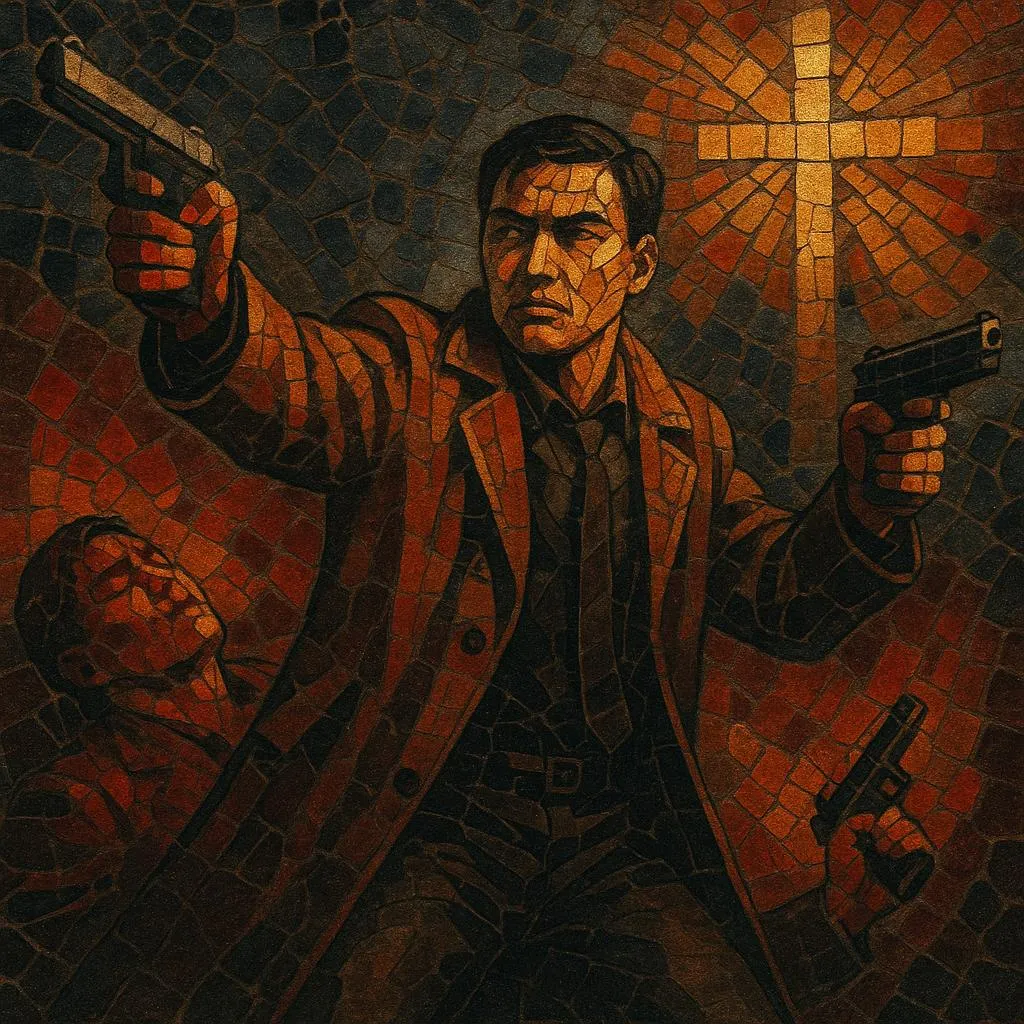
Stylistically, it favors slow-motion “gun-fu” shootouts, dual‑wielded pistols, long takes, and choreographed mayhem set to soaring, sentimental scores or Cantopop ballads. Protagonists are conflicted antiheroes—cops and gangsters whose personal codes collide—producing narratives that entwine criminal underworlds with intimate, doomed friendships.

History
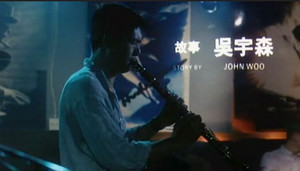
The genre coalesced in mid‑1980s Hong Kong, especially with John Woo’s A Better Tomorrow (1986), which fused triad melodrama with baroque, slow‑motion gunplay and a swelling, sentimental score. Ringo Lam’s City on Fire (1987) contributed a grittier crime realism, while Woo’s The Killer (1989) and Hard Boiled (1992) codified the grammar of dual pistols, doves, confessional imagery, and tragic male bonding.
Heroic bloodshed drew on film noir fatalism and crime melodrama, filtered through the triad film tradition and Japanese yakuza eiga codes of honor. Italian poliziotteschi and the operatic spirit of the spaghetti western informed its grand, stylized violence and moral chiaroscuro. Its soundtracks often juxtaposed synth‑orchestra swells with tear‑stained Cantopop ballads, heightening emotional stakes.
Through the early 1990s, directors like Johnnie To extended the style (e.g., A Hero Never Dies), refining cool minimalism and bullet‑ballet precision. Internationally, the grammar of heroic bloodshed influenced Hollywood action (e.g., balletic gunplay, slow motion, “gun‑fu”) and video game aesthetics. The genre’s ethos—honor among violent men, sacrificial friendship—became a global action touchstone.
Even as industry tides shifted, its iconography and moralism recur in contemporary crime and neo‑noir cinema, Asian action cycles, and stylized police procedurals. Its emotive scoring practices—big, lyrical themes under violent tableaux—remain a template for marrying action kinetics with melodramatic affect.