Your digging level
Description
Triad film is a crime‑cinema genre centered on Chinese Triad organizations and their subculture of brotherhood, loyalty, and violent entrepreneurship. It typically follows gang hierarchies, internal power struggles, and uneasy relationships with law enforcement.
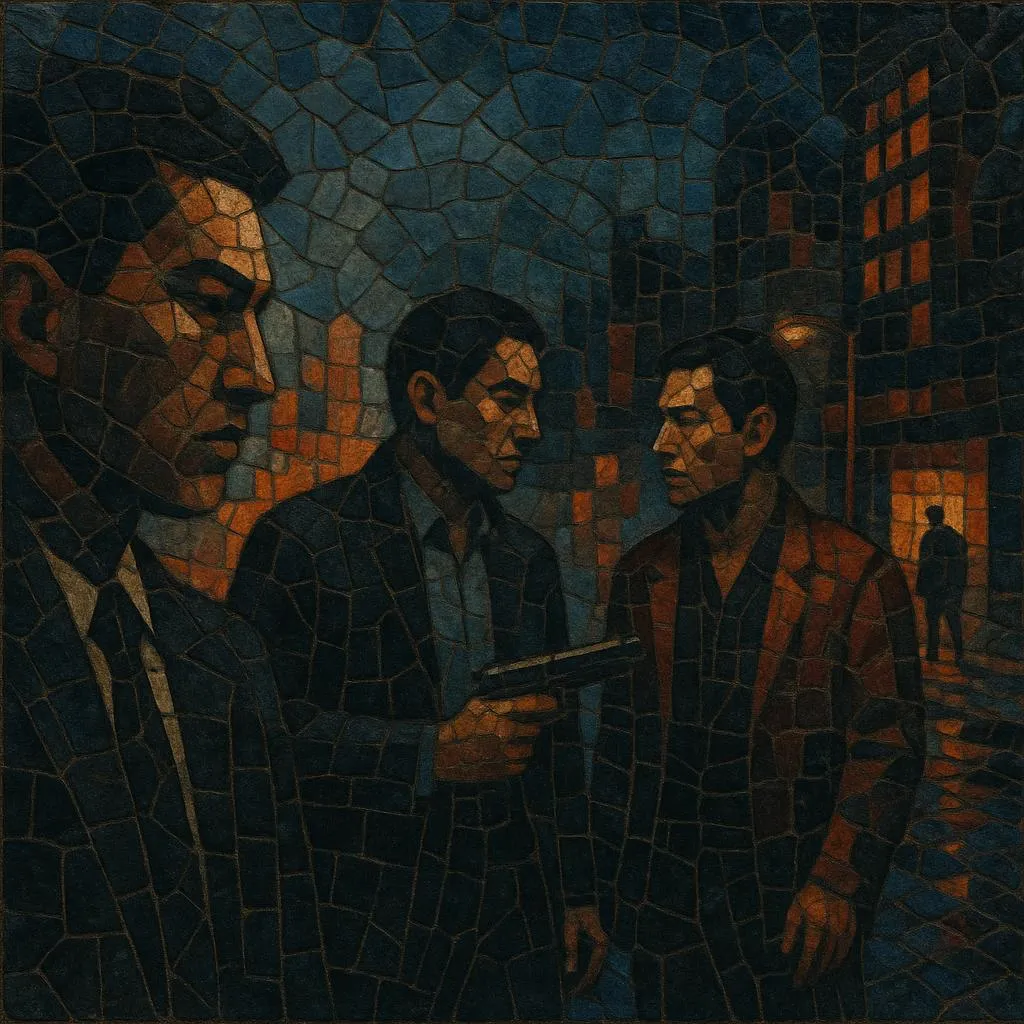
Stylistically, triad films mix gritty realism with stylized action, favoring moody lighting, nocturnal cityscapes, and a moral universe where friendship and honor clash with betrayal and corruption. While action and suspense are prominent, the genre also leans on melodrama and tragic arcs that humanize criminals and undercover cops alike.
Although triad activity is transnational, the genre as codified in popular culture grew out of Hong Kong cinema and focuses on the China‑based crime syndicate of the same name, later expanding through co‑productions and remakes that carried its imagery and narrative tropes worldwide.
History
Early depictions of Chinese organized crime appeared in Hong Kong cinema in the 1960s–70s, but the 1970s crystallized the triad film’s social backdrop: rapid urbanization, youth delinquency, and gang rackets that contrasted with the era’s martial‑arts dominance. These stories foregrounded initiation rites, codes of honor, and turf politics, laying the groundwork for a modern gangster lexicon rooted in Chinese contexts.
The genre surged in the mid‑1980s as filmmakers fused crime melodrama with kinetic gunplay. John Woo’s A Better Tomorrow (1986) and Ringo Lam’s City on Fire (1987) married themes of brotherhood and betrayal to balletic violence, seeding the “heroic bloodshed” style. Triad narratives diversified—from street‑level grit to sleek, neon‑lit neo‑noir aesthetics—while stars like Chow Yun‑fat and Andy Lau became international icons of conflicted antiheroes.
Series such as Young and Dangerous (mid‑1990s) reframed the genre through youth culture and Cantopop tie‑ins, while undercover‑cop and informant storylines tightened the cat‑and‑mouse dynamic between gangs and police. The line between law and crime blurred, reinforcing melodramatic tragedy and moral ambiguity as the genre’s emotional core.
Infernal Affairs (2002) re‑energized the triad film with crisp pacing and psychological complexity, influencing global cinema and inspiring the Hollywood remake The Departed (2006). Increasing Mainland co‑productions prompted tighter content regulation, shifting some depictions toward procedural or moral‑didactic frames, yet the genre’s signatures—brotherhood, betrayal, stylish action—persist. Today, triad film continues in streaming‑era thrillers, retrospectives, and international homages, sustaining its blend of Chinese criminal lore and noir‑inflected storytelling.